Code: The Hidden Language of Computer Hardware and Software
A flashlight. Morse code. Two friends signaling across the dark. From these humble origins, Petzold builds the entire architecture of modern computing. This book strips away the mysticism and reveals what computers truly are: layers of simple ideas, stacked with care.
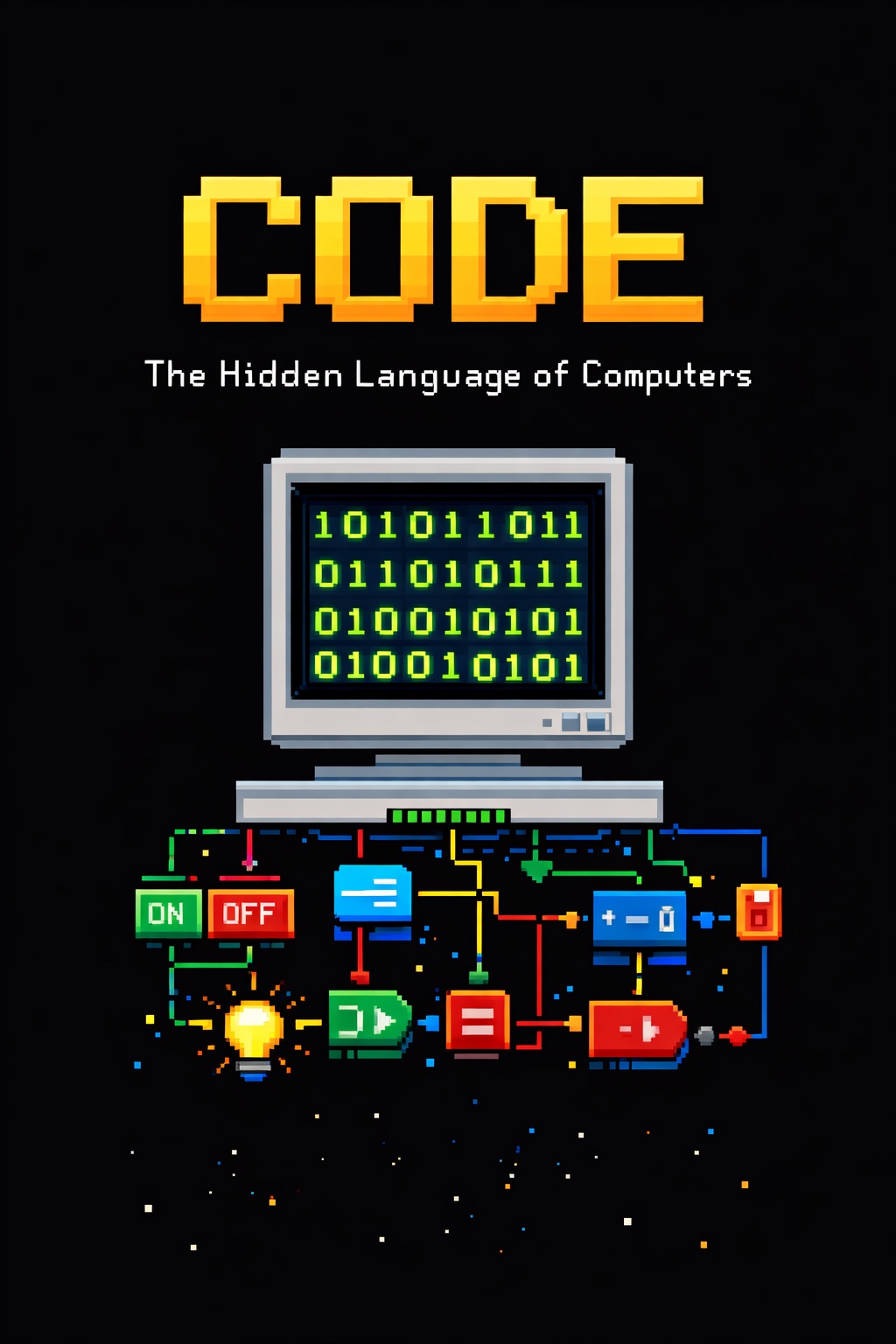
I have spent years working with machines. Writing code. Debugging systems. Building abstractions upon abstractions. And through all of it, I carried an assumption: that somewhere beneath my feet lay incomprehensible complexity, circuits speaking in tongues I would never fully understand.
Then I read Code.
Charles Petzold wrote this book in 1999. The idea came to him twelve years earlier, while writing a column for PC Magazine. He wanted to answer a question that most technical books ignore: not how to use computers, but how they work. From the bottom. From nothing.
Beginning with Light
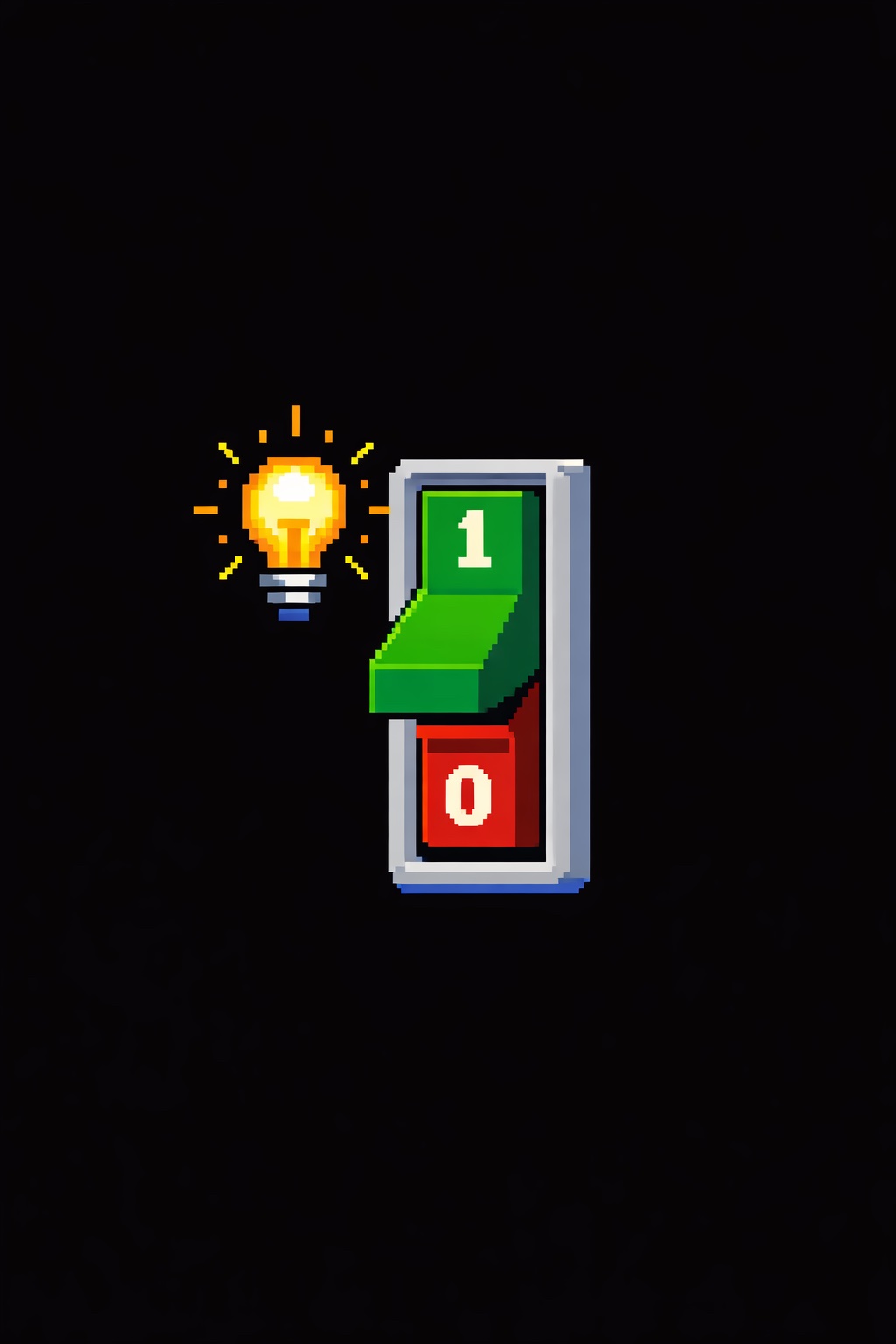
Petzold starts with a flashlight. Not a CPU. Not a programming language. A flashlight.
Two children want to communicate after dark. They develop a code: flashes of light in patterns. From this simple premise, Petzold introduces Morse code, then Braille. The reader begins to see a pattern emerging. Codes are everywhere. They predate electricity, predate computers.
This is the genius of the book. It refuses to begin where most technical education begins. Instead, it asks: what did humans already understand about encoding information before we built machines to do it for us?
The answer is: quite a lot.
From Telegraph to Transistor
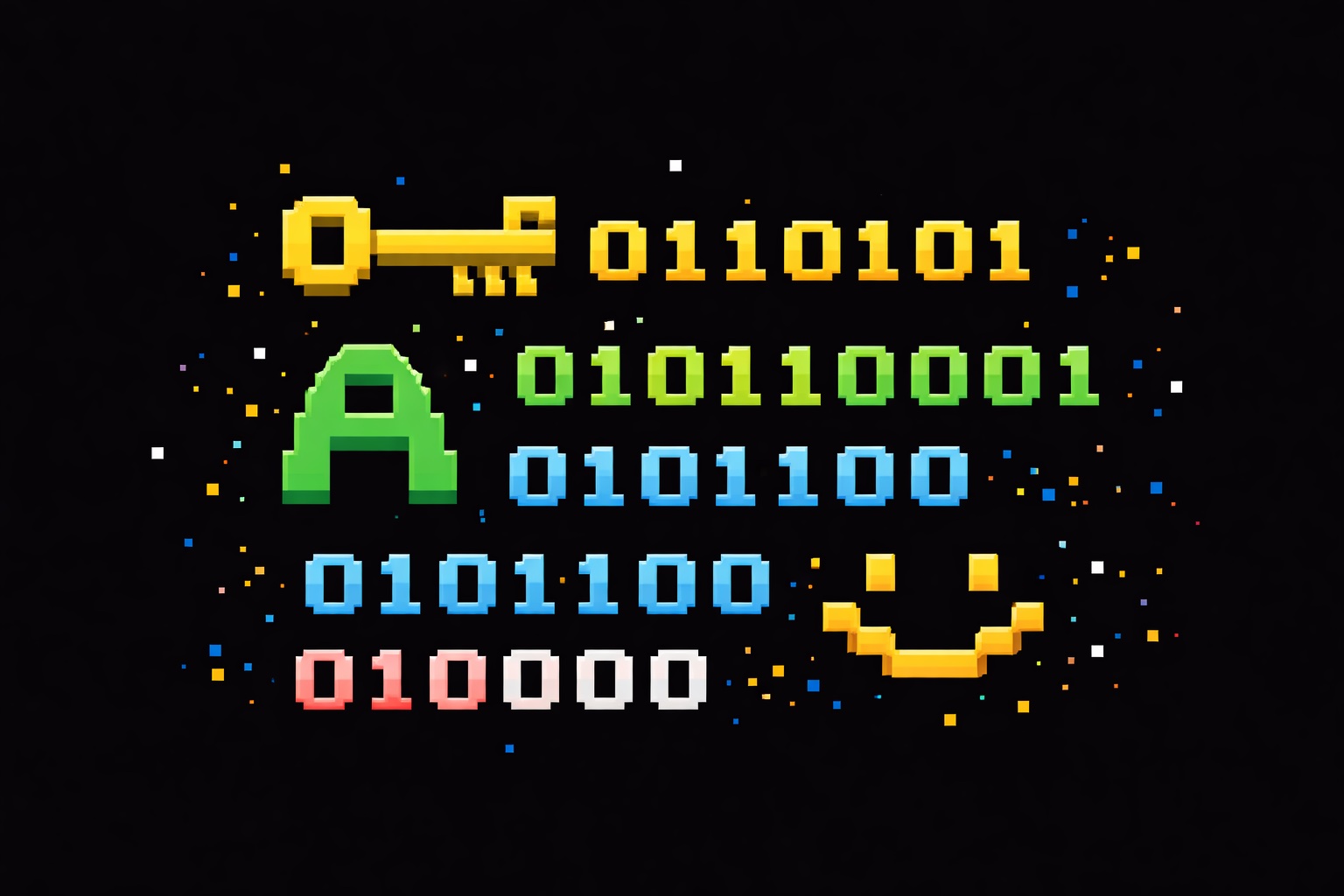
The electrical telegraph is the first machine Petzold examines in depth. Wires carrying pulses. Relays amplifying signals across distances. Here is the ancestor of modern computing, stripped of all complexity.
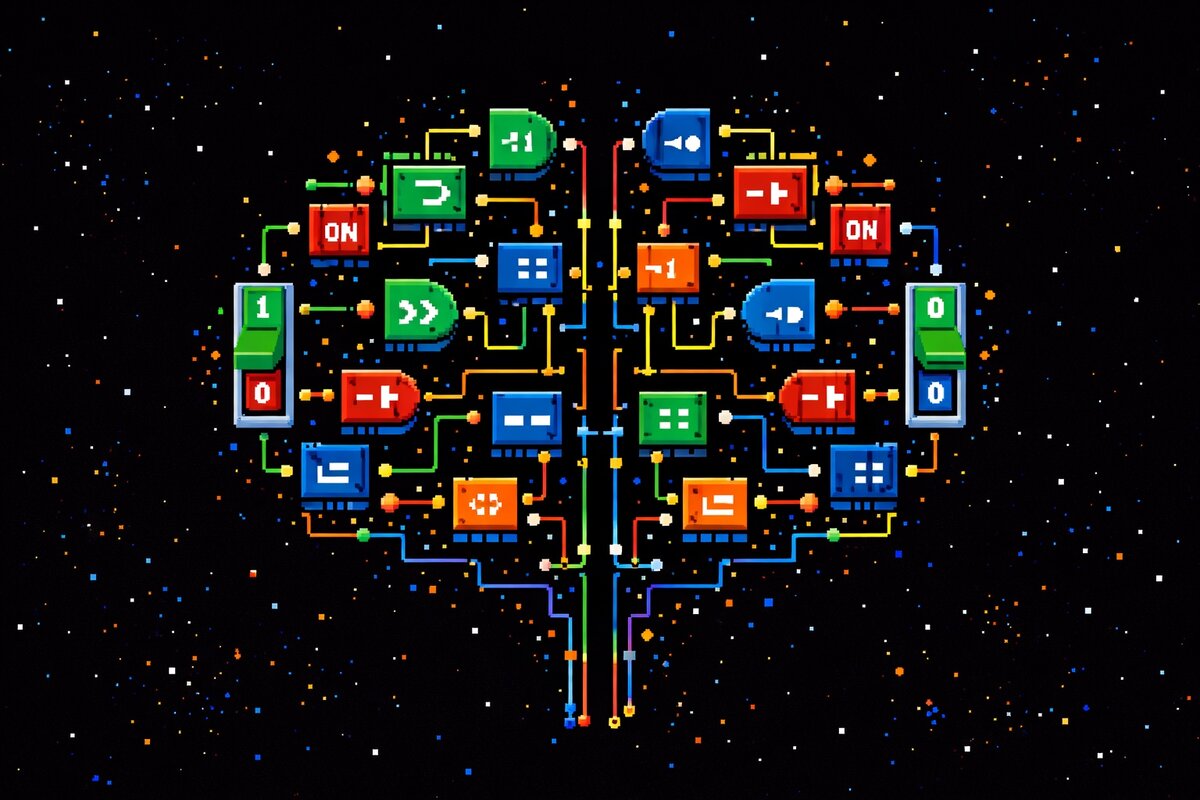
A relay is a switch controlled by electricity. That is all. But relays can control other relays. And from this fact, you can build logic gates: AND, OR, NOT. From logic gates, you can build circuits that add numbers. From those circuits, you can build memory. From memory and arithmetic, you can build a processor.
The progression feels inevitable. Petzold writes with the patience of a craftsman who knows his materials. He shows how vacuum tubes replaced relays, how transistors replaced vacuum tubes, how integrated circuits packed millions of transistors onto chips the size of a fingernail. But the logic remains the same. The foundations hold.
The Abstraction Ladder
This is what struck me most: the layers of abstraction are not arbitrary. Each layer exists because humans needed to solve a specific problem. Binary exists because switches have two states: on and off. Hexadecimal exists because humans cannot read long strings of ones and zeros. Assembly language exists because machine code is tedious. High-level languages exist because assembly is tedious.
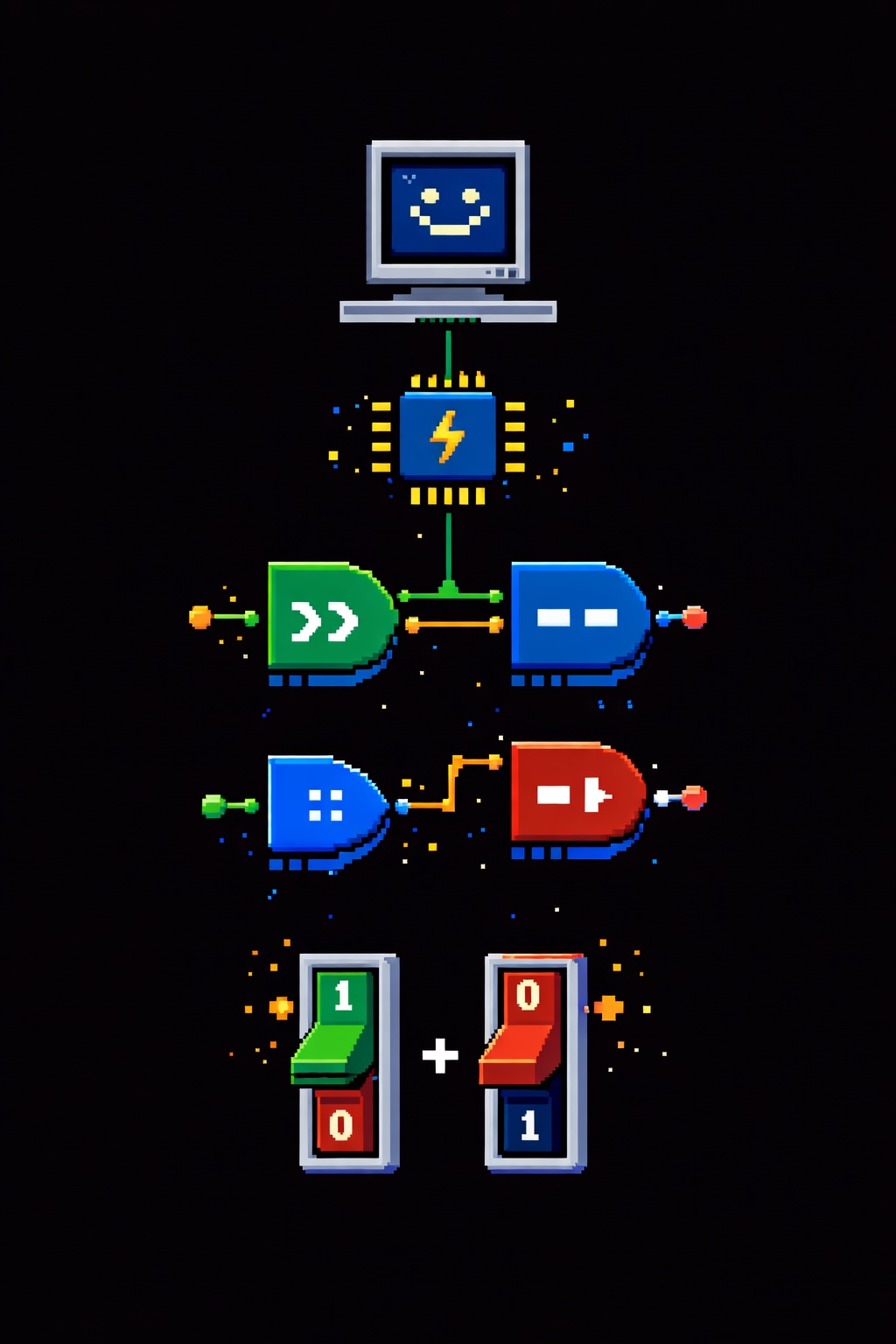
Each abstraction trades something for something else. You gain expressiveness. You lose control. You gain speed of development. You lose knowledge of what the machine is doing.
Petzold helps you descend the ladder, rung by rung, until you stand on solid ground. And once you stand there, you realize that the abstraction you work in daily is not magic. It is engineering. It is choices made by people who came before, each decision building on the last.
Dead Ends and Detours
The book is honest about the history. Brilliant engineers pursued mechanical computers for decades before electronic alternatives won. Decimal computing made intuitive sense but binary proved more practical. The von Neumann architecture emerged not from pure theory but from the constraints of building actual machines.
I find comfort in these dead ends. They remind me that progress is not a straight line. The "right" answer often becomes obvious only in hindsight. What matters is the willingness to build, test, and revise.
Why This Book Matters Now
We are living through another revolution. AI models generate code. Agents orchestrate systems. The layers of abstraction grow taller, the foundations more distant.
And yet the foundations remain. The ones and zeros. The logic gates. The fetch-decode-execute cycle. Understanding these does not make you a better prompt engineer in any direct sense. But it changes how you see the tools you use. You stop treating them as oracles and start treating them as machines. Machines built by people. Machines you can, in principle, understand.
Petzold wrote in an interview that his main hope was to give readers "a really good feeling for what a bit is, and how bits are combined to convey information." He succeeded. After reading Code, you will never think about computers the same way.
The Book as Object
The second edition, published in 2022, updates the material and adds an interactive companion website. Petzold built it himself. You can simulate the circuits from the book, watch signals propagate, build your own logic gates. It is a generous addition from an author who clearly loves teaching.
Jeff Atwood, founder of Stack Overflow, called Code "a love letter to the computer." That phrase captures something true. This is not a textbook written to satisfy a curriculum. It is a book written by someone who wanted others to share his wonder.
| Detail | |
|---|---|
| Author | Charles Petzold |
| First Published | 1999 |
| Second Edition | 2022 |
| Pages | ~400 |
| Companion Site | codehiddenlanguage.com |
Final Thoughts
⭐ 4.5/5
Not everyone needs to know how transistors work. But if you build software, if you work with AI, if you spend your days in abstraction, there is value in understanding the ground beneath your feet. Code provides that understanding. It is patient, clear, and genuinely enjoyable.
The book changed how I think about the machines I use every day. It may do the same for you.
Related Reading
For more on technology, AI, and computing fundamentals:
- Genius Makers: The Mavericks Who Brought AI to Google, Facebook, and the World - The people and competition shaping modern AI
- The DevOps Handbook - Building reliable systems on computing foundations
- Antifragile: Things That Gain From Disorder - Understanding resilient systems
This post contains affiliate links. Purchases made through these links support this site at no extra cost to you.