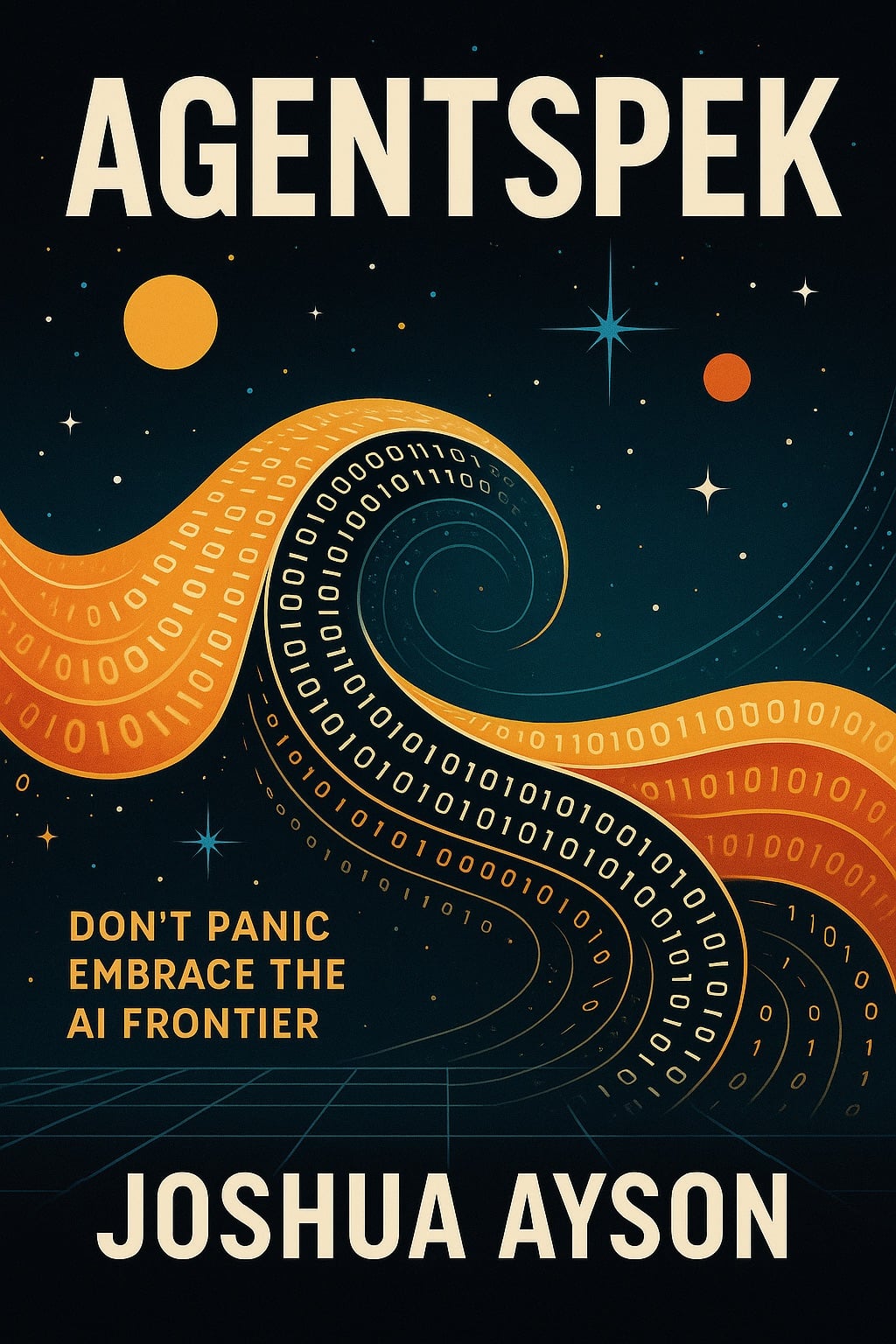
AgentSpek
A Beginner's Companion to the AI Frontier
Don't panic — just code with AI. A travel-size companion for anyone curious about stepping into the world of AI-assisted coding. Field notes from the edge of the AI frontier.
Available Chapters
Don't panic — just code with AI. A travel-size companion for anyone curious about stepping into the world of AI-assisted coding. Field notes from the edge of the AI frontier.
Chapter 1: Awakening to the AI Frontier
I opened seventeen browser tabs, each one a different AI coding tool promising to revolutionize development. This wasn't about money: it was about the overwhelming paradox of choice in a landscape that changes daily.
Core Themes: Time compression, abstraction revolution, explorer's mindset, becoming conductors of intelligence

Chapter 2: The Economics of Intelligence
How do you measure the ROI of a tool that makes your team think better? This isn't about faster compilers or better CI/CD pipelines: it's about cognitive amplification that has strange, non-linear returns.
Core Themes: Cognitive amplification, measuring AI value, human factors, tool selection, augmented development, economics of inevitability
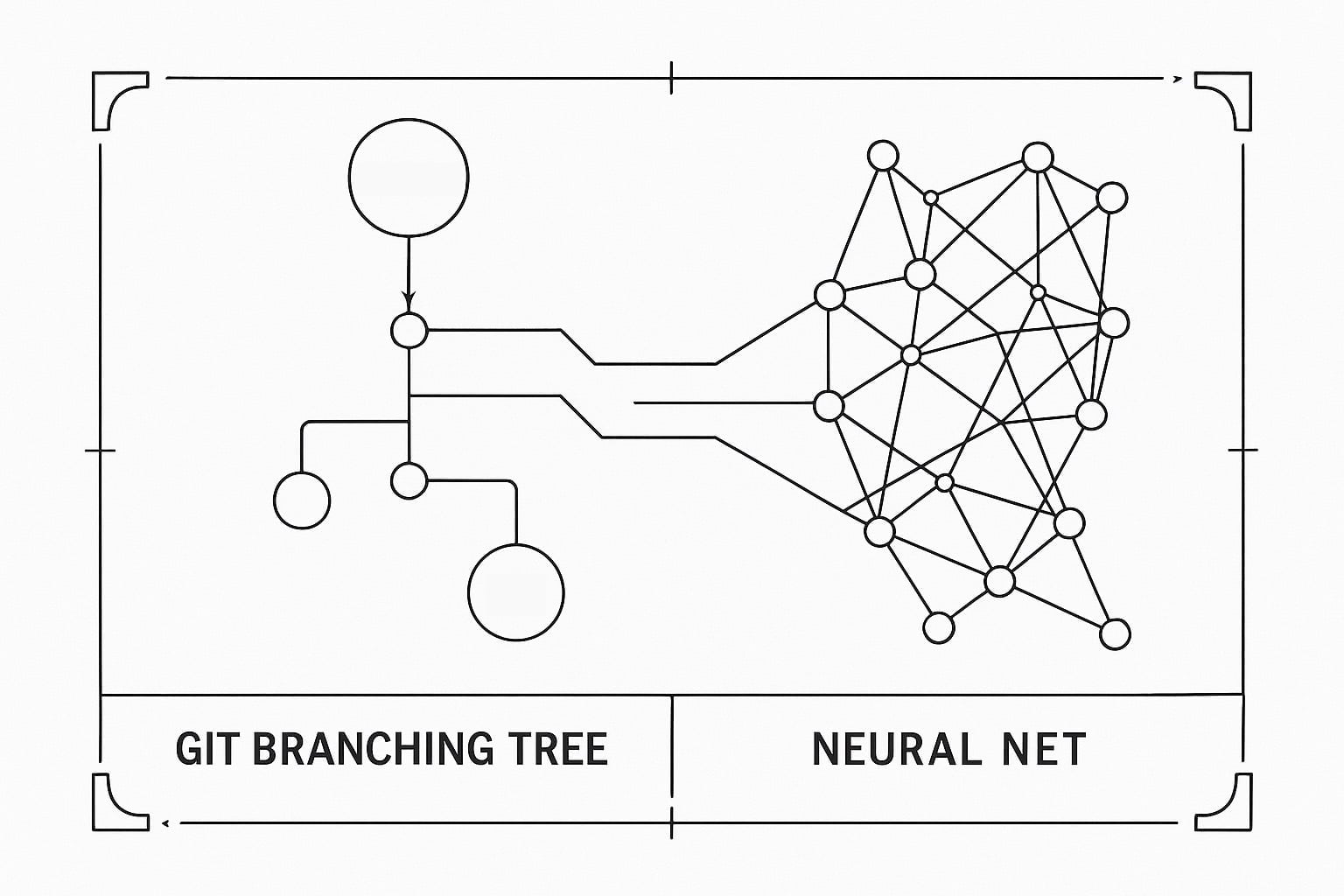
Chapter 3: Git for the Agentic Age
This commit message tells a story that would have been impossible five years ago. A record of human-AI collaboration that produced something neither could have created alone. Git was built for human-paced development, but AI changes all of these assumptions.
Core Themes: Semantic history, branch strategies, honest attribution, CI/CD evolution, collaborative commits, distributed intelligence
Chapter 4: Agent Mode (The Way That Works)
I don't think in fragments. I don't think in lines. I think in systems. In architectures. In complete solutions to complete problems. So I stopped fighting autocomplete and found what actually works: agent mode.
Core Themes: Agent mode vs autocomplete, architectural thinking, Claude Sonnet workflows, VS Code review environment, unattended containers, delegation trust, systems-level development
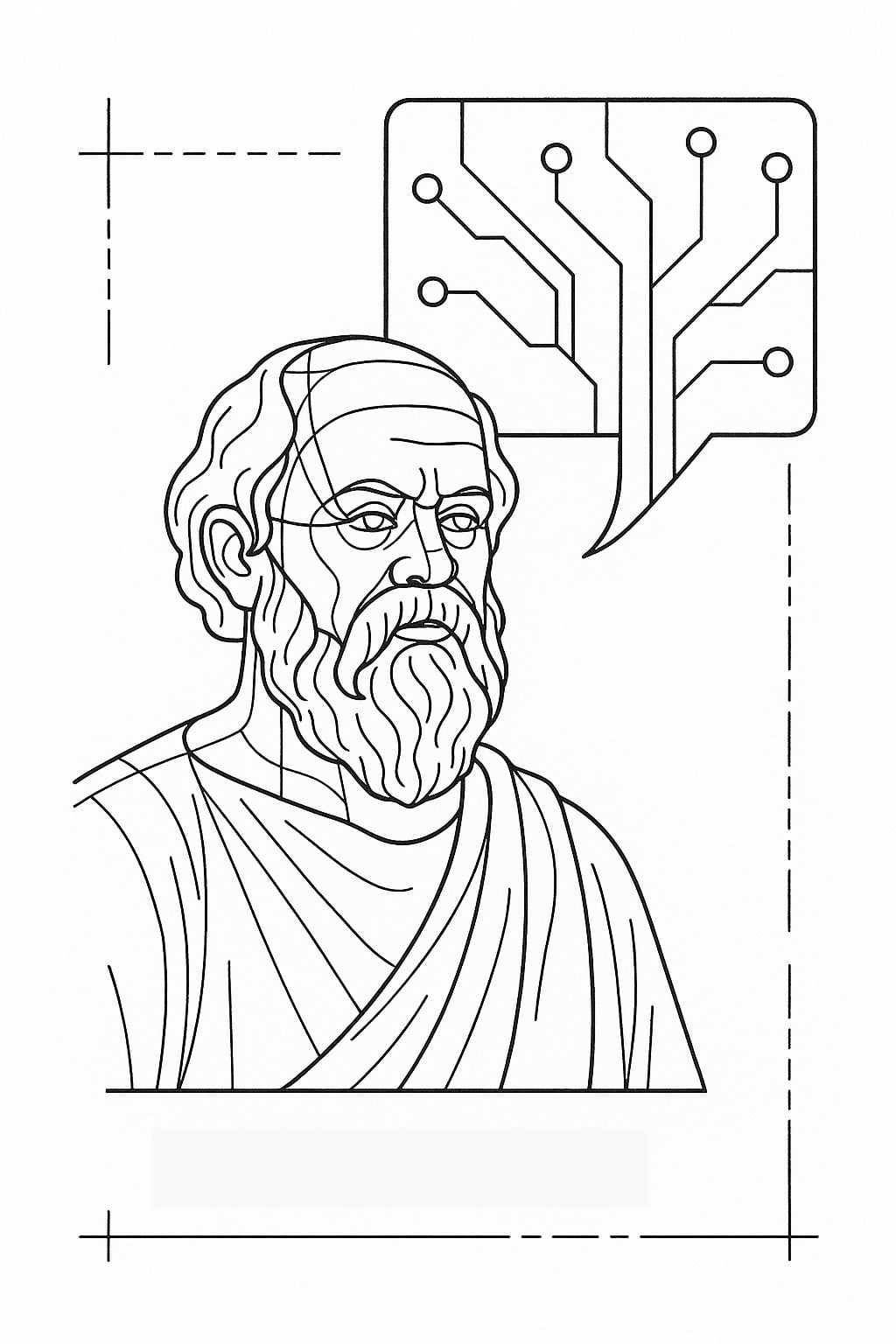
Chapter 5: The Socratic Partner (Conversational Mode)
There's a particular kind of clarity that emerges from conversation. Not the false clarity of a quick answer or a copied solution, but the deep understanding that comes from having your assumptions questioned, your blind spots illuminated, your half-formed thoughts given shape.
Core Themes: Socratic method, conversational AI, problem exploration, architecture discussions, context building, teaching through correction, understanding over implementation, multi-model intelligence
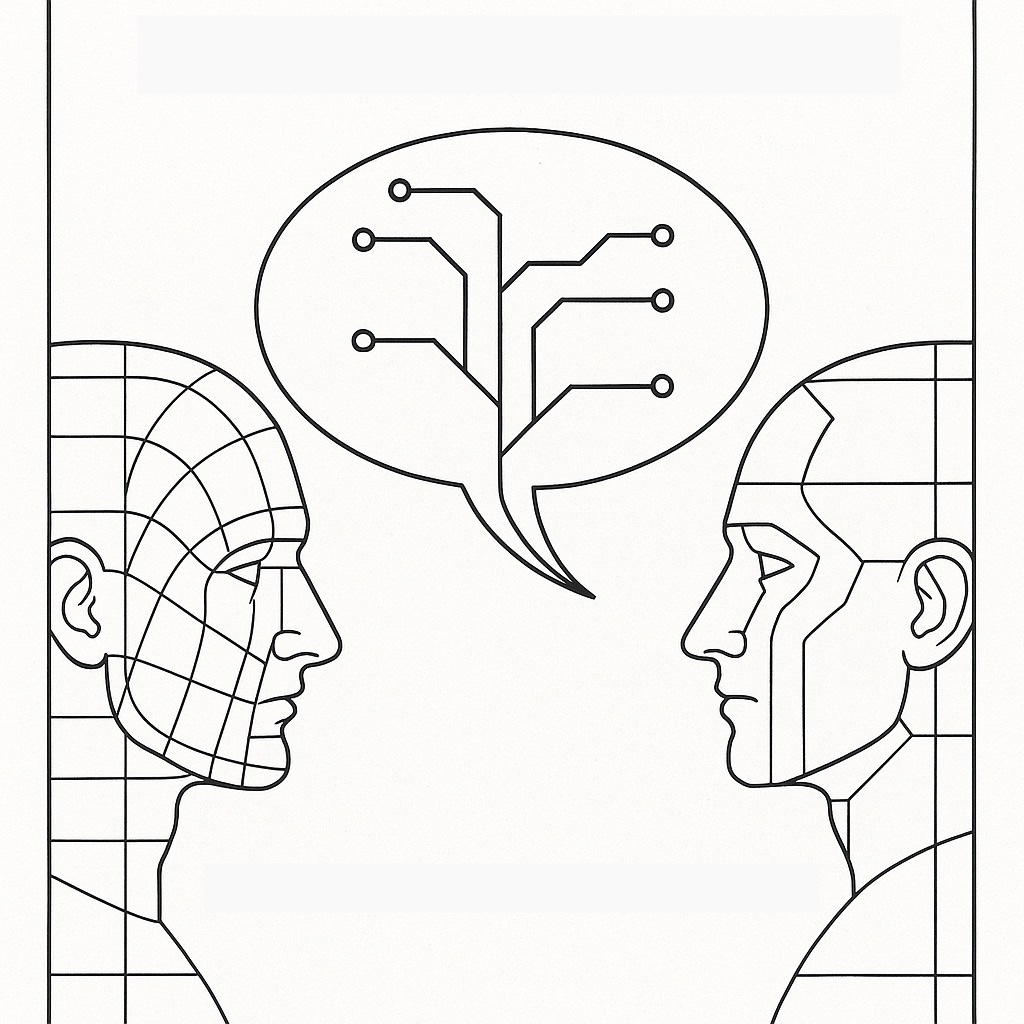
Chapter 6: The Delegated Mind (Agent Mode)
There's a moment when you realize you're no longer programming computers. You're programming intelligence itself. Not through code but through clear expression of intent. Not through syntax but through structured thought.
Core Themes: Agent mode, specification-driven development, delegation patterns, CLAUDE.md specifications, infrastructure as code, clear intent, constraint optimization, mission command principles

Chapter 7: The Unleashed Intelligence (Autonomous Mode)
There's something profound about waking up to work that was done while you slept. Not just done, but done with a thoroughness that makes you question your own approach to problem-solving.
Core Themes: Autonomous AI development, letting go vs. control, trust as architecture, observability systems, intervention thresholds, circuit breakers, overnight automation, cost management, Docker isolation, rollback strategies

Chapter 8: The Development Loop Reimagined
There's a moment when time stops making sense. When the normal relationship between effort and output breaks down completely.
Core Themes: Development loop transformation, temporal paradox, spiraling iteration, context as living memory, three-strike philosophy, cognitive load distribution, morning rituals, parallel exploration, semantic refactoring, documentation-first debugging

Chapter 9: Quality in the Age of Generation
The code was AI-generated. Beautifully elegant. It had sailed through review, passed all tests. And it had a subtle flaw that only manifested when two processes collided in production. The quality paradox: code can be technically perfect and still fail in ways you never imagined.
Core Themes: Quality paradox, AI failure modes, assumption testing, semantic correctness, intent verification, decision archaeology, dialogue-based quality, semantic standards, trust equation, alignment over perfection
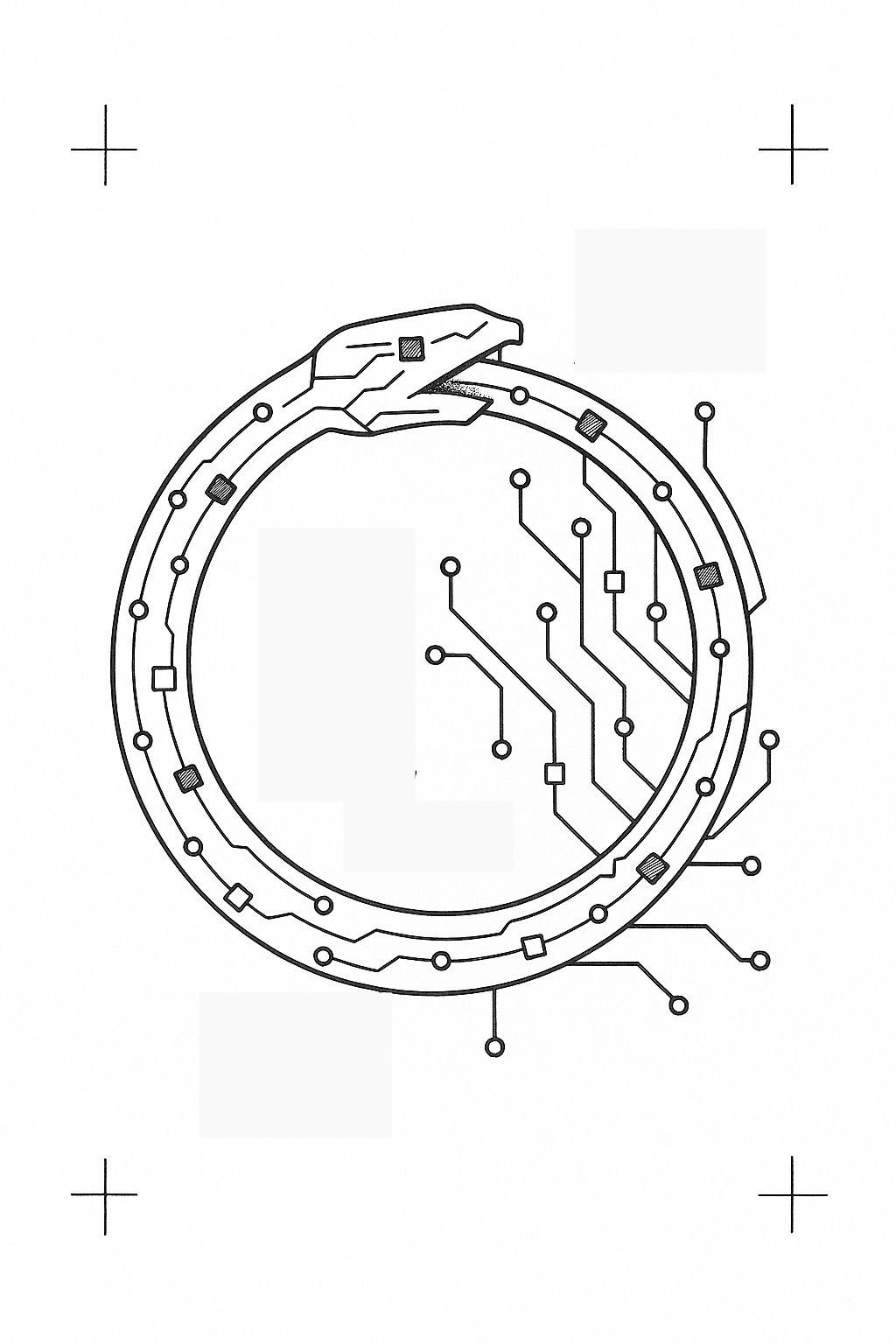
Chapter 10: The Orchestra of Minds
There's a moment when you realize you're not just using AI anymore. You're conducting an orchestra of intelligences, each with its own voice, its own strengths, its own way of seeing the world.
Core Themes: Multi-model coordination, AI personalities, cognitive handoffs, context bridges, intelligence routing, model selection, AI orchestration, emergent capabilities, cognitive topology, specialized models

Chapter 11: The Social Machine
When you have unlimited patience from your AI teammate, you grow more patient with your human teammates. When you can iterate rapidly on ideas with AI assistance, you become less precious about any particular approach with humans.
Core Themes: Human-AI collaboration, team dynamics, professional identity, mentorship paradox, cultural evolution, async advantage, empathy with AI, vulnerability, social transformation, future of teamwork
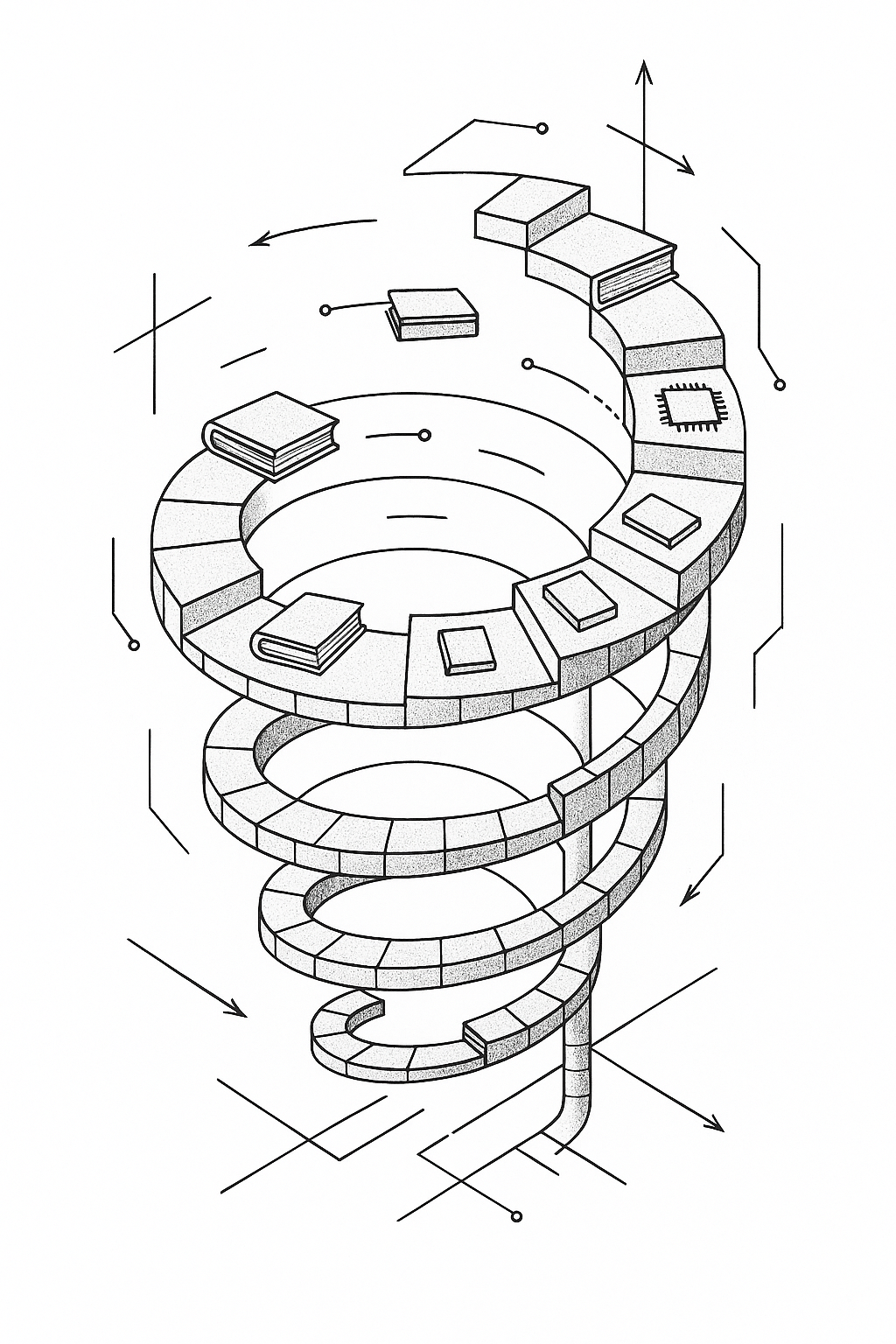
Chapter 12: The Knowledge Spiral
Working with AI doesn't just teach you new things. It reveals how much of what you 'know' is shallow, contextual, or simply wrong. And it happens at a pace that's psychologically disorienting.
Core Themes: Knowledge transformation, unlearning acceleration, metacognitive mirror, distributed expertise, collaborative knowledge creation, infinite information paradox, temporal learning collapse, question-answer inversion, empathetic algorithm, meta-learning, wisdom paradox

Chapter 13: The Value Equation
There's a moment when you realize you're not paying for tools anymore. You're paying for time. More specifically, you're paying to buy yourself back.
Core Themes: Economic transformation, scarcity inversion, capability debt, time arbitrage, professional identity, leverage ladder, investment framework, compound learning returns, risk-reward recalibration, personal economics revolution
AgentSpek
A Beginner’s Companion to the AI Frontier
Don’t panic — just code with AI
AgentSpek is a travel-size companion for anyone curious about what it’s really like to step into the world of AI-assisted coding. Drawing from personal experiences with tools like VS Code and Claude, this book blends stories, lessons, and practical prompts into a guide you can actually carry on vacation, read on a plane, or flip open between coffee breaks.
Think of it as field notes from the edge of the AI frontier — part memoir, part beginner’s guide, part workbook.
About This Book
We’re not just getting new tools, we’re becoming something new. This book follows a journey from overwhelmed developer to conductor of intelligence, exploring what it means to collaborate with AI rather than just use it.
The Journey:
- Part I: Orientation (Ch 1-3) - The call to adventure: git for the agentic age, economics of intelligence
- Part II: Spectrum (Ch 4-7) - Four modes of AI collaboration from autocomplete to autonomous
- Part III: Practice (Ch 8-10) - Reimagining development loops, quality, and orchestrating multiple AI models
- Part IV: Edges (Ch 11-13) - Social machines, knowledge spirals, and the value equation
- Part V: Philosophy (Ch 14-16) - Weight of creation, the great unleashing, and becoming
- Part VI: Horizon (Ch 17-18) - Community and your agentic journey
What Makes AgentSpek Different
- 🎒 Travel-Size Companion: ~250 pages, readable on vacation
- 📖 Story-Driven: Personal experiences, not dry technical manual
- 🎨 Illustrated: Each chapter with custom artwork
- 🤝 AI-Collaborative: Written with AI, about working with AI
- 🌟 Beginner-Friendly: No prerequisites, just curiosity
Who This Book Is For
- Complete Beginners wondering what AI coding looks like
- Seasoned Engineers dipping a toe into AI tools
- Curious Developers ready to explore human+AI collaboration
- Anyone interested in the future of creative work with machines
© 2025 Joshua Ayson. All rights reserved. Published by Organic Arts LLC.
AgentSpek and all related content are protected by copyright. Unauthorized reproduction or distribution is prohibited.