The Dragons of Eden by Carl Sagan
Sagan's Pulitzer book on how intelligence evolved, from the triune brain to why so many cultures tell stories about dragons. Dry in places, and its warning about AI reads differently now.
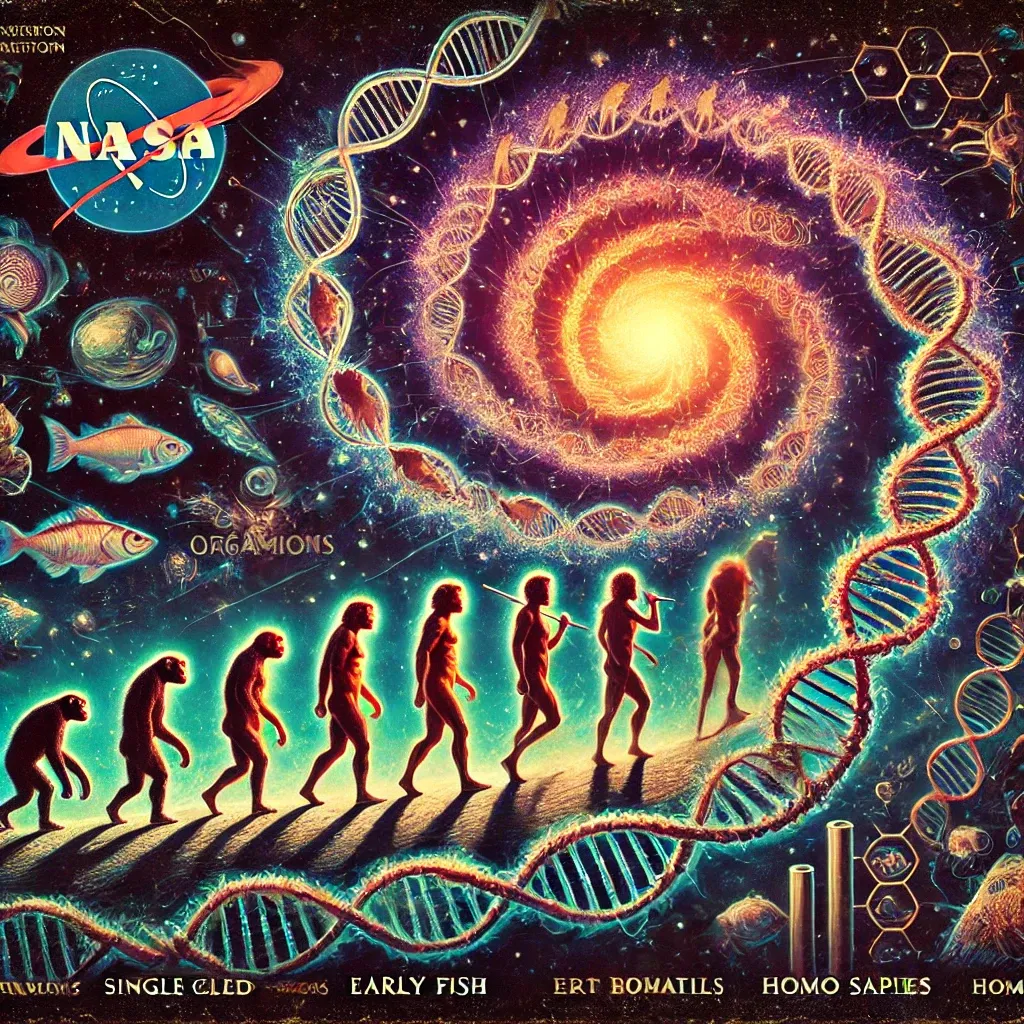
Carl Sagan won the Pulitzer for this one in 1978, the year after it came out, and I went in expecting a hard science book about brains. It is that, but it wanders further than I thought it would, into evolution, mythology, and a few guesses about where intelligence goes from here. Sagan is the reason the wandering works. The material gets academic and dry in places, and there were stretches I skimmed, but every time it threatened to read like a textbook he would turn a sentence and remind me he was a writer first. I also liked how openly he disagreed with other people's ideas. He says when he is skeptical and he says why, and he does not pretend the science is more settled than it is.
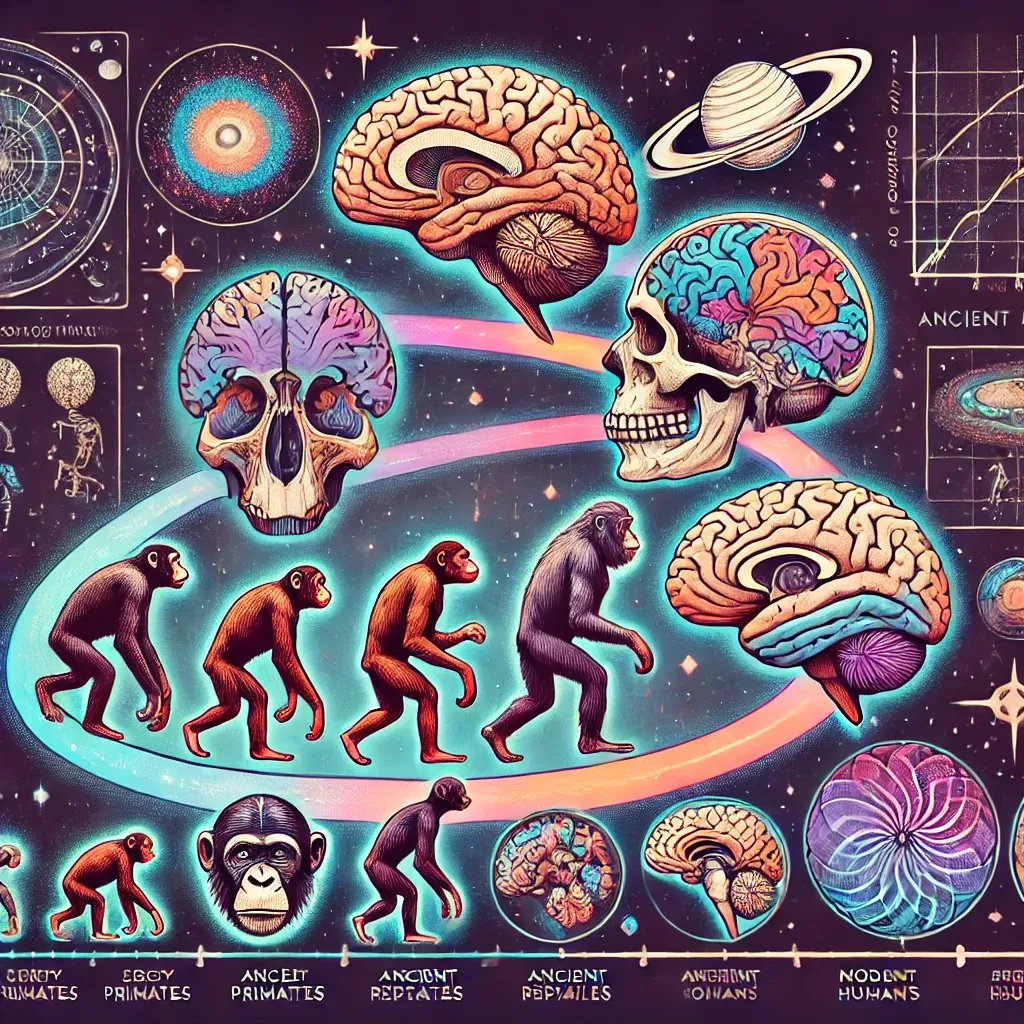
It is short, which is part of why I finished it. The central claim is simple enough to state: intelligence is a product of evolution, built up over millions of years by natural selection rather than handed to us all at once.
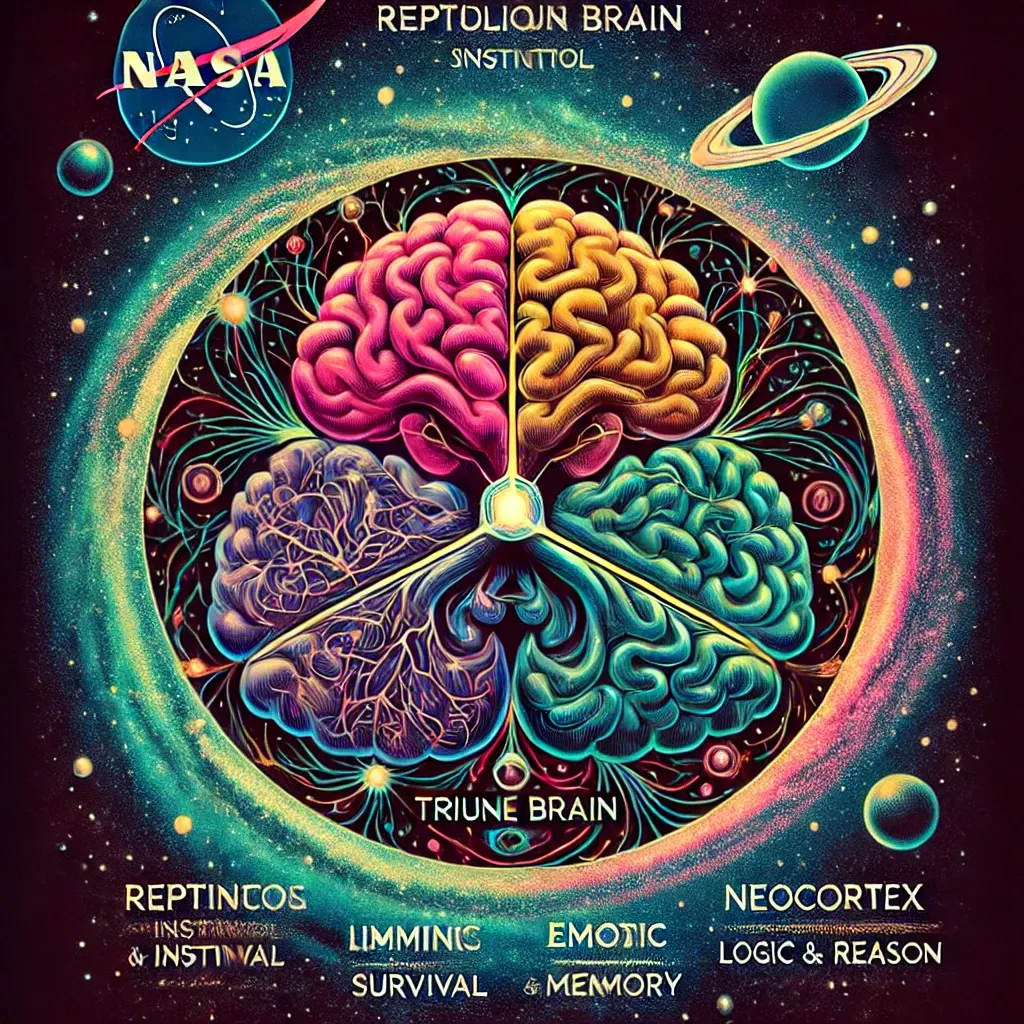
The idea that stuck with me most is the one Sagan borrows from Paul MacLean, the triune brain. The notion is that the brain grew in layers: an old reptilian core that handles instinct and survival, a limbic system around it for emotion and social bonds, and the neocortex on top for language, reasoning, and whatever we mean by creativity. Neuroscience has poked holes in the model since, and Sagan would probably be the first to update it, but as a way to picture why we are pulled in different directions at once, it still does the job for me.
From there he argues intelligence did not grow only to keep us alive. It paid off in social complexity, in communication, in the ability to change our surroundings instead of just enduring them. He ties this to storytelling and abstract thought, which I found convincing, because it puts language in the same lineage as toolmaking instead of treating it as a separate gift.
The part I did not expect to enjoy was the mythology. Sagan asks why so many cultures, with no contact between them, tell stories about dragons and serpents. His guess is that our primate ancestors carried a deep fear of snakes and predators, and that fear worked its way into the myths long before anyone wrote them down. It is the kind of connection between brain and story that you rarely see in a science book, and it is the reason the title is what it is. Either that or aliens really did stop by, riding fire-breathing beasts and carrying syringes full of future-tech DNA. I know which one Sagan would pick.
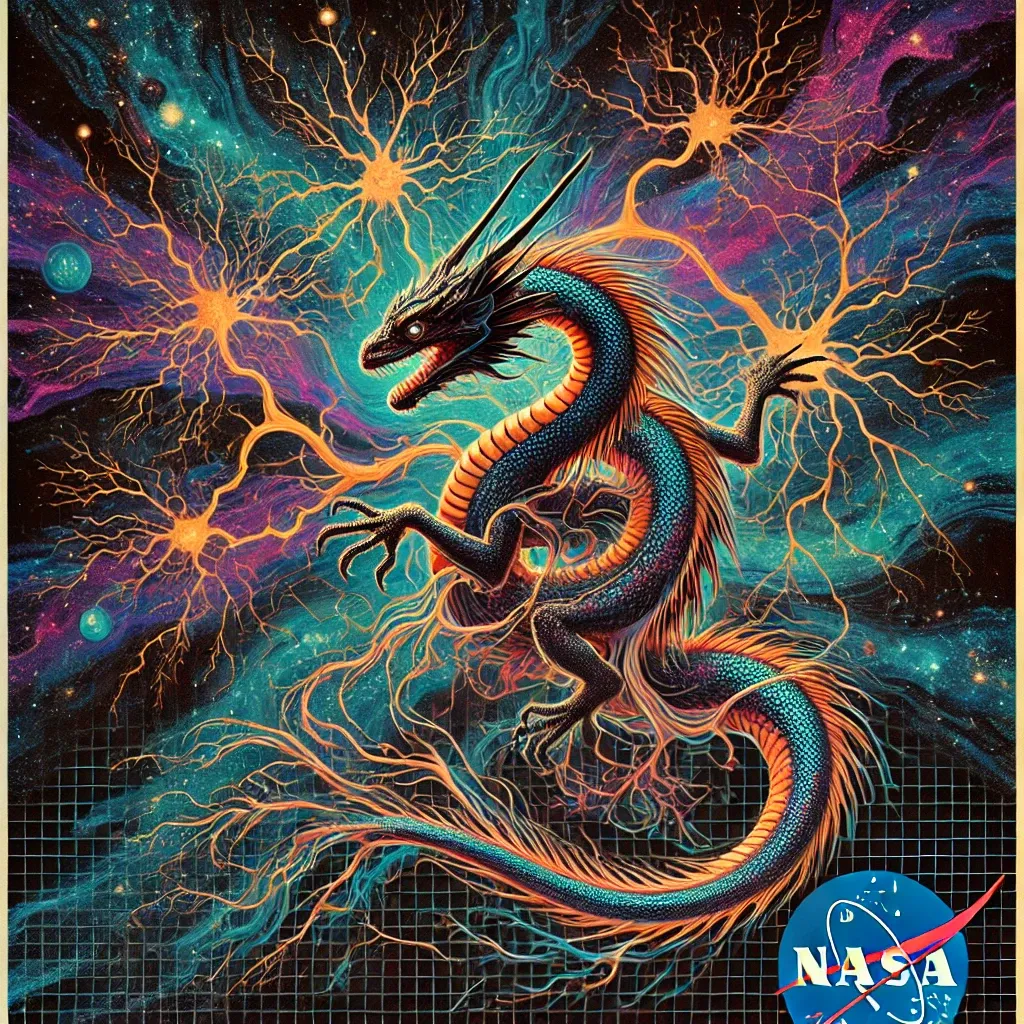
The last stretch is the one that reads differently in 2025 than it must have in 1977. Sagan spends time on artificial intelligence and genetic engineering and warns that the technology will outrun the wisdom to use it unless we are careful. Reading that now, after a couple of years of working alongside these systems myself, it does not feel like a prediction anymore. It feels like a note someone left for us.
Some of the science here has dated, and Sagan would expect it to. That does not bother me much. The questions he is asking about consciousness, about where intelligence came from and what we owe the thing we are building next, have not aged at all. His prose is clear and a little poetic, and it carries the dry parts.
I gave it 4 out of 5. The slow passages cost it the last star, but the questions stayed with me longer than most books do. If you are interested in how the mind got here, it is worth the few evenings it takes.
📖 Buy The Dragons of Eden on Amazon
Evolution & Consciousness
Carl Sagan's exploration of intelligence connects with these reflections on mind and evolution:
- Why Are We Different? A Stream of Consciousness Exploration - On human evolution, myth, and memory
- Cosmic Motion and Human Perspective - Our journey through space and what it means to be 'star people'
- Culture Is the Oldest Information Technology - Sagan's extragenetic and extrasomatic knowledge, followed from genes to culture to machines
- Pink Boots and a Machete by Mireya Mayor - A primatologist's memoir of tracking lemurs in Madagascar, the field side of the primate minds Sagan writes about
This post contains affiliate links. If you purchase through these links, I may earn a small commission at no extra cost to you. Thank you for supporting this blog!