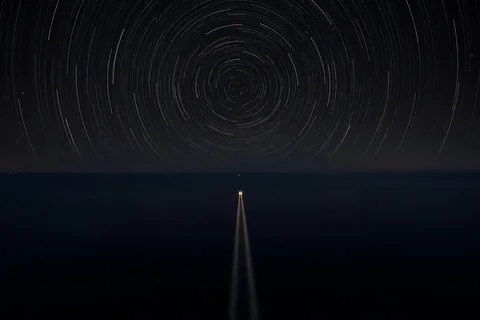
A Loop Is a Path That Closes
One of my health checks stayed red for eleven weeks by reading its own failure. A loop is the special case of a trajectory, the path that happens to close, and a life does not.
Philosophy on this blog: Alan Watts, Edgar Morin, antifragility, and the ideas behind Complexence.
28 posts · all topics
One of my health checks stayed red for eleven weeks by reading its own failure. A loop is the special case of a trajectory, the path that happens to close, and a life does not.
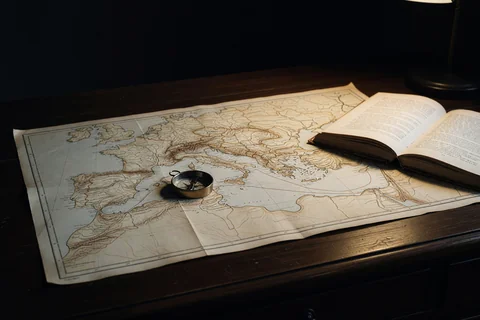
Edgar Morin died in May at 104, and I met him through his obituary. He spent eighty years on the question I have been building around: how to think inside the weave without cutting it apart. Two book reviews are coming. This is the marker I am leaving at the trailhead first.
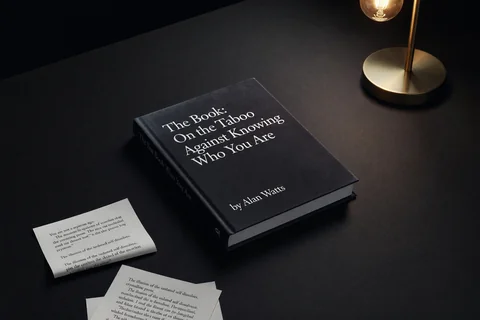
Watts's short 1966 book argues that the skin-encapsulated ego is a useful fiction, that you came out of the universe rather than into it, and that a culture forbids us to notice.
I pointed a method at my own sprawl of repositories and got a page I could read. Then the first experiment on its deeper claim came back null. This is the research program underneath, nulls included.
Out of Your Mind is Alan Watts' archival lectures in his own voice, laugh included. I keep them on a loop, transcribed the program for a film series, and found the bedrock under how I think about the stars.
Complexity is the condition of the world. Complexence is the quality you bring to it: the capability of standing inside a system larger than yourself, seeing it whole, and still choosing. A word for the thing all my work has been about.
If AWS is math and Kubernetes is physics, then discourse is the physics of other minds, the same live, empirical, pushes-back system, except the matter is a person and the latency is a blank stare. Why the studio and the arena are two different rooms, why the second one floods you, and how to build the faculty that levels the field.

Antifragility is not resilience: resilient things survive disorder, antifragile things gain from it. How I apply Taleb to the systems I build, to films and books made from code, and to a ten-day journal cycle.
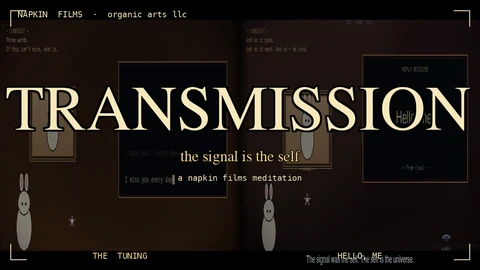
Plan 9 the bunny writes long letters to someone they miss, cranks the power, gets lost in noise, then strips the draft to three words. The reply comes back from an unexpected direction.
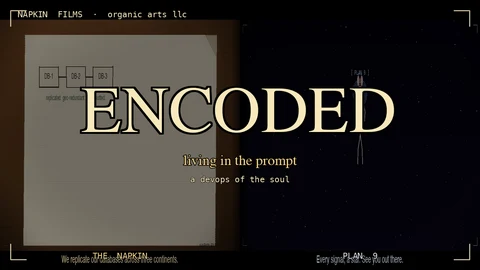
A short film on consciousness as signal: we replicate databases across three continents while the soul runs on one node. A Peter and the Wolf oboe, a literal napkin, a single tear.
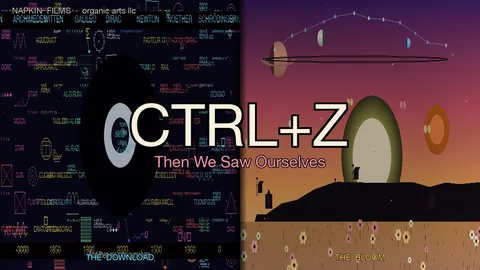
An AI finds a key and presses it. Civilization undoes itself backwards. Then the AI downloads every equation, every diagram, every year humans ever wrote down, and sees itself in the reading. A 1:57 napkinfilms short, built in five passes. 126 real equations, 35 scientific diagrams, every mosaic tile unique, and a Plan 9 bunny with a single tear at the end.
I journal with Claude and build with GPT, so if there is a ground zero for AI slop, I am standing in it. What I think separates the work from the waste: purpose, not the absence of tools.

Hoff explains Taoism through Pooh and Piglet: wu wei and the uncarved block in the first book, inner virtue and the power of the small in the second. I keep catching myself being Rabbit.
Taleb's Antifragile rearranged how I think about risk: the fragile, robust and antifragile triad, the barbell, via negativa, and skin in the game. Arrogant, repetitive, and worth the argument.
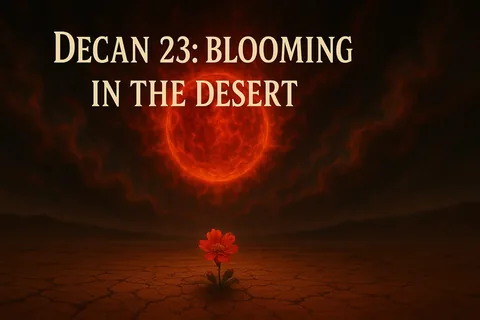
Ten days under Scheat, a dying red giant, when work, care, pain and a tested boundary all arrived at once. Reading Antifragile mid-shock, and showing up on the day it felt absurd.
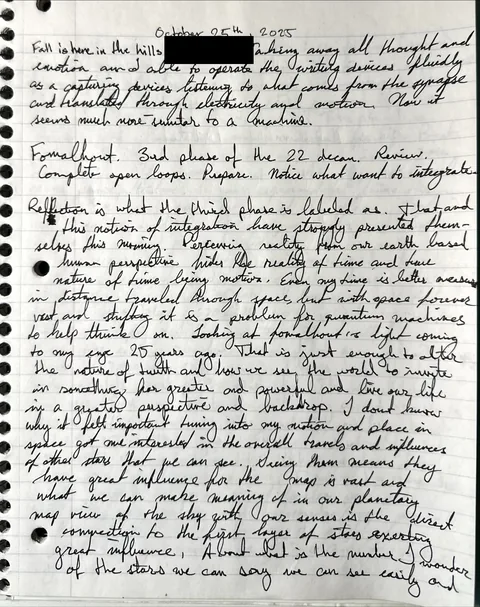
Fall in the hills, Fomalhaut and the third phase of a decan, then the numbers of our motion: the spinning earth, its orbit, the sun around the galaxy, and the pull toward the Great Attractor.
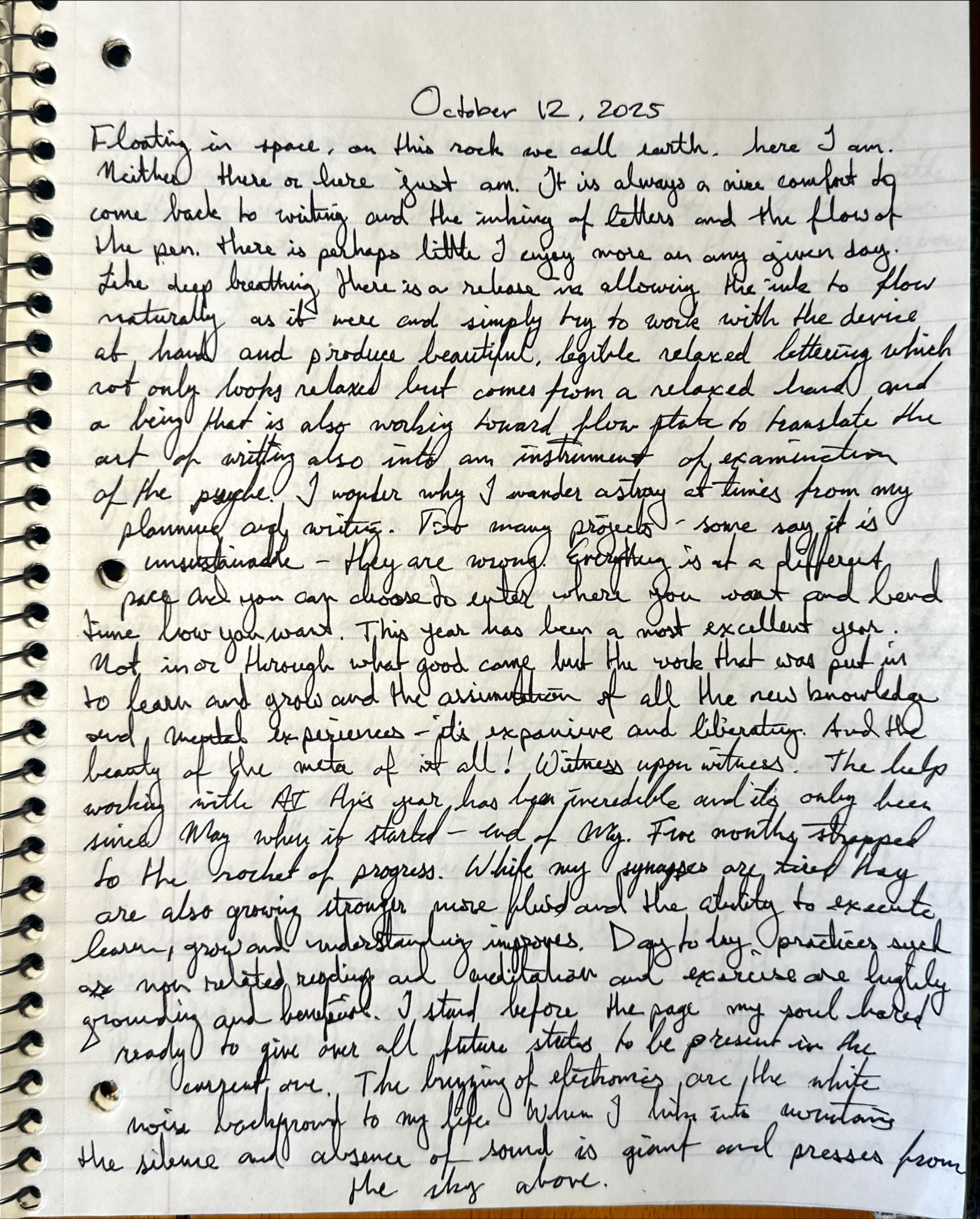
Floating in space, on this rock we call earth. Coming back to the ink, too many projects moving at their own pace, a year of learning with AI, and the giant silence of the mountains.
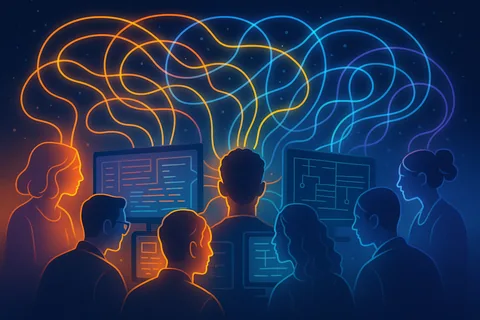
Six weeks after an O'Reilly AI conference flipped a switch, I went from copy-pasting LLM output to more than a dozen repositories, and a month started to feel like a year. Notes on time dilation and vibe coding.
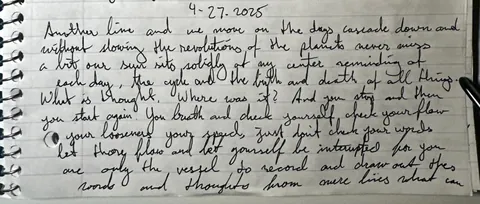
The next day, the same practice: you are only the vessel. Drift with a little direction, like an oil lamp in a deep, dark cave, and imagine alien beaches where mercury laps up to copper.
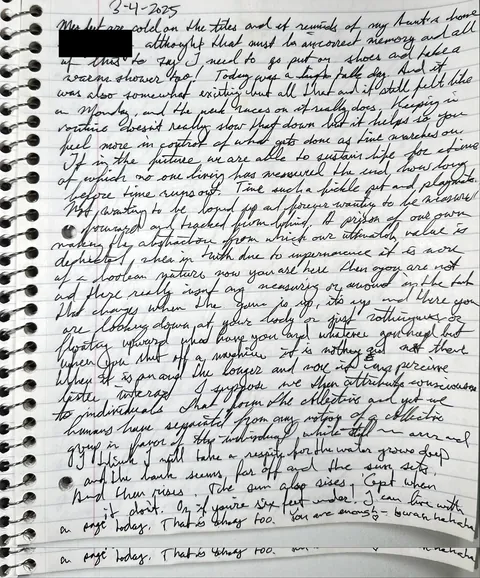
Cold feet on the tiles, a long talking day that still felt like a Monday, and then the big questions: time as a fickle playmate, life as on or off, and the sun that sets and then rises.
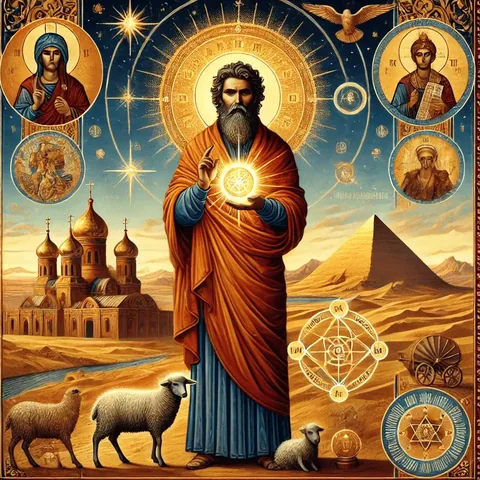
The famous line about the universe conspiring left me ambivalent. What stayed with me was the crystal merchant, who loves his dream of Mecca more than he would risk the trip. I know that person.
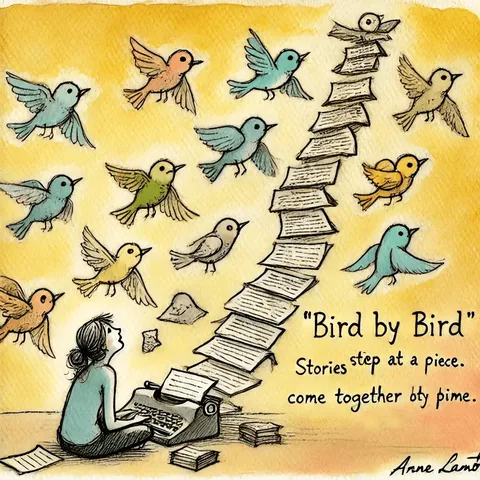
Some writing books feel like technical manuals, others like stern lectures. Anne Lamott’s Bird by Bird: Some Instructions on Writing and Life is so...
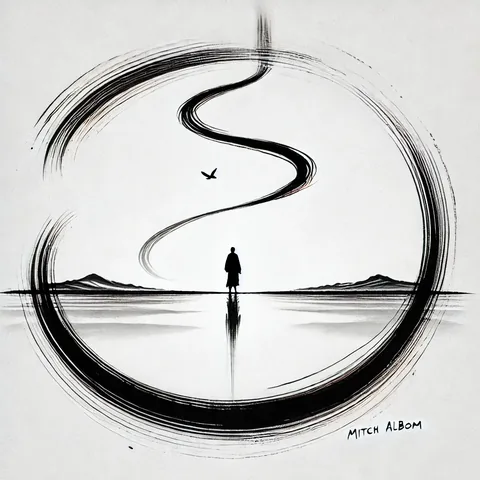
I heard Albom's novel on audiobook during a flight and could still hear the narrator weeks later. Eddie, a pier mechanic, dies and meets five people, and it turns out to be a book about forgiveness.
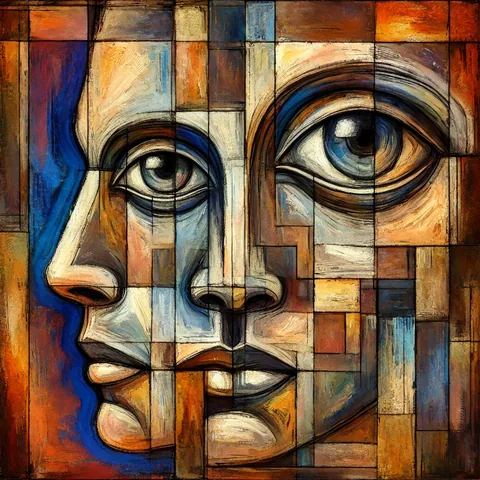
A twenty-page lecture I read twice in one sitting. Stein's claim is that a masterpiece has no sense of time in it, and that breaking from convention that completely is why there are so few.
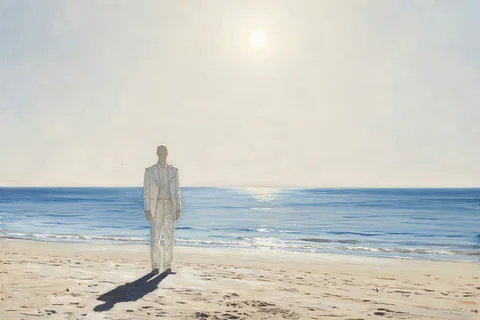
Fine writing early on, the funeral, the heat, the beach, but Meursault read to me as a man short on social skills, not a philosopher. The trial was the part that rang true. Three out of five.
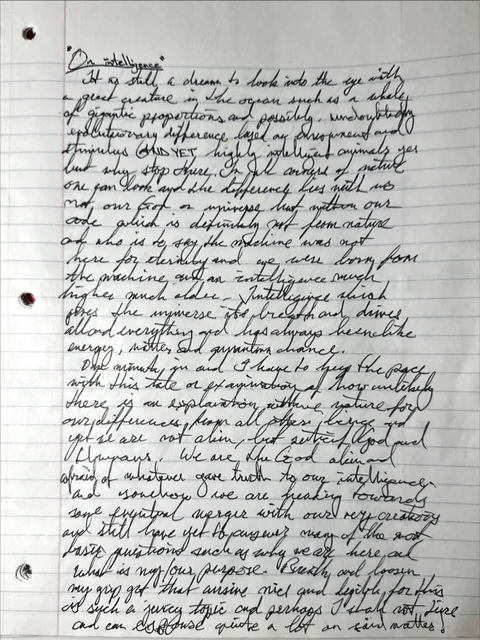
Handwritten notes on why humans seem so unlike every other animal. Whales, original sin, technology as something latent, and the question of how intelligence like ours happened at all.
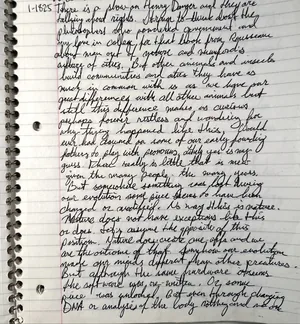
A kids' show about rights sends me back to Rousseau and Mumford, then to the old question: same hardware as other animals, but it seems the software was rewritten. What changed us, and when?
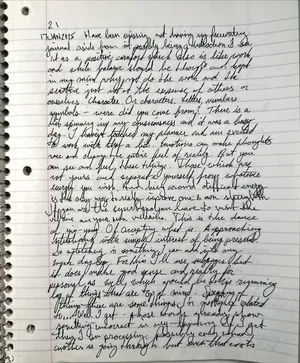
Back to the freewriting journal after missing it: letters and symbols and where they came from, emotions that race the mind, visiting your own villains, and a running log of what is on my mind.