The Man Who Solved the Market: What Jim Simons Actually Built
I read Zuckerman's book on Jim Simons while running my own iron condors. Medallion's edge was thin and executed at scale. My system has so far shown it survives, not that it pays.

Everything worth a proper write-up, read or listened to. Not summaries, not star ratings: an account of what changed when I finished the last page, what the author was doing beneath the surface argument, and what it might mean for someone building things in the real world.
Reading in progress has a shelf of its own: gentler on-ramps to cybernetics, from a cartoon to Ashby.
34 reviews, 5 on audio. Shelved by theme.
The reviews readers and search find most.
Pre ran every race from the front, lost the Munich 5,000 that way, and refused to change. Tom Jordan's biography of Steve Prefontaine, read by someone who runs but does not race.
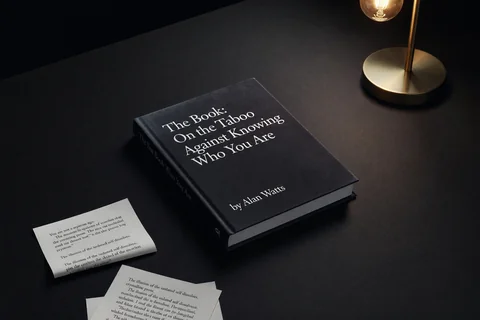
Watts's short 1966 book argues that the skin-encapsulated ego is a useful fiction, that you came out of the universe rather than into it, and that a culture forbids us to notice.
I'm mid-listen on Isaacson's Elon Musk, read by Jeremy Bobb, and I keep hearing Musk's five-step engineering algorithm in my own work. I admire the deletion discipline; the mania has a human cost.
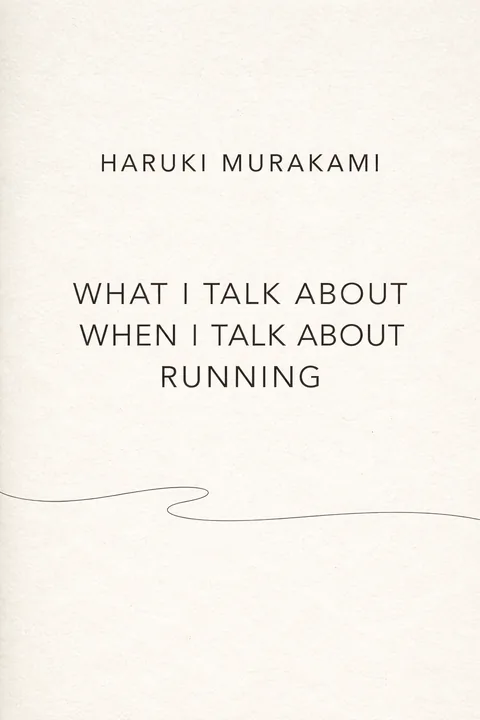
Murakami's memoir treats running and writing as one daily discipline. I read it as a runner on Nevada's open BLM land who also keeps a daily freewriting journal, and it named things I had felt.
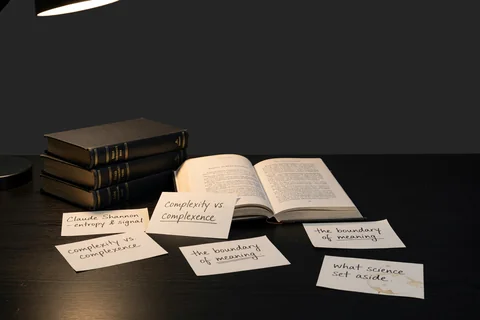
James Gleick's The Information is the clearest history we have of how the world learned to measure the signal. It is also the book that showed me, by drawing the boundary so cleanly, the one thing the science of information set aside on purpose: meaning. This review is the origin story of the work I have been doing since I closed it.
I finished the Masters of Doom audiobook narrated by Wil Wheaton and it was marvelous. The two-founders, build-from-nothing, ship-relentlessly story of id Software stuck with me. I miss it already, the same way I miss Shoe Dog.
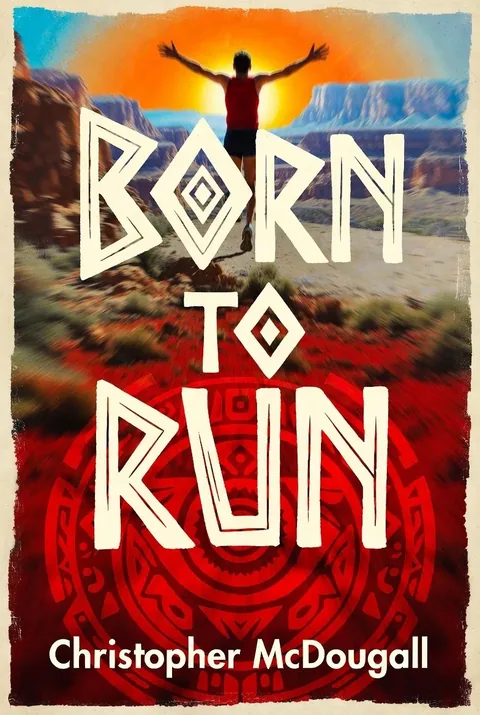
McDougall went to Mexico's Copper Canyons asking why his feet hurt and came back with the Tarahumara, the endurance running hypothesis, and a case against cushioned shoes that fed the barefoot movement.
A twenty-page lecture I read twice in one sitting. Stein's claim is that a masterpiece has no sense of time in it, and that breaking from convention that completely is why there are so few.
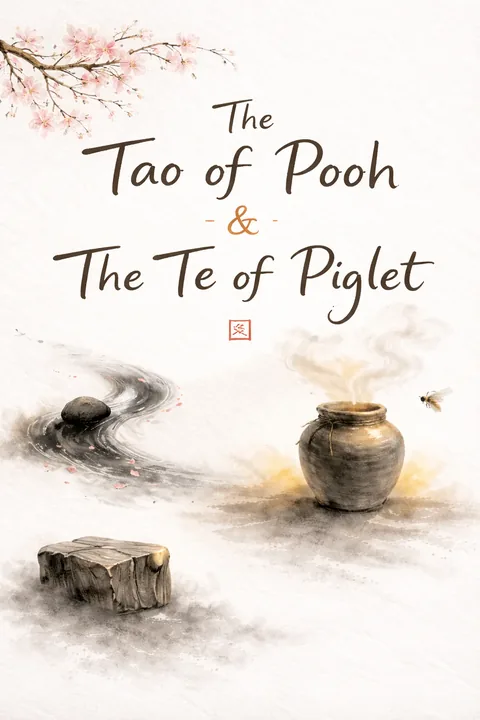
Hoff explains Taoism through Pooh and Piglet: wu wei and the uncarved block in the first book, inner virtue and the power of the small in the second. I keep catching myself being Rabbit.
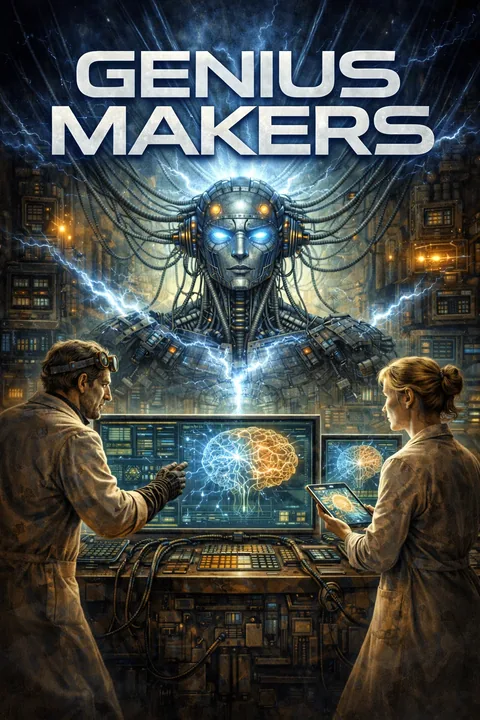
An in-progress read of Cade Metz's Genius Makers (2021): Hinton through the AI winter, the talent war at Google and Facebook, DeepMind's AGI goal. It ends before ChatGPT, and I read it in doses.
Risk, trading, and the people who turned markets into machines.
I read Zuckerman's book on Jim Simons while running my own iron condors. Medallion's edge was thin and executed at scale. My system has so far shown it survives, not that it pays.
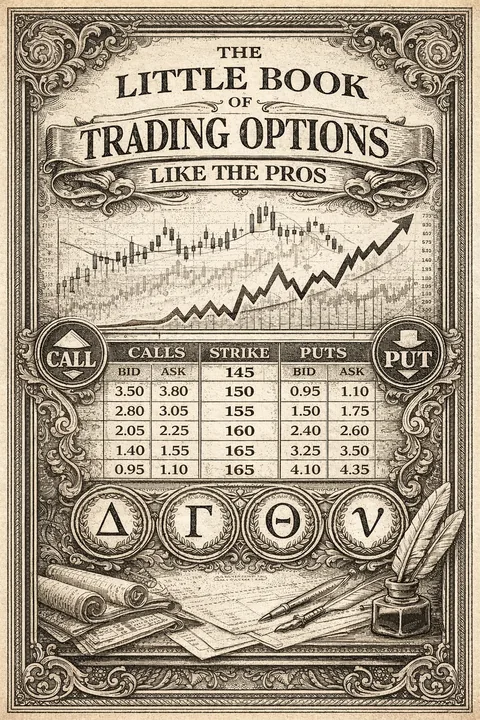
A short Wiley options book I read on planes. It builds from calls and puts to spreads and iron condors, and it treats risk and time decay as seriously as returns. Dry, but a useful reference.
How the machines, and the people obsessed with them, actually got built.
I'm mid-listen on Isaacson's Elon Musk, read by Jeremy Bobb, and I keep hearing Musk's five-step engineering algorithm in my own work. I admire the deletion discipline; the mania has a human cost.
I finished the Masters of Doom audiobook narrated by Wil Wheaton and it was marvelous. The two-founders, build-from-nothing, ship-relentlessly story of id Software stuck with me. I miss it already, the same way I miss Shoe Dog.
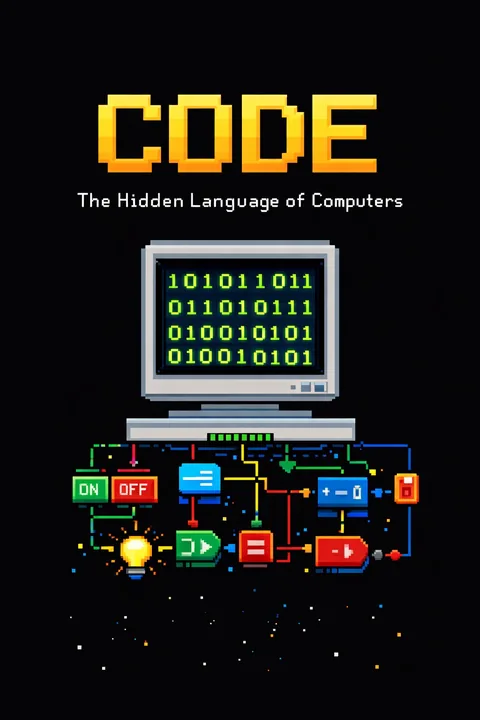
Petzold starts with two kids signaling with flashlights and climbs, relay by relay and gate by gate, to a working processor. It changed how I think about the machines I use every day.
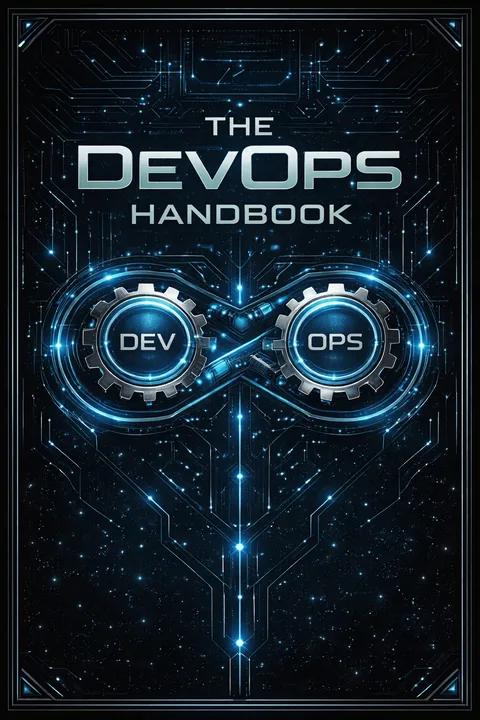
The DevOps Handbook is the clearest account I have read of why some teams ship small changes often without breaking things. A walk through the Three Ways, the technical practices, and what has dated.
Levy wrote Insanely Great ten years after the Mac shipped, close enough to have the people and the fights fresh. I came for the engineering culture of the small team, and that is where it is best.
I write software, and I read Levy's Hackers to see where the habits I take for granted came from, from the all-night MIT model railroad club to Homebrew and the fight over free code.
Founders, athletes, and operators who kept going past the sensible point.
McDougall went to Mexico's Copper Canyons asking why his feet hurt and came back with the Tarahumara, the endurance running hypothesis, and a case against cushioned shoes that fed the barefoot movement.
Murakami's memoir treats running and writing as one daily discipline. I read it as a runner on Nevada's open BLM land who also keeps a daily freewriting journal, and it named things I had felt.
Pre ran every race from the front, lost the Munich 5,000 that way, and refused to change. Tom Jordan's biography of Steve Prefontaine, read by someone who runs but does not race.
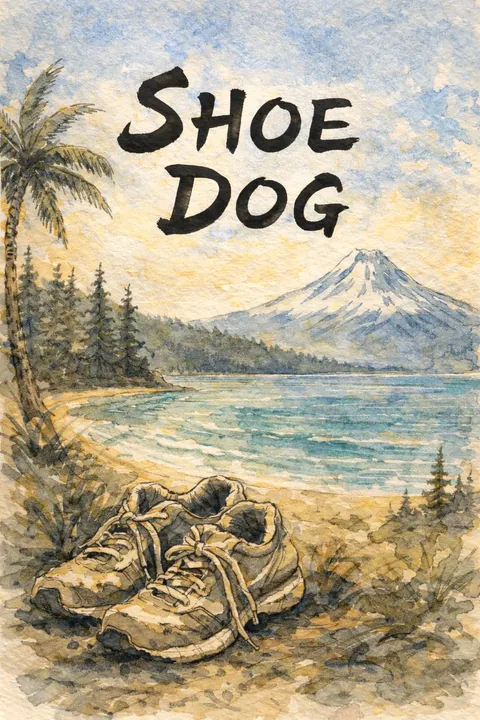
I listened to Shoe Dog while working on my own projects. Knight's Nike story is one long cash crunch, a bank that kept pulling credit, and a team of obsessive runners, told without the mythology.
I listen to Admiral McRaven's commencement speech every week, usually Sunday night or Monday morning. The book expands that University of Texas address into ten lessons from SEAL training.
Astronomy, evolution, and the long view of where we sit.
James Gleick's The Information is the clearest history we have of how the world learned to measure the signal. It is also the book that showed me, by drawing the boundary so cleanly, the one thing the science of information set aside on purpose: meaning. This review is the origin story of the work I have been doing since I closed it.
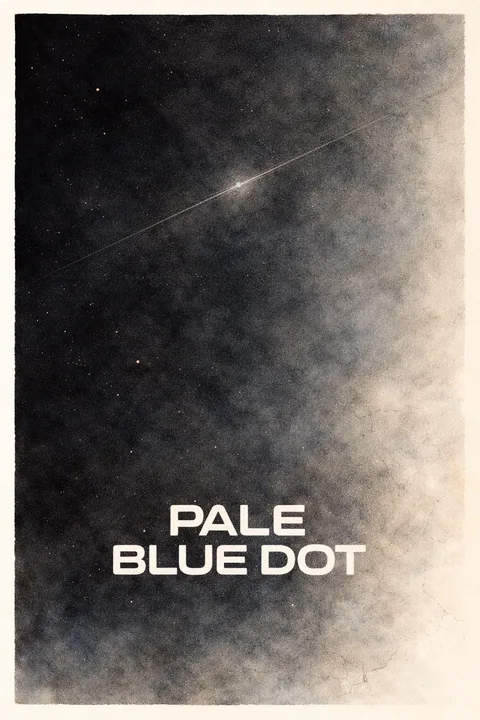
I bought Pale Blue Dot as a student for its cover, then wore out Sagan's own audiobook reading on long drives. Its point still holds: we are not on Earth so much as in space, moving.
Mireya Mayor went from Miami Dolphins cheerleader to primatologist tracking lemurs in Madagascar. What stayed with me is that she never chose between the two and does not apologize for either.
Sagan's Pulitzer book on how intelligence evolved, from the triune brain to why so many cultures tell stories about dragons. Dry in places, and its warning about AI reads differently now.
Books about the work of putting words down honestly.
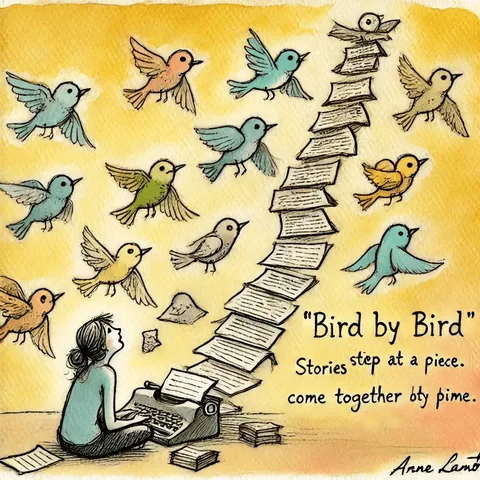
Some writing books feel like technical manuals, others like stern lectures. Anne Lamott’s Bird by Bird: Some Instructions on Writing and Life is so...
A twenty-page lecture I read twice in one sitting. Stein's claim is that a masterpiece has no sense of time in it, and that breaking from convention that completely is why there are so few.
Stephen King's On Writing is two books in one cover, a memoir of how he became a writer and a plain toolbox for being one. The early-life half was my favorite part.
Novels that left a mark, from the absurd to the epic.
The famous line about the universe conspiring left me ambivalent. What stayed with me was the crystal merchant, who loves his dream of Mecca more than he would risk the trip. I know that person.
Pip comes into a secret fortune and gets worse before he gets better, ashamed of Joe the blacksmith, the kindest man in the book. A slow Victorian serial about how money changes a person.
Doerr's Pulitzer novel keeps the war mostly offstage and follows two children, a blind French girl and a German orphan with a gift for radios, until their paths cross in Saint-Malo.
I listened to Coelho's Adultery on audiobook. Linda, a journalist in Geneva with the life she is supposed to want, starts an affair, and the book is really about her boredom and numbness.
I heard Albom's novel on audiobook during a flight and could still hear the narrator weeks later. Eddie, a pier mechanic, dies and meets five people, and it turns out to be a book about forgiveness.
I came to Golden's novel through the dispute with Mineko Iwasaki, the geisha he interviewed, and finished it more curious about her own memoir. A beautiful, slow book about having no choice.
Fine writing early on, the funeral, the heat, the beach, but Meursault read to me as a man short on social skills, not a philosopher. The trial was the part that rang true. Three out of five.
Stoicism, taoism, mindfulness, and arguments about how to live.
Watts's short 1966 book argues that the skin-encapsulated ego is a useful fiction, that you came out of the universe rather than into it, and that a culture forbids us to notice.
Out of Your Mind is Alan Watts' archival lectures in his own voice, laugh included. I keep them on a loop, transcribed the program for a film series, and found the bedrock under how I think about the stars.
Hoff explains Taoism through Pooh and Piglet: wu wei and the uncarved block in the first book, inner virtue and the power of the small in the second. I keep catching myself being Rabbit.
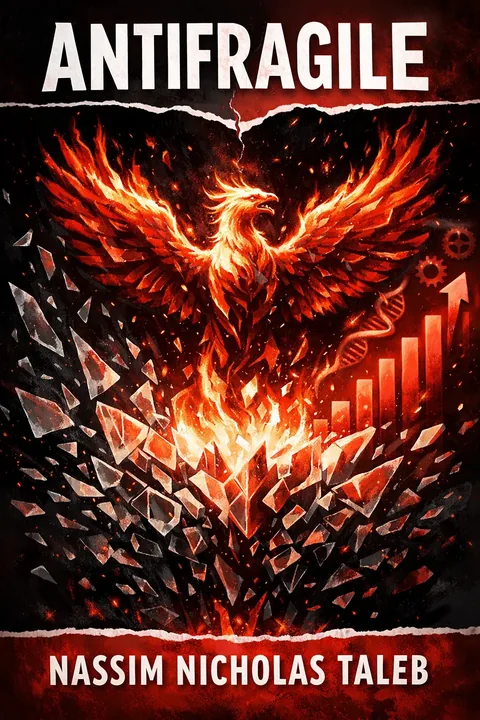
Taleb's Antifragile rearranged how I think about risk: the fragile, robust and antifragile triad, the barbell, via negativa, and skin in the game. Arrogant, repetitive, and worth the argument.
A reread on a flight. Thich Nhat Hanh's short book on mindful breathing, breath as the anchor that pulls you back into the moment, and practice that lives in washing dishes and walking.
Memoir and the rest of the shelf that resists a tidy label.
I'm mid-listen on the Born a Crime audiobook, narrated by Trevor Noah himself, and it is one of the best-told things I have ever put in my ears. A story of apartheid, a fierce mother, language as survival, and lightness pulled out of hardship.
An in-progress read of Cade Metz's Genius Makers (2021): Hinton through the AI winter, the talent war at Google and Facebook, DeepMind's AGI goal. It ends before ChatGPT, and I read it in doses.