All the Light We Cannot See by Anthony Doerr
Doerr's Pulitzer novel keeps the war mostly offstage and follows two children, a blind French girl and a German orphan with a gift for radios, until their paths cross in Saint-Malo.

I keep coming back to this one. Anthony Doerr's All the Light We Cannot See came out in 2014 and won the Pulitzer for fiction the next year, and I think the prize was earned, though not for the reasons people usually hand a war novel its medals.
It follows two children through World War II. Marie-Laure is a blind French girl whose father builds her wooden models of their neighborhood so she can learn the streets by touch, and who later ends up in the walled coastal town of Saint-Malo. Werner is a German orphan with a real gift for radios, the kind of talent that gets a boy noticed and pulled into the war machine whether he wants it or not. Doerr keeps them apart for almost the whole book, then lets their paths cross near the end, in Saint-Malo, under the bombs.
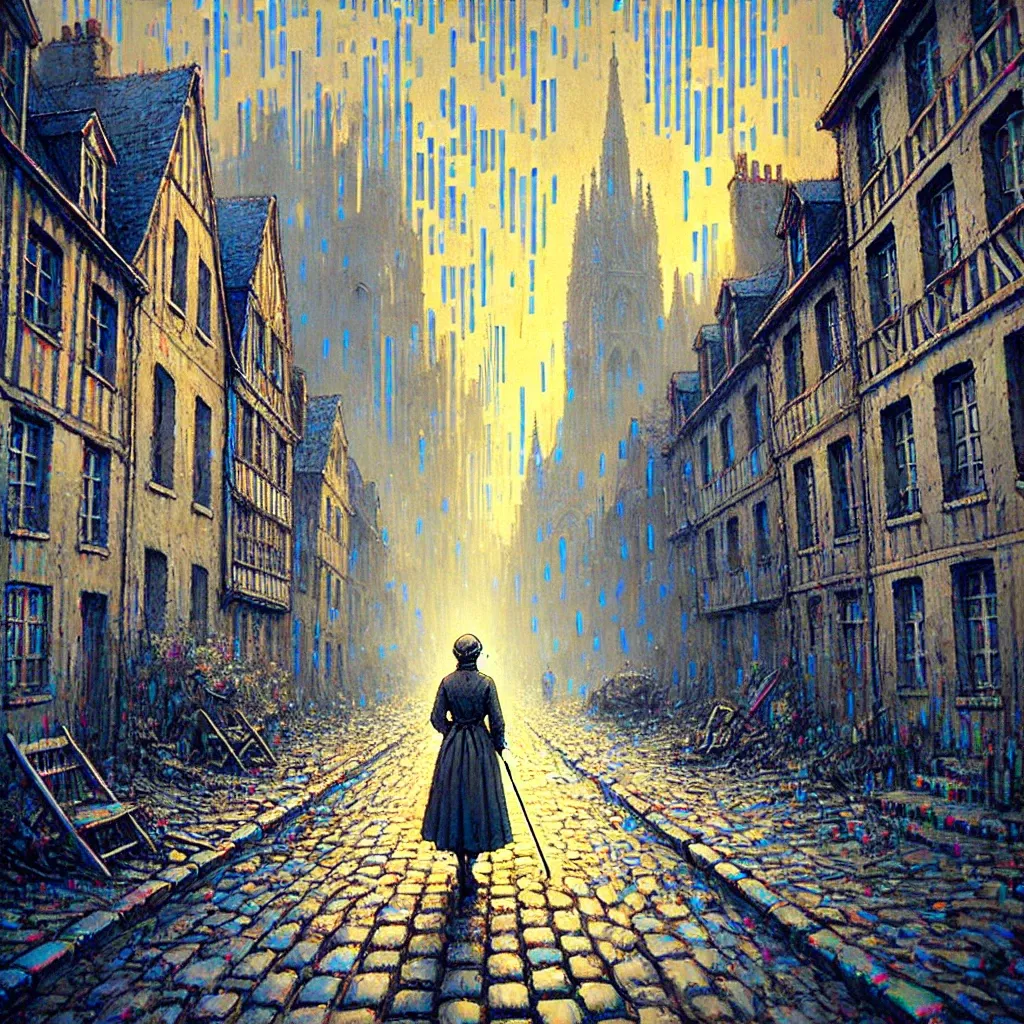
What got me was that the war stays mostly offstage. There are no big set-piece battles here. The story is told through two kids who did not choose any of it, and that choice does more to me than a hundred pages of generals moving pins on a map ever could. You feel the war as a thing happening to people who are too young to have a say in it.
The radio is the thread that ties the two of them together before they ever meet. Werner builds and fixes them; Marie-Laure lives partly inside the ones she can hear. Voices reaching across distance, in the dark, to someone who needs to hear them. Doerr does not hammer this. He just lets it sit there and you notice it.
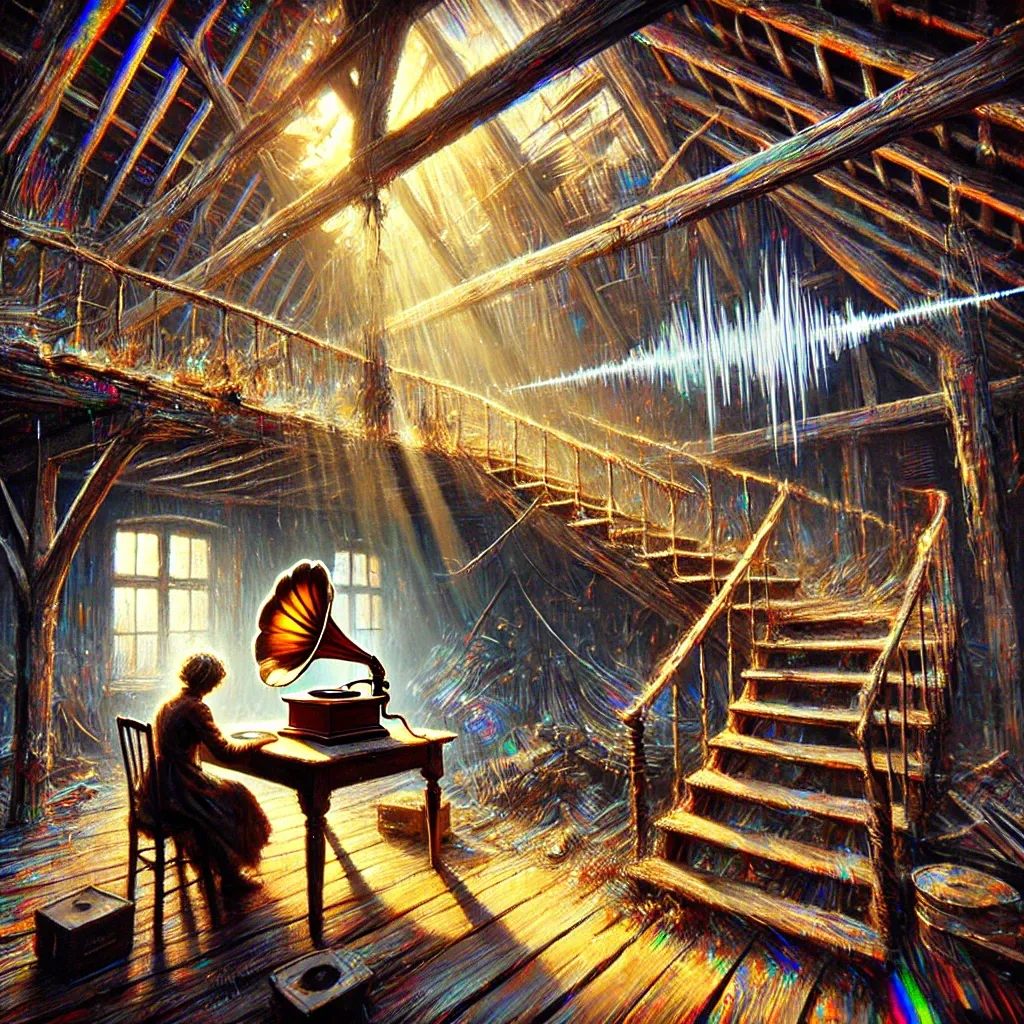
Marie-Laure's blindness and Werner's quick mind both make them the kind of people a war like this tends to use up and throw away. Watching them try to stay decent inside a machine built for the opposite is most of the book's weight for me. Some of the choices are theirs. A lot of it is just where they were born and when.

The prose is the other reason to read it. Doerr writes in short chapters, almost like prose poems, and the book jumps back and forth across the timeline so the two stories close in on each other from both ends. Sometimes that structure felt like a trick to me, a way to hold suspense by withholding. Most of the time it worked, and the sentences are good enough that I stopped minding.

(Want to read it? Get your copy here.)

It is a long book, around 530 pages, and it does not rush. If you want a fast war story this is not it. But it stayed with me after I put it down, which is the only test I really trust. I would read it again.
Buy All the Light We Cannot See on Amazon
Storytelling and connection
The way Doerr keeps two distant lives quietly tied together echoes in:
- Decan 30: Finding Direction Through Clouds - On stories and the constellations that guide us
This post contains affiliate links. If you purchase through these links, I may earn a small commission at no extra cost to you. Thank you for supporting this blog!