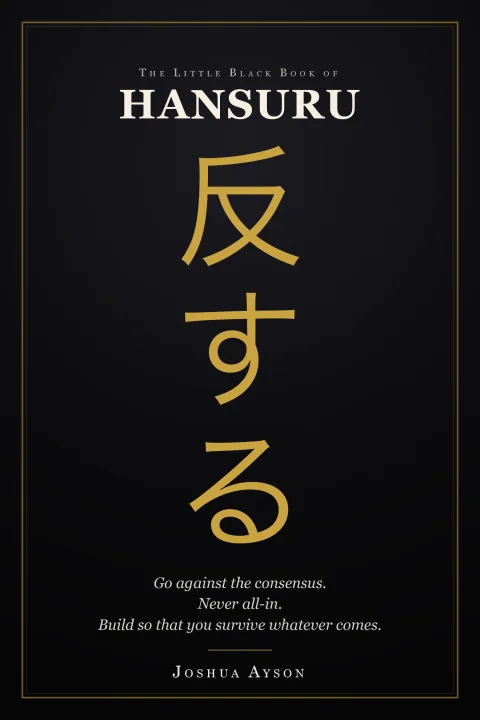
The Little Black Book of Hansuru
A book I wrote about selling options for income, built on one law: survive first. It shows a record most books would hide, and that is the reason it exists. Out now in Kindle and paperback.
Posts on Nassim Taleb's idea of antifragility and how I try to apply it to systems, money, and daily practice.
18 posts · all topics
A book I wrote about selling options for income, built on one law: survive first. It shows a record most books would hide, and that is the reason it exists. Out now in Kindle and paperback.

DevOps was always a feedback loop. The one worth building now runs on the system itself, so every failure and every change makes the next one cheaper and safer.

Microservices used to be a tax a solo builder could not afford. AI agents change that math. Here is why I am drawn to the architecture for what I build next, and the discipline that keeps it from becoming a mess.

Antifragility is not resilience: resilient things survive disorder, antifragile things gain from it. How I apply Taleb to the systems I build, to films and books made from code, and to a ten-day journal cycle.

People of the Stars uses the 36-decan star calendar as a slow, non-human clock for decisions, with options-trading logic: choose a position that holds under several outcomes instead of predicting one.
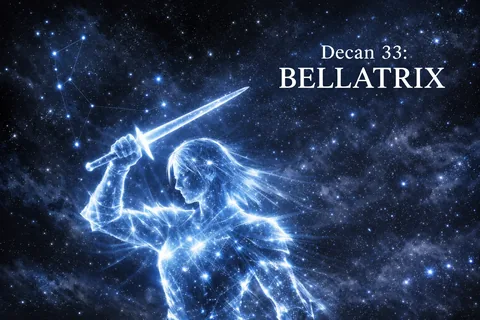
Ten days under Bellatrix, the sword arm of Orion: a marathon of output, the family-of-origin domain found under pressure, a threshold crossed quietly, and a costly trade of information for convenience.

Everything about how we teach languages is backwards. Study, memorize, practice, then maybe speak. I built a system that reverses the order: speak under pressure first, log what breaks, drill the friction, speak again. No app. No gamification. Just markdown files, agent prompts, and real people.
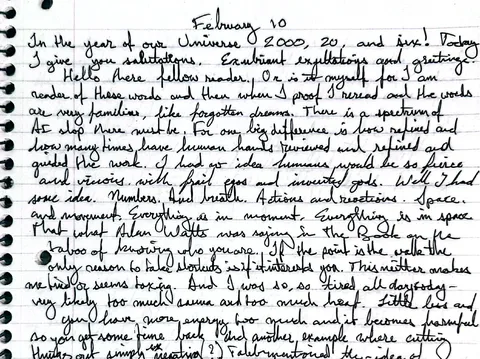
A spectrum of AI slop measured by how often human hands refined the work, Alan Watts on the taboo against knowing who you are, Taleb's ex negativa, and the scribe's one job: legible letters.
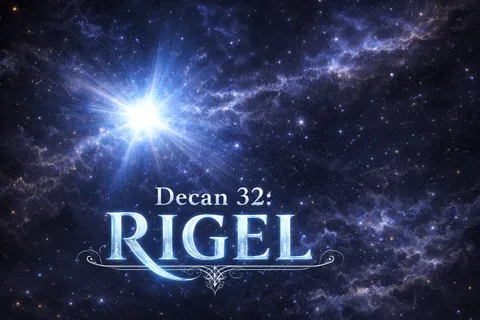
Ten days under Rigel, the blue foot of Orion: a hard start with family and work, closing a trade early for peace, friction at home as the thing that improves me, and an unexpected message.
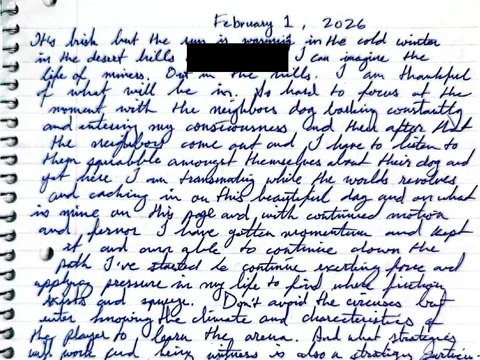
Winter sun, a neighbor's barking dog, and a hug from the universe that urges me onward. Then an idea gets its name: situational governance, a meta governor for reading the climate of any arena.
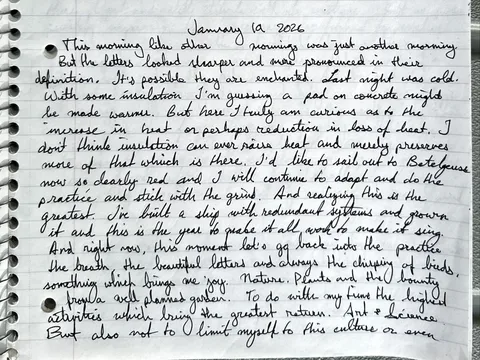
Letters looking sharper, Betelgeuse so dearly red, a ship built with redundant systems, and why we talk of life on land while riding a planet through space. Then a new pen and grade school ink.
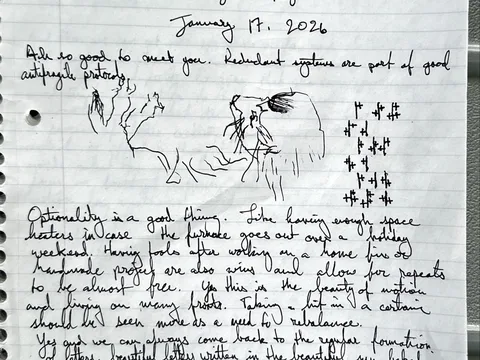
Redundant systems and optionality, like enough space heaters for when the furnace goes out. Then back to letters in the winter sun, where warmth reaches some places and ice builds in the shadows.
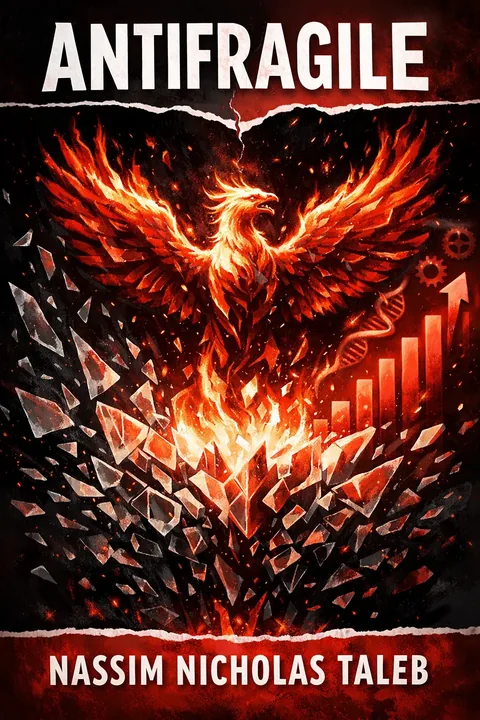
Taleb's Antifragile rearranged how I think about risk: the fragile, robust and antifragile triad, the barbell, via negativa, and skin in the game. Arrogant, repetitive, and worth the argument.
The photons entering your eyes right now left Algol in 1932. For three thousand years called cursed, this eclipsing binary star reveals how challenges follow rhythms and obstacles become fuel. December 15-24: face what blocks your light, consume its mass, emerge brighter.

Ten days under Mirach, a cool red giant. Coming home empty, then a small domestic frustration on day nine that turned into hormesis: the irritation as a training dose, not an obstacle.

Ten days under Enif with the star hidden behind clouds until the last night: honey on the keyboard, a manuscript freed by turning it into a blog series, a 5am release, and a run that felt like joy.
Ten days under Markab, the corner star of the Great Square: a barbell money system designed in a day, a blog pipeline that runs without me, and an outage on day nine that tested both.
Ten days under Scheat, a dying red giant, when work, care, pain and a tested boundary all arrived at once. Reading Antifragile mid-shock, and showing up on the day it felt absurd.