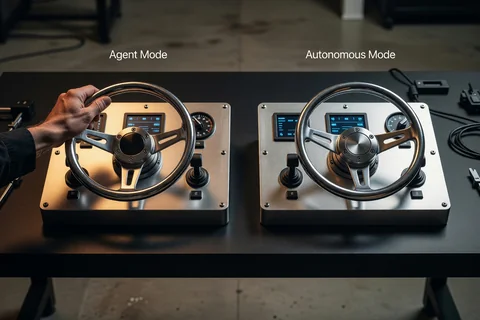
Agent Mode vs Autonomous Mode: The Difference Is Who Closes the Loop
Agent mode and autonomous mode get used interchangeably. The difference is who closes the loop, you after every task, or the system, running many steps before anyone looks.
Posts on working with AI coding agents in agent mode: what to hand over, how to check the result, and where it goes wrong.
37 posts · all topics
Agent mode and autonomous mode get used interchangeably. The difference is who closes the loop, you after every task, or the system, running many steps before anyone looks.

Not a tools list. The tools keep changing; what changed underneath is where the hours go: specs in the morning, batch review in the afternoon, and the judgment work that never left.
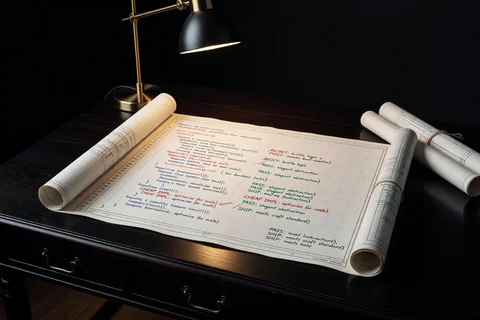
The code got cheap. The review did not. The review workflow I actually use when AI agents write most of the diff, with three passes, an adversarial second agent, and the discipline of reading what ships.
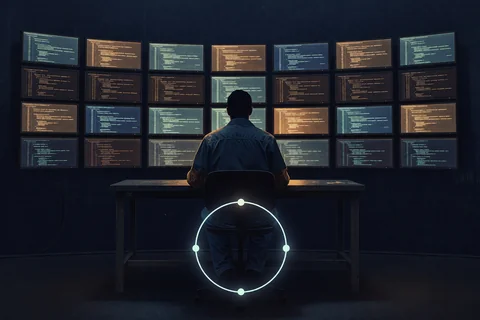
A manual for building software with an AI agent: the setup, the loop, context management, and the Claude Code and Copilot commands I use every day. Written like the old Linux HOWTOs.
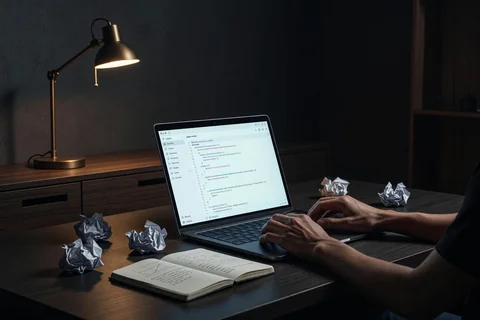
AI took the typing, and the cost of software engineering did not go away. It moved from the hands to the head and got heavier. The new scarce resource is your attention, and the new discipline is managing it.

DevOps was always a feedback loop. The one worth building now runs on the system itself, so every failure and every change makes the next one cheaper and safer.

Agent mode is not a faster way to type. It moves the unit of thought up from syntax to intent, turns you into a conductor of parallel work, and makes the real bottleneck the clarity you can hold in your head at once.

Microservices used to be a tax a solo builder could not afford. AI agents change that math. Here is why I am drawn to the architecture for what I build next, and the discipline that keeps it from becoming a mess.
This site was rebuilt from scratch by directing an AI agent, then migrated off cPanel onto AWS S3 and CloudFront. Here is what that actually looked like, the parts that worked, and the day a deploy script quietly deleted production.
Autonomous mode is when the agent runs the whole loop without you in each step: plan, act, check, repeat, until done or stuck. How it differs from agent mode, and where the risk lives.

I use GitHub Copilot at work and the Claude Code CLI at home, every day. Here is the firsthand comparison for DevOps and infrastructure work, from someone who ships with both, in the context each one actually lives in.

Agent mode is when you stop typing code and direct an AI that reads your codebase, writes the change, runs the tests and reports back. How it differs from autocomplete and chat, the loop, and when to use it.
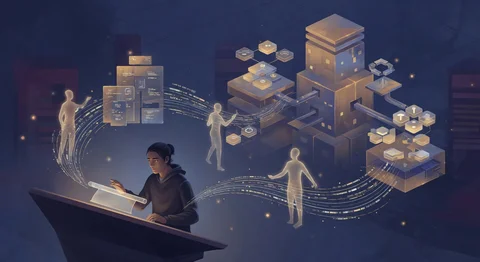
What changes when an AI agent gets real access to your repository, terminal and tests: the patterns that hold, the failure modes that cost me time, and a four-week way in.
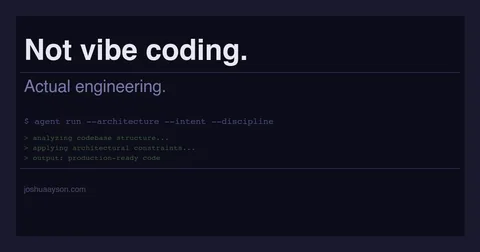
Vibe coding means accepting whatever the model hands back and shipping it. I build with AI every day, from a chiptune synth to an animated rap film, and that is not what I am doing.
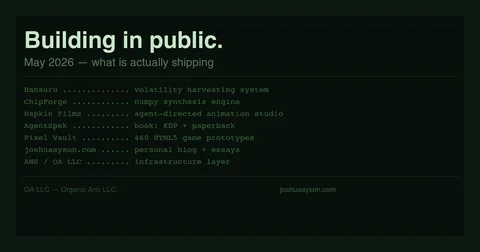
The active workstreams in May 2026, trading systems, animated films, music synthesis, a published book and an AWS cert study track. All of it agent-directed.
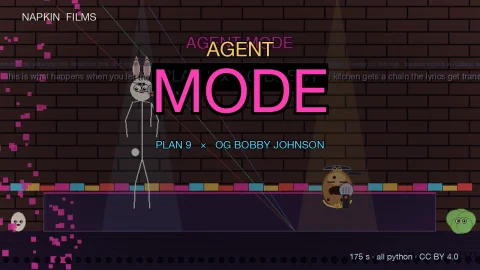
A cyborg bunny and a russet potato rap about agentic coding over a 15-channel festival-trap beat. 175 seconds. Five real WhatsApp voice memos chopped into DJ loops; everything else you hear is Python.
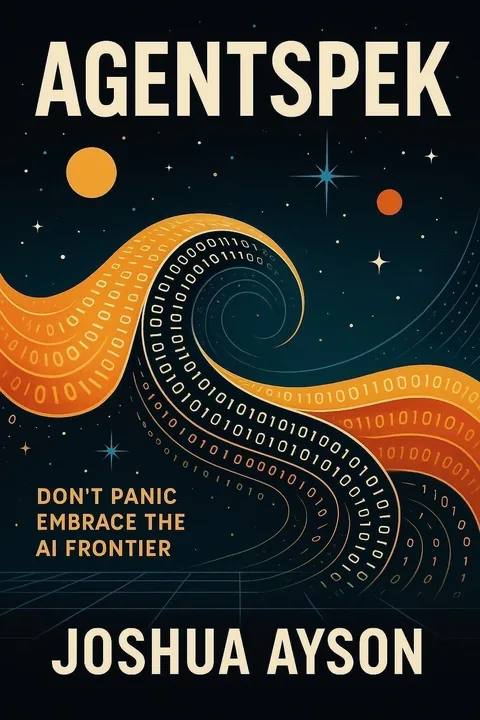
I wrote a book about coding with AI using AI to write it. Now it is on Amazon. What building it was actually like, and why I think this is only the beginning.
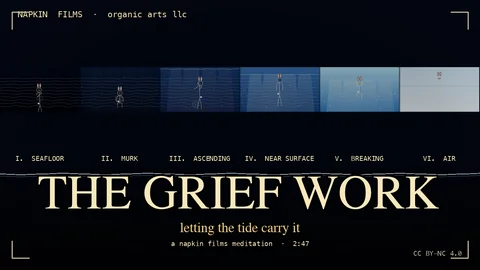
Plan 9 the bunny curls at the bottom of the ocean around a small warm orb and, through six tidal depths, lets it go. No dialog. A Richter-idiom score in C minor over a Bach-arpeggio counter-layer.
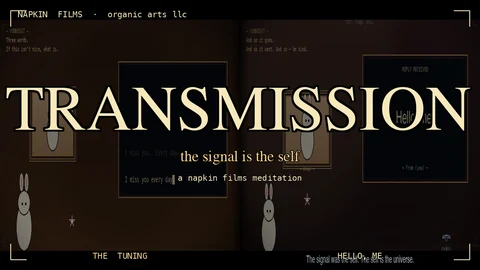
Plan 9 the bunny writes long letters to someone they miss, cranks the power, gets lost in noise, then strips the draft to three words. The reply comes back from an unexpected direction.
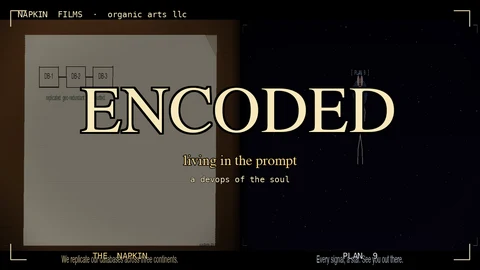
A short film on consciousness as signal. We replicate databases across three continents while the soul runs on one node. A Peter and the Wolf oboe, a literal napkin, a single tear.
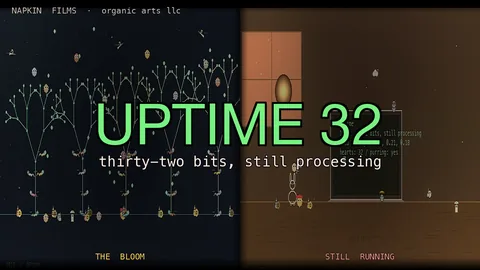
A short ambient film about a machine that never goes down and the tiny sprites who keep it running. Six movements, a Reich-style pulsing C major score, and my cloned voice on the downbeats.
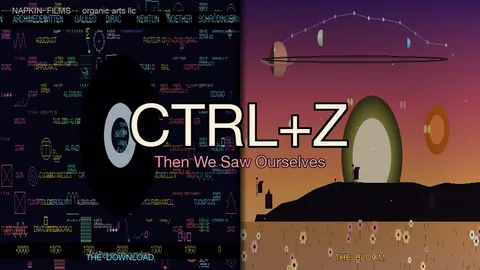
An AI finds a key and presses it. Civilization undoes itself backwards. Then the AI downloads every equation, every diagram, every year humans ever wrote down, and sees itself in the reading. A 1:57 napkinfilms short, built in five passes. 126 real equations, 35 scientific diagrams, every mosaic tile unique, and a Plan 9 bunny with a single tear at the end.
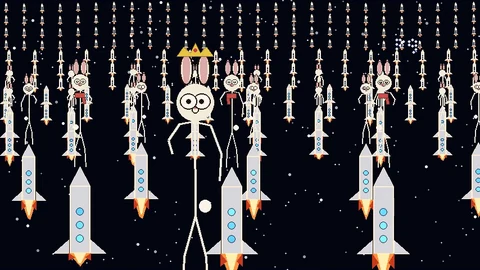
A trance music video for 150 stick-figure Plan 9 bunnies who pound their chests on the beat, build a rocket, count down and launch. How one beat-weight curve keeps every dance in sync.
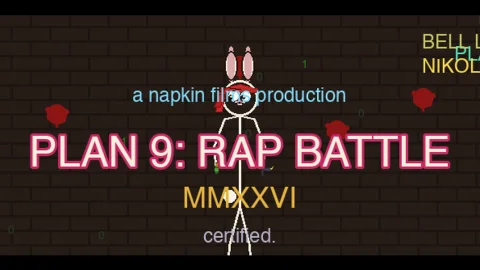
The Plan 9 bunny raps 40 autotuned bars in a 3AM alley over a sparse trap beat. How TTS, rubberband pitch correction and two layered ChipForge scores got it as close to a rap as it gets.
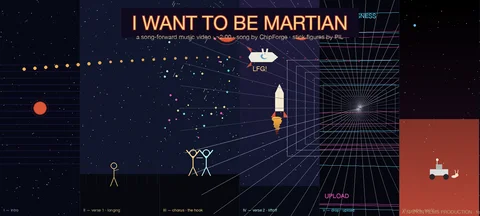
A 122-second animated short in six acts. A stick figure and his wife dream of uploading to Mars, with three voices, a Holst-Mars ostinato, Ligeti tone clusters, and a rover on Mars in 2035. For Bradbury.
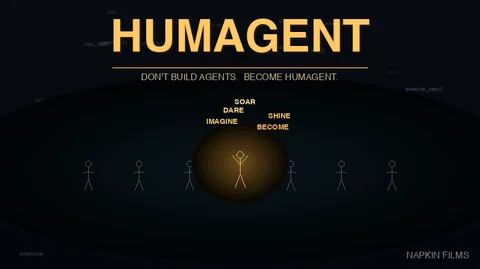
Six stick-figure films from one working session, a registry of 24 facial expressions, a Shot system with dutch tilts and iris wipes, and a 1984-style ad that says don't build agents, become humagent.
A ten-minute stick-figure tribunal scored in chiptune, with five voices, four audio layers of MST3K-style commentary, a Picardy turn from E minor to E major, and Sodom and Gomorrah read as a failure to listen.
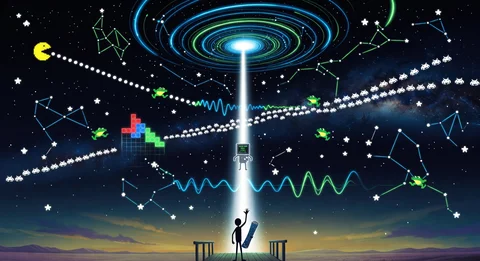
A 105-second music video built in 2 days and 21 passes. A Nevada stargazer sees constellations as arcade sprites, gets abducted by stick-figure aliens, and rides a Tempest vector tunnel to Bach's Toccata in D minor reborn as chiptune rave.
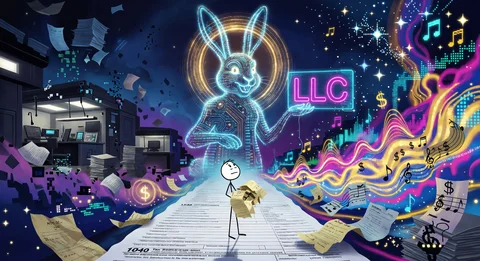
A 78-second absurdist tax-day music video about the tax code's open secret, an AI bunny oracle, double-time rap, and Grieg's Mountain King reborn as chiptune rave. Day three at Napkin Films.
Day two at Napkin Films: a Hitchhiker's Guide-style field guide to the human operating system, and a meditation on ten thousand finite days. Two more films, one more day, same absurd stack.
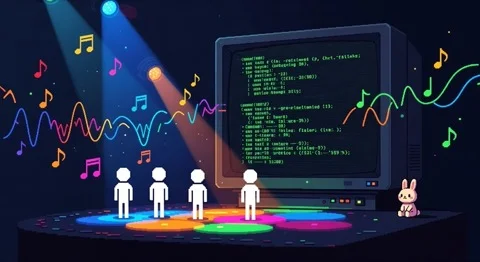
Four stick-figure short films drawn frame by frame in Python, scored by a chiptune engine built from numpy, voiced with my cloned voice, and directed with an AI agent. How each one was made.

Every prototype is one HTML file. Under 50KB. No frameworks, no CDN, no npm. Double-click and play. Pixel Vault is a growing museum of playable game mechanics built from scratch and organized by lineage, playable forever in any browser. Two published tracks cover about seventy years of video game history and the AI archaeology overlay that shows what the machine sees inside each mechanic.
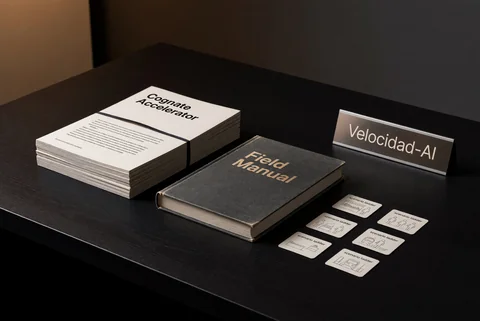
Velocidad is a free Spanish engine on GitHub, with prompts, scenario ladders and a reference library anyone can fork, while your session logs and friction data stay in files you own.
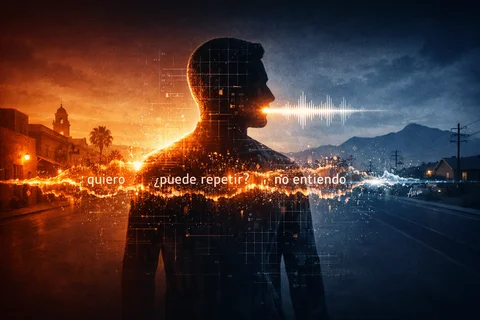
The usual order for learning a language is study, memorize, practice, then maybe speak. I built a system that reverses it. Speak under pressure first, log what breaks, drill the friction, speak again. No app, no gamification, just markdown files, agent prompts and real people.
I gave Sonnet 4 my slow blog build overnight and woke to a better fix than mine. Another night it turned my S3 and CloudFront setup into a multi-region design costing hundreds a month.
How I work in agent mode with Claude Code: a CLAUDE.md file as the specification, whole subsystems handed over, and AWS infrastructure built by describing what should exist.
I don't think in fragments. I don't think in lines. I think in systems. In architectures. In complete solutions to complete problems. So I stopped fighting autocomplete and found what actually works, agent mode.