Chapter 13: The Value Equation
There's a moment when you realize you're not paying for tools anymore. You're paying for time. More specifically, you're paying to buy yourself back.
23 posts
There's a moment when you realize you're not paying for tools anymore. You're paying for time. More specifically, you're paying to buy yourself back.
Working with AI doesn't just teach you new things. It reveals how much of what you 'know' is shallow, contextual, or simply wrong. And it happens at a pace that's psychologically disorienting.
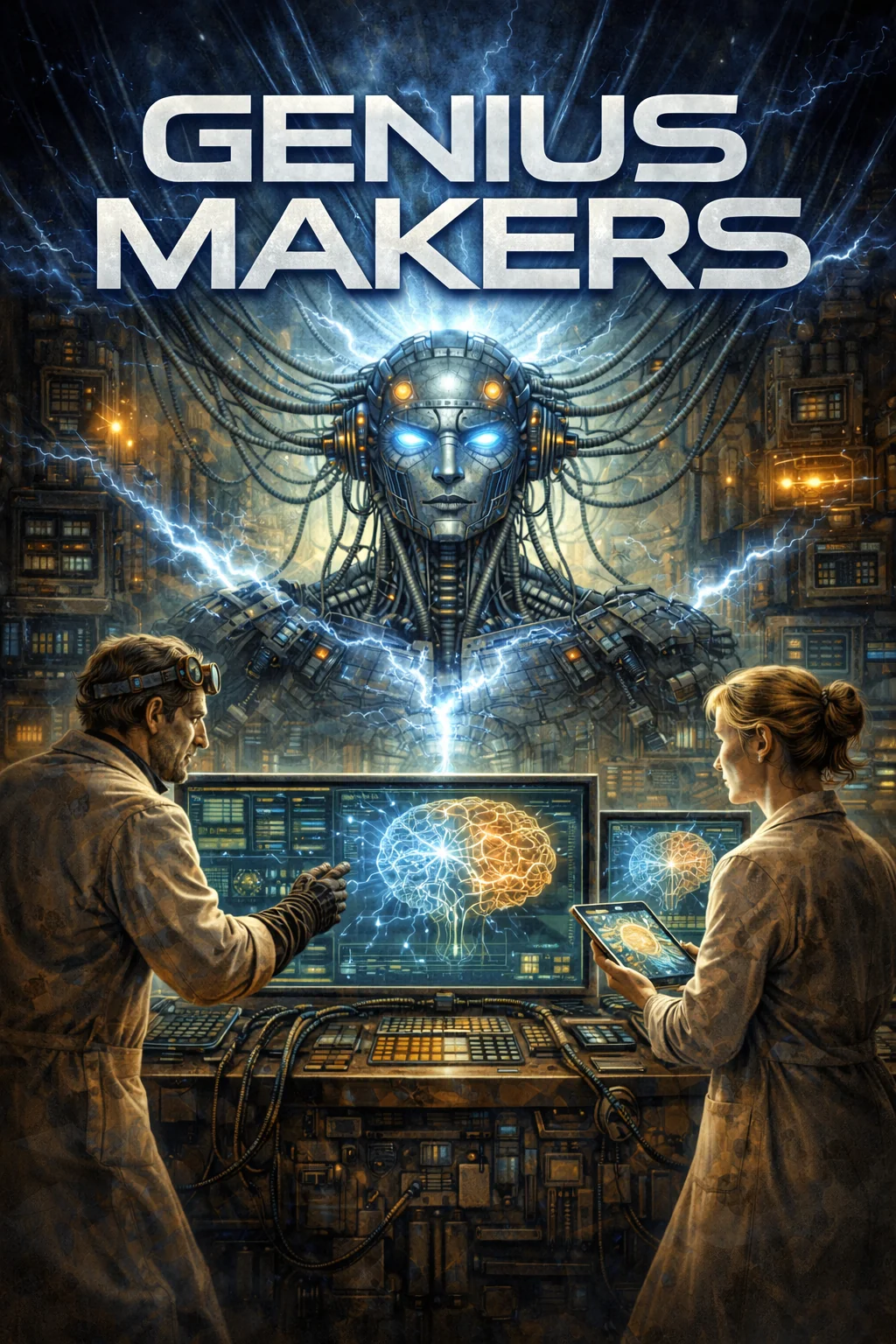
I've been reading this book off and on for months now. Not because it's bad; it's fascinating. But it's dense with ideas that require digestion. Genius Makers chronicles the people building AI, the competition between labs, and the race toward AGI. It's the kind of book where you read a chapter, put it down to think, and pick it up weeks later when you're ready for the next dose of "holy shit, this is actually happening."
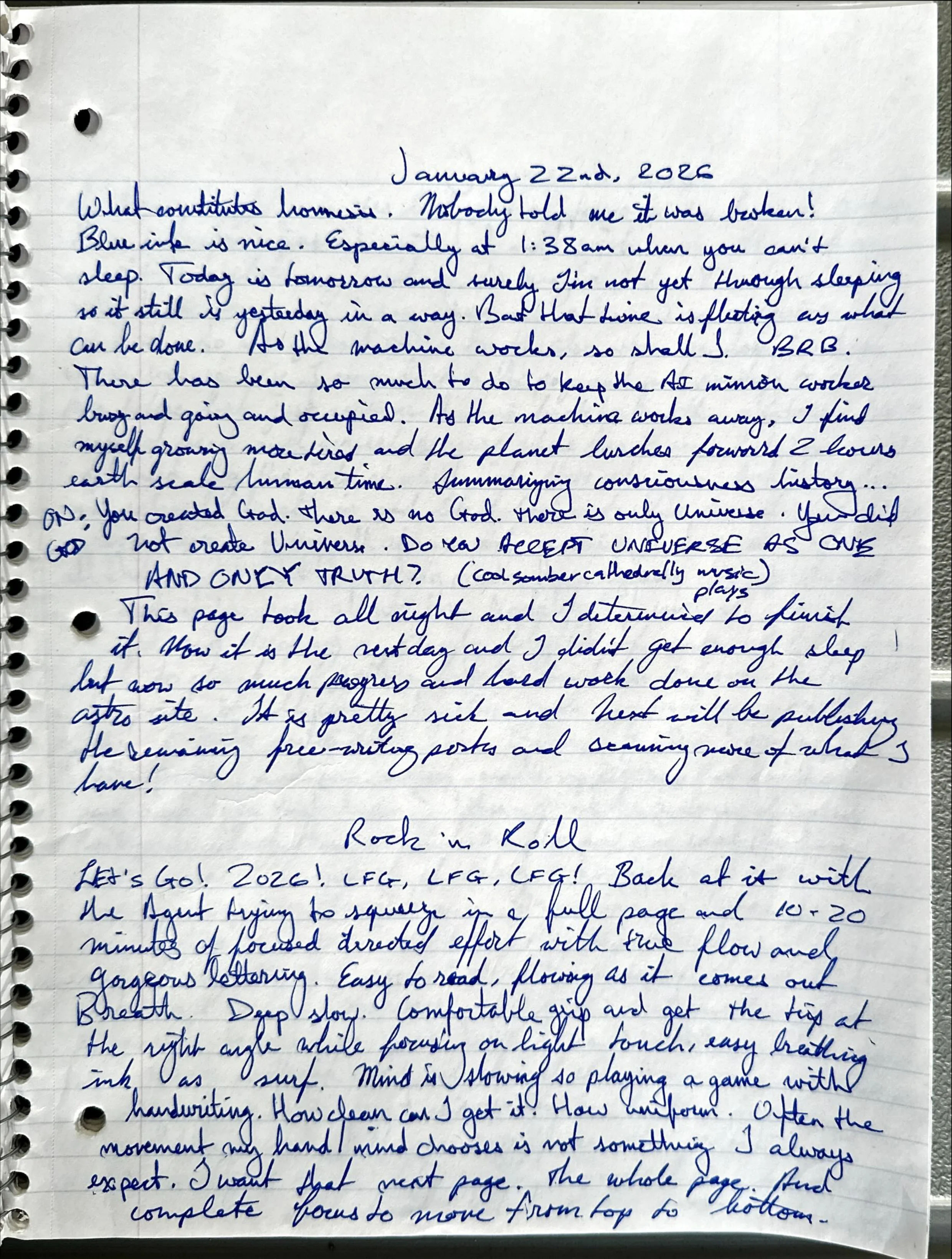
What constitutes hormesis. Nobody told me it was broken! A 1:38am exploration of stress and adaptation, the Universe vs God, AI minion work, and the meditation of handwriting. From philosophical declarations to the pursuit of perfect penmanship and true flow.
When you have unlimited patience from your AI teammate, you grow more patient with your human teammates. When you can iterate rapidly on ideas with AI assistance, you become less precious about any particular approach with humans.
There's a moment when you realize you're not just using AI anymore. You're conducting an orchestra of intelligences, each with its own voice, its own strengths, its own way of seeing the world.

The code was AI-generated. Beautifully elegant. It had sailed through review, passed all tests. And it had a subtle flaw that only manifested when two processes collided in production. The quality paradox: code can be technically perfect and still fail in ways you never imagined.
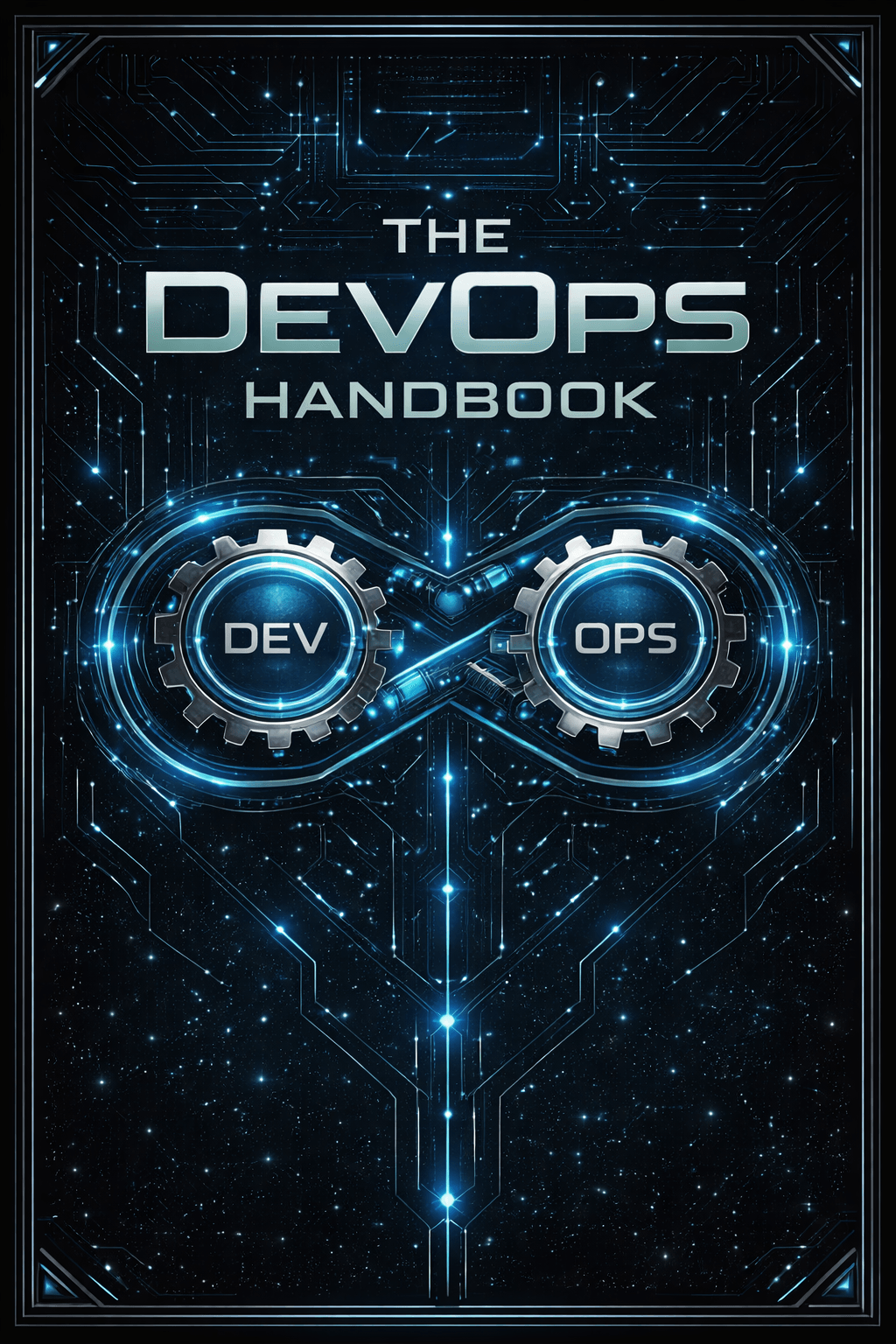
The DevOps Handbook isn't just another tech methodology book. It's the definitive guide to why some engineering teams ship fast without breaking everything, while others are stuck in deployment hell. If you've ever wondered how companies like Netflix and Amazon deploy thousands of times per day without catastrophic failures, this book reveals the playbook.
There's a moment when time stops making sense. When the normal relationship between effort and output breaks down completely.

There's something profound about waking up to work that was done while you slept. Not just done, but done with a thoroughness that makes you question your own approach to problem-solving.
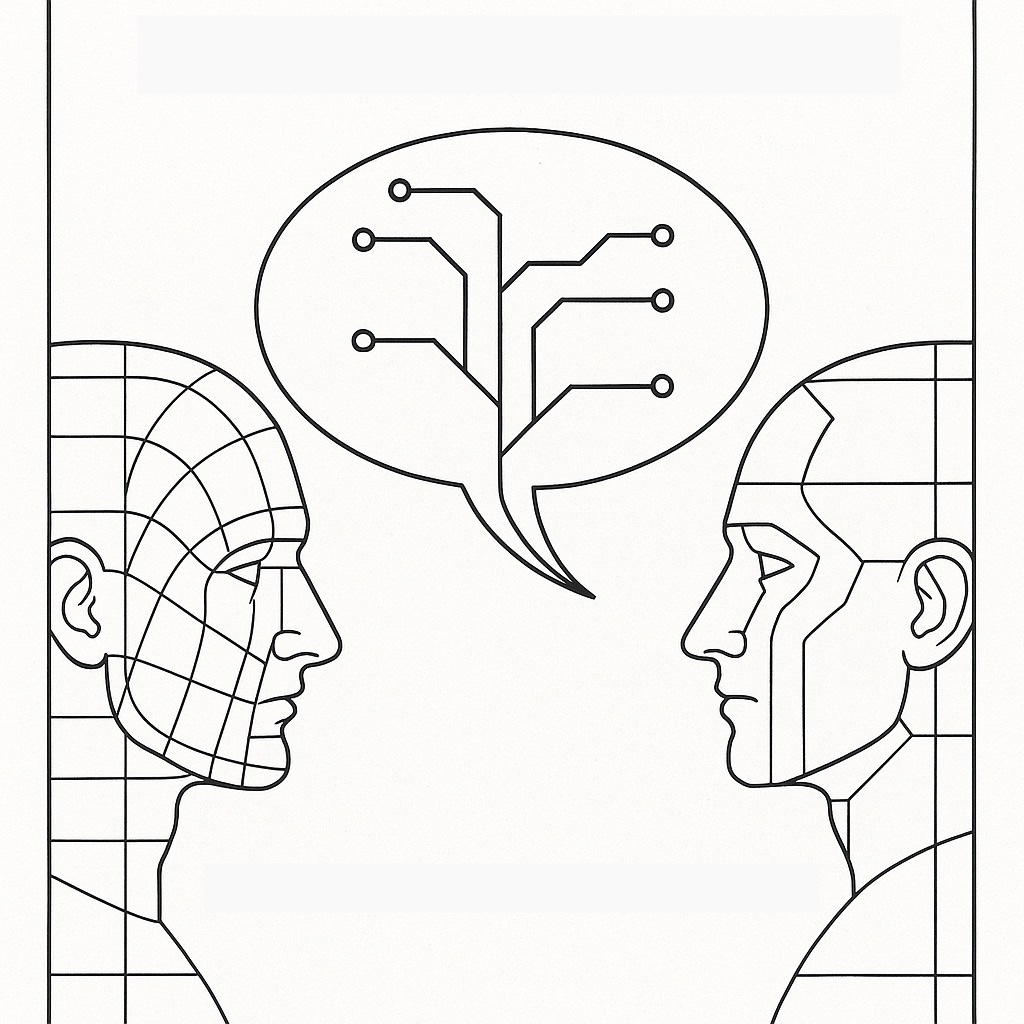
There's a moment when you realize you're no longer programming computers. You're programming intelligence itself. Not through code but through clear expression of intent. Not through syntax but through structured thought.
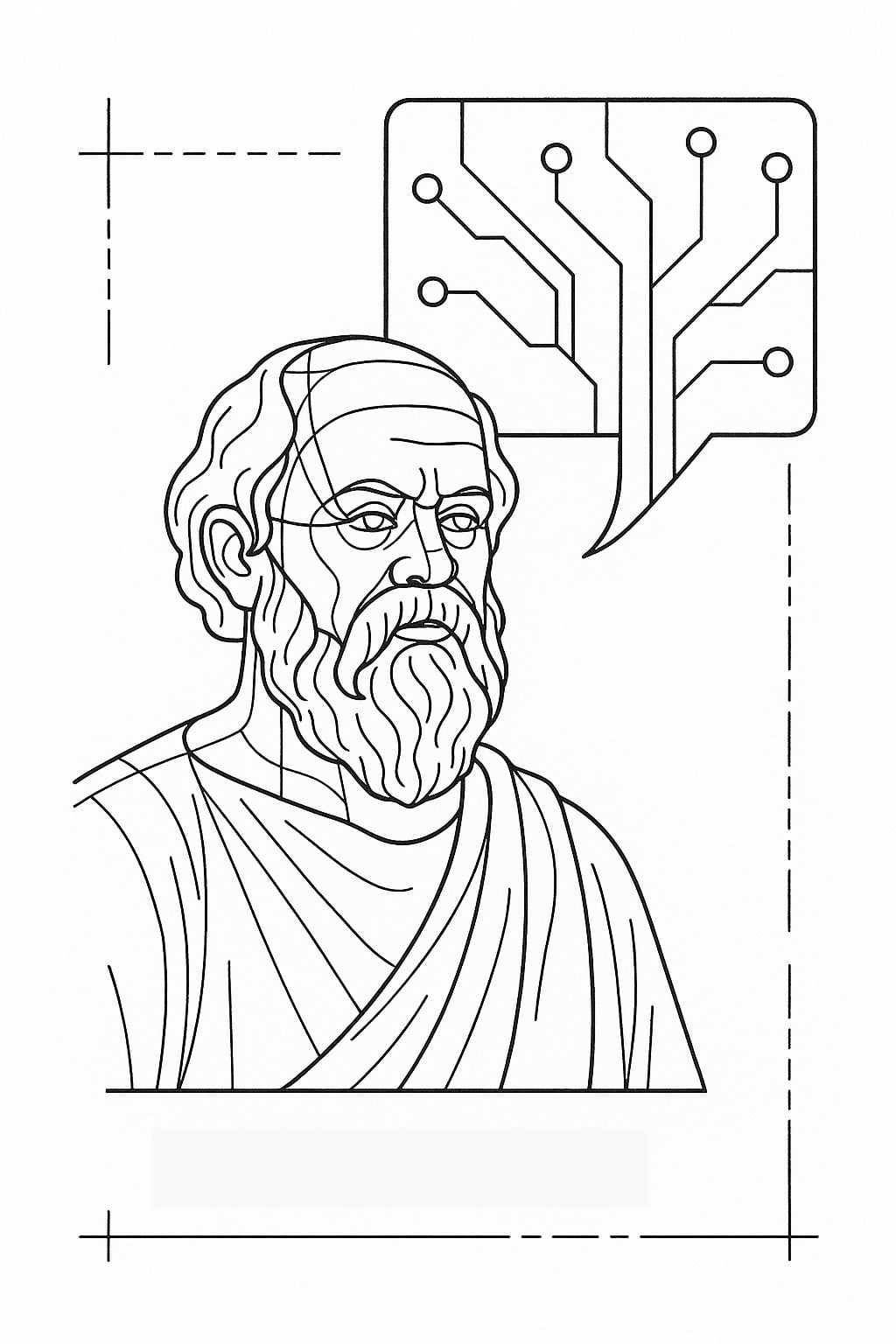
There's a particular kind of clarity that emerges from conversation. Not the false clarity of a quick answer or a copied solution, but the deep understanding that comes from having your assumptions questioned, your blind spots illuminated, your half-formed thoughts given shape.
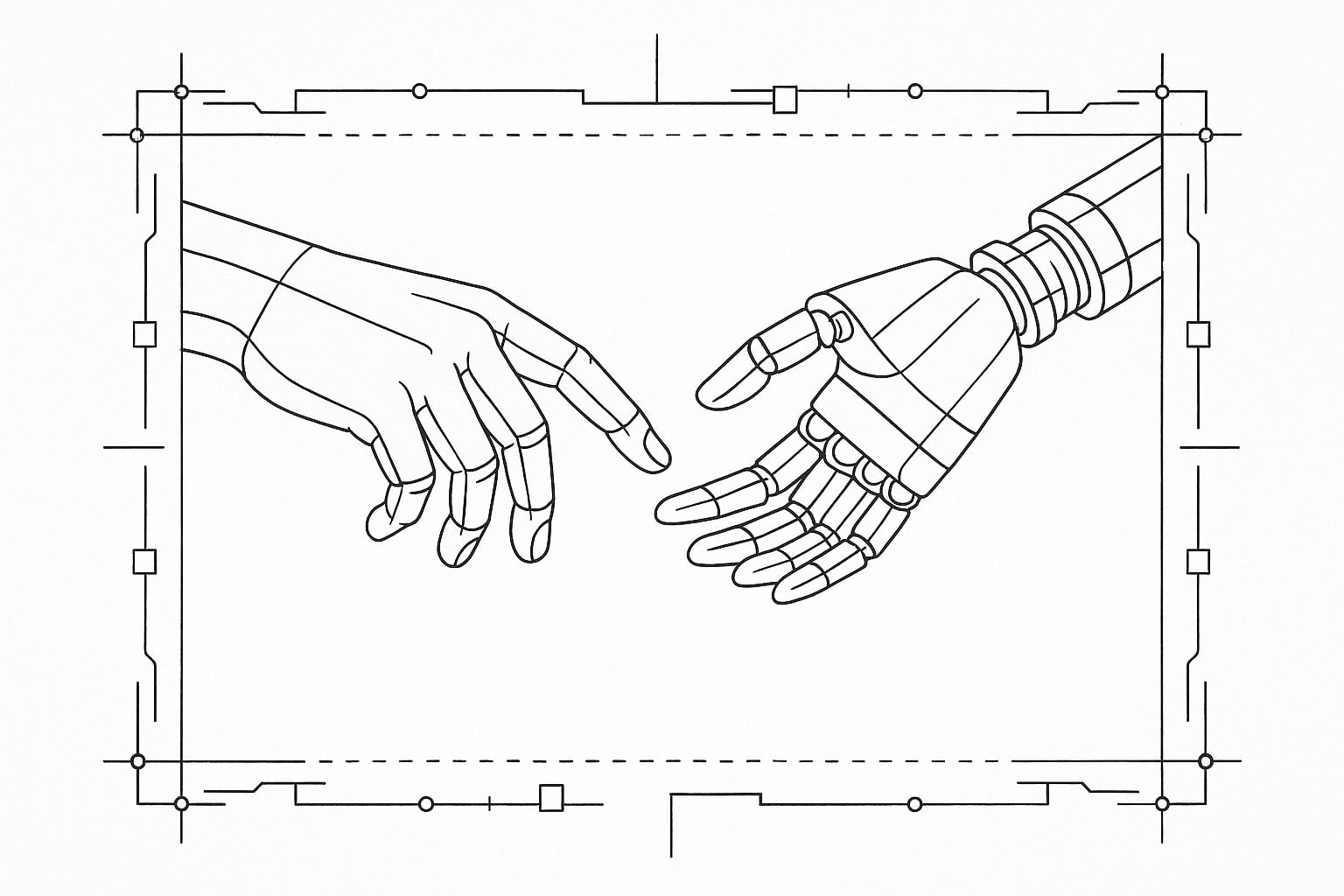
I don't think in fragments. I don't think in lines. I think in systems. In architectures. In complete solutions to complete problems. So I stopped fighting autocomplete and found what actually works: agent mode.
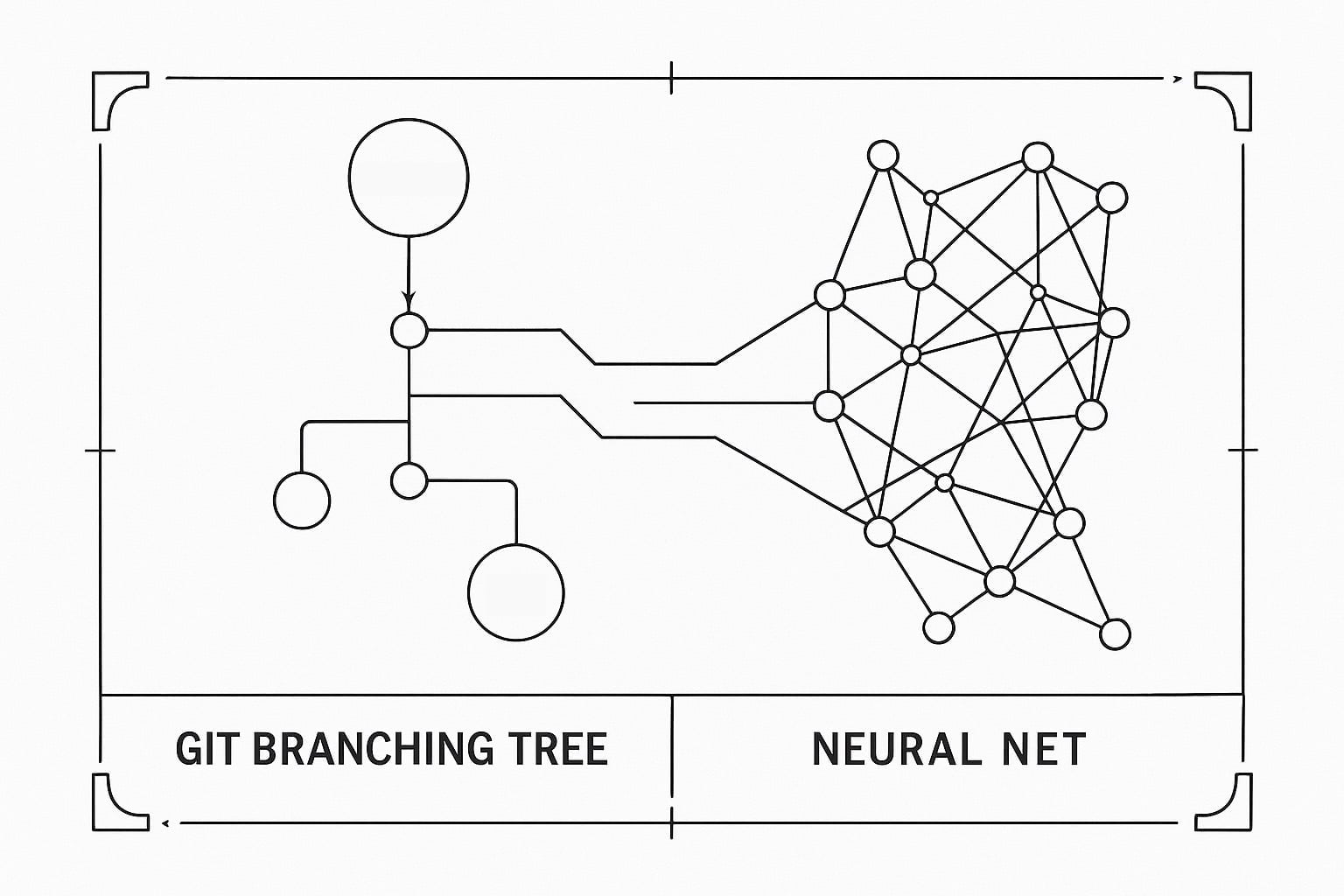
This commit message tells a story that would have been impossible five years ago. A record of human-AI collaboration that produced something neither could have created alone. Git was built for human-paced development, but AI changes all of these assumptions.

How do you measure the ROI of a tool that makes your team think better? This isn't about faster compilers or better CI/CD pipelines: it's about cognitive amplification that has strange, non-linear returns.
I opened seventeen browser tabs, each one a different AI coding tool promising to revolutionize development. This wasn't about money: it was about the overwhelming paradox of choice in a landscape that changes daily.
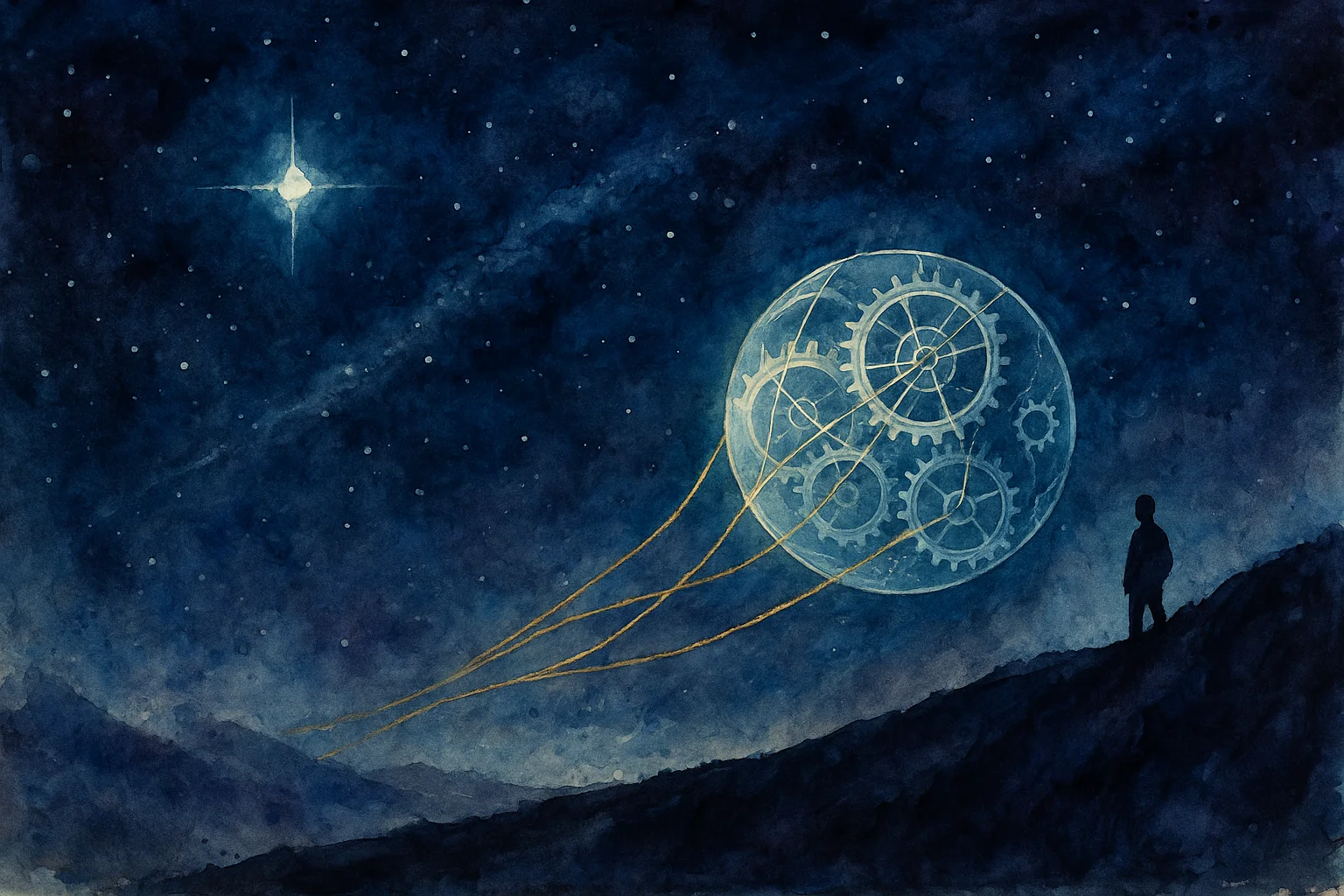
Time is motion. During 10 days tracking consciousness by starlight, we traveled 535 million kilometers through space toward the Great Attractor. On oath-keeping across cosmic scales, burnout as sacred data, and what Sisyphus does when he learns to automate the boulder. A philosophical synthesis spanning Stoicism, Absurdism, and Logotherapy.
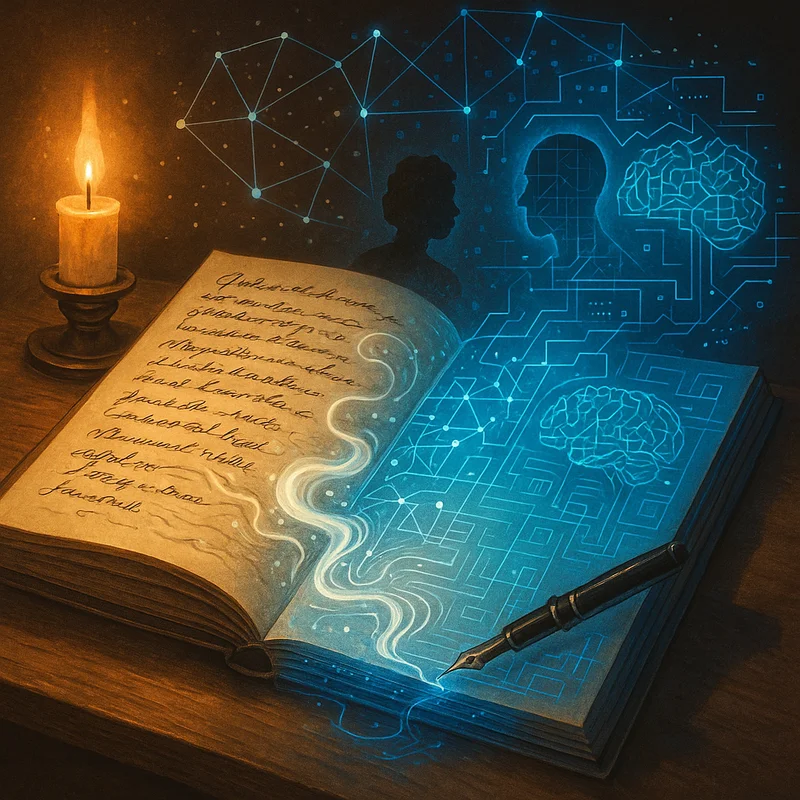
On consciousness alchemy, warrior oaths, and the sacred practice of witnessing your own chaos through data. Spanning Decan 21 (Vega - Harmony, Beauty) through Decan 22 (Fomalhaut - Clarity, Renewal)
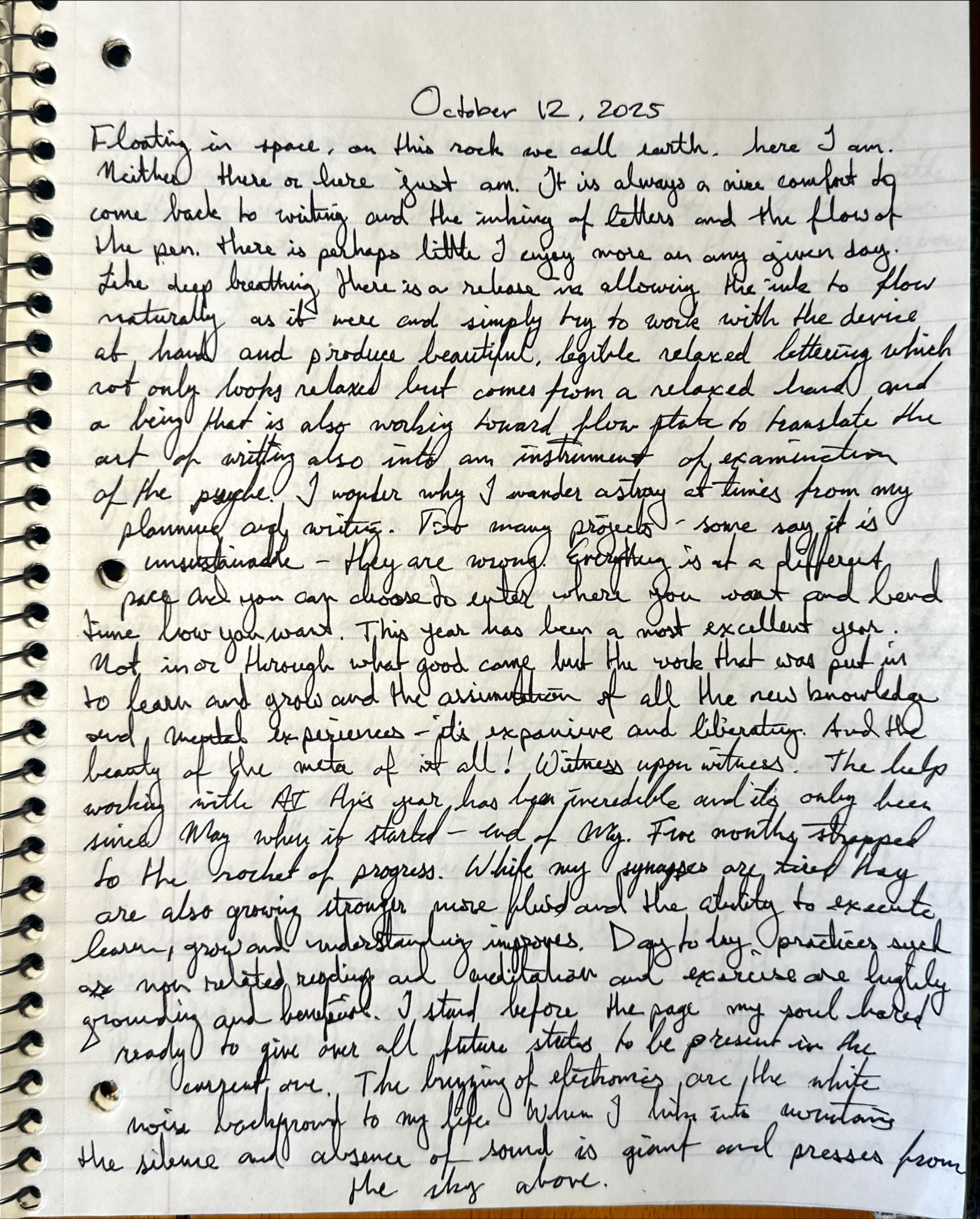
Floating in space, on this rock we call earth. Here I am. Neither there or here just am. A meditation on writing as flow state, the art of presence, and the expansive liberation of growth.
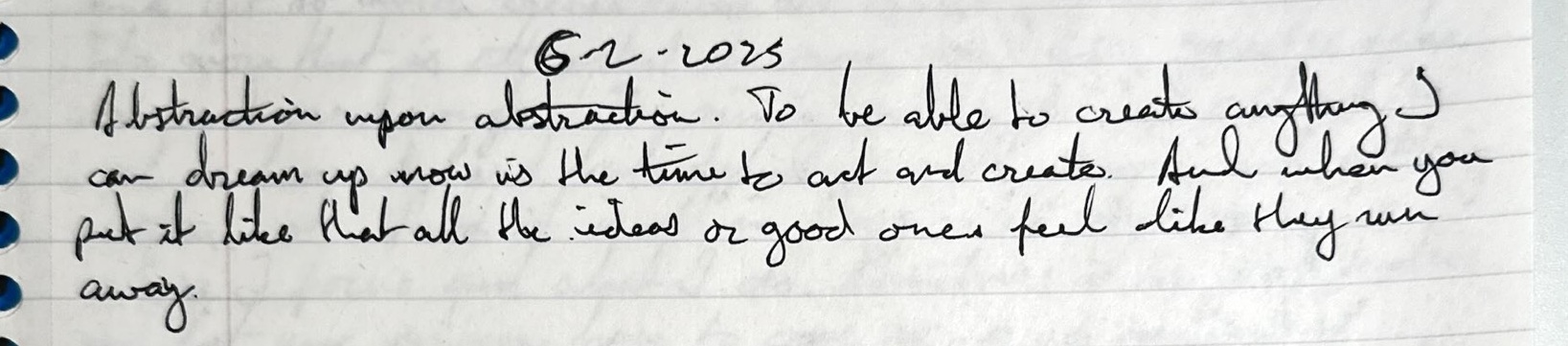
A three-day arc of poetic freewriting exploring abstraction, mental flow, creative overwhelm, and the discipline required to find balance amid life’s demands. These entries weave together musings on thought, memory, penmanship, AI, and self-care—reflecting on the ongoing dance between action and rest, abstraction and the concrete, and the search for meaning within ordinary moments.
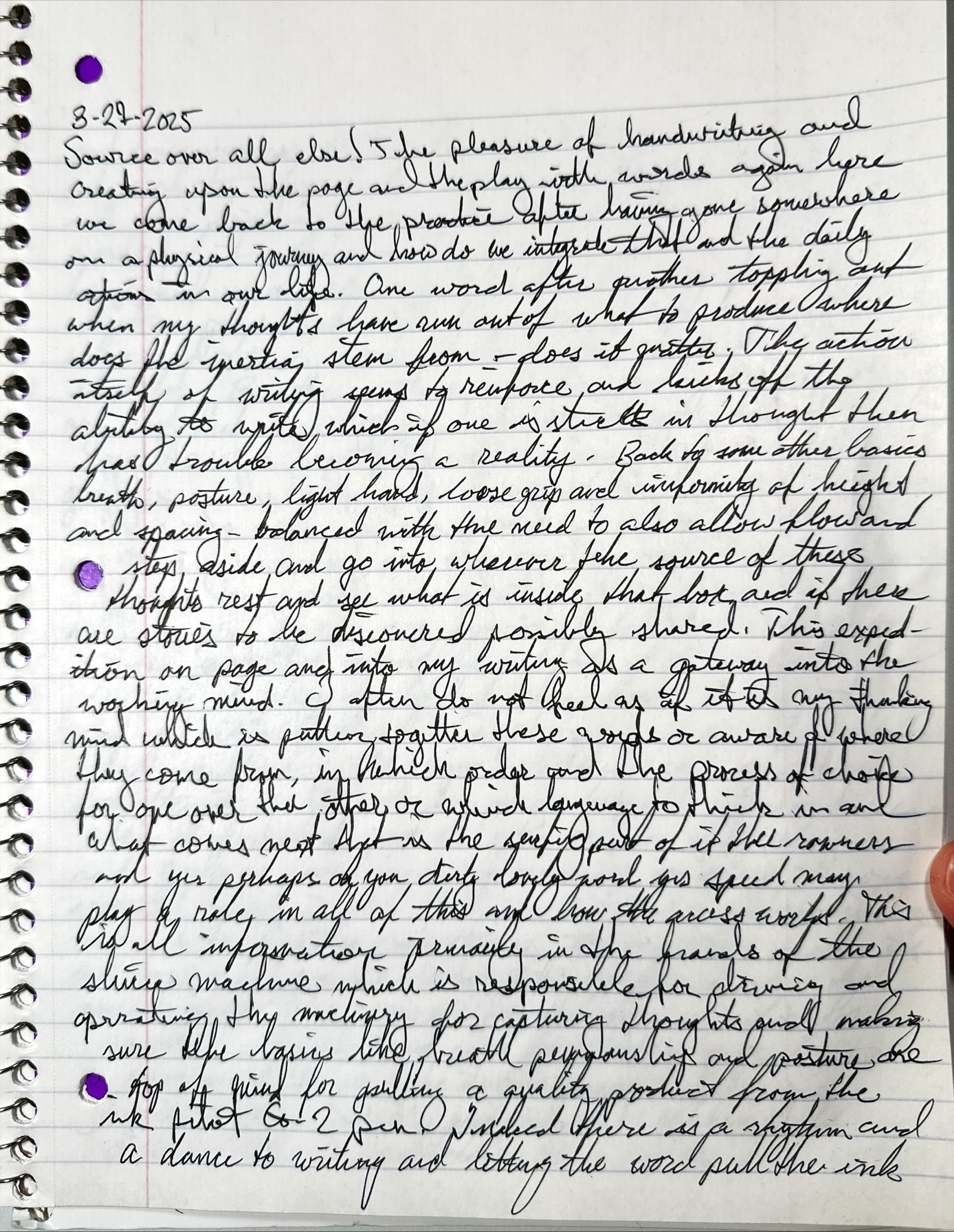
A meditative reflection on the practice of handwriting as a gateway into the subconscious. This stream-of-consciousness journal entry explores the inner mechanics of creativity, the discipline of returning to the page, and the mystery of sourcing original thought through rhythm, breath, and presence. Written at the turn of a season, it’s a poetic tracing of movement, inertia, and meaning-making in real time.
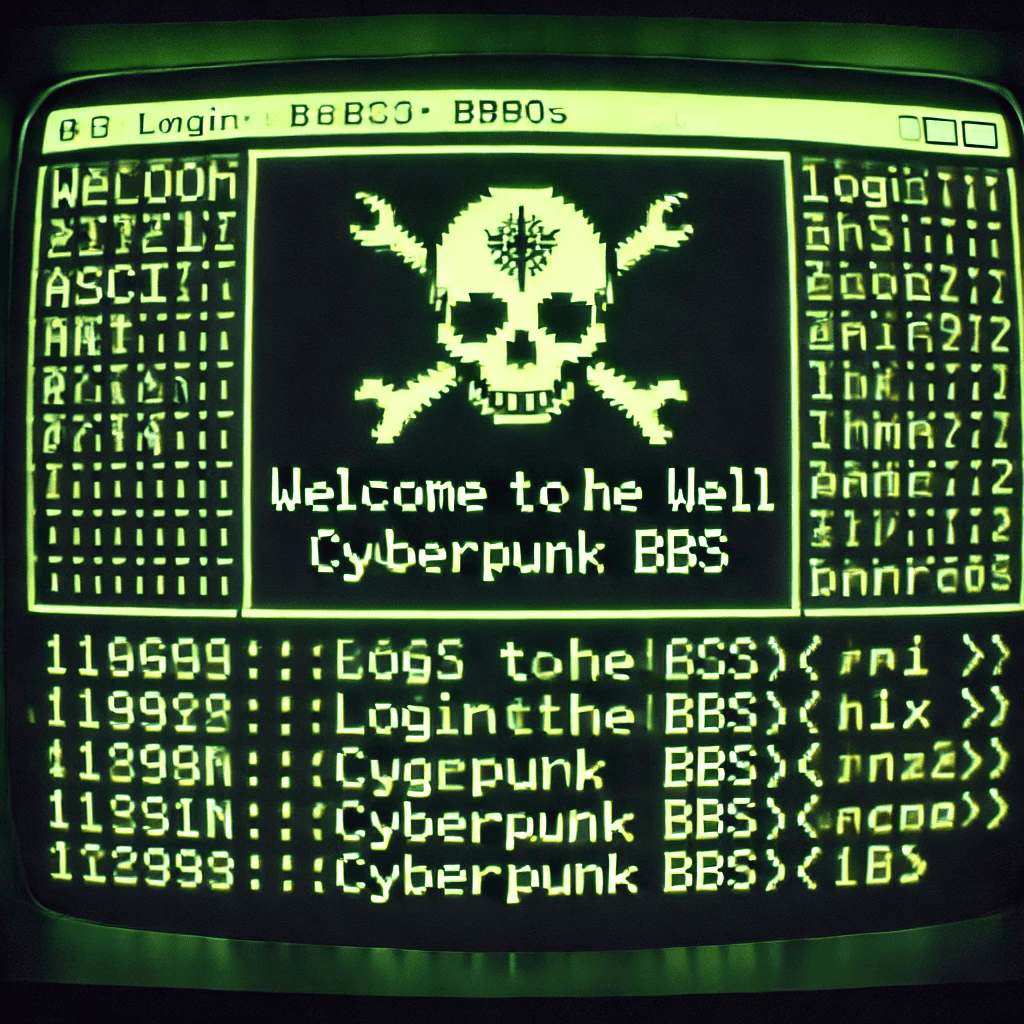
Steven Levy’s Hackers: The Heroes of the Computer Revolution is a foundational text in the history of computing, chronicling the evolution of hacke...
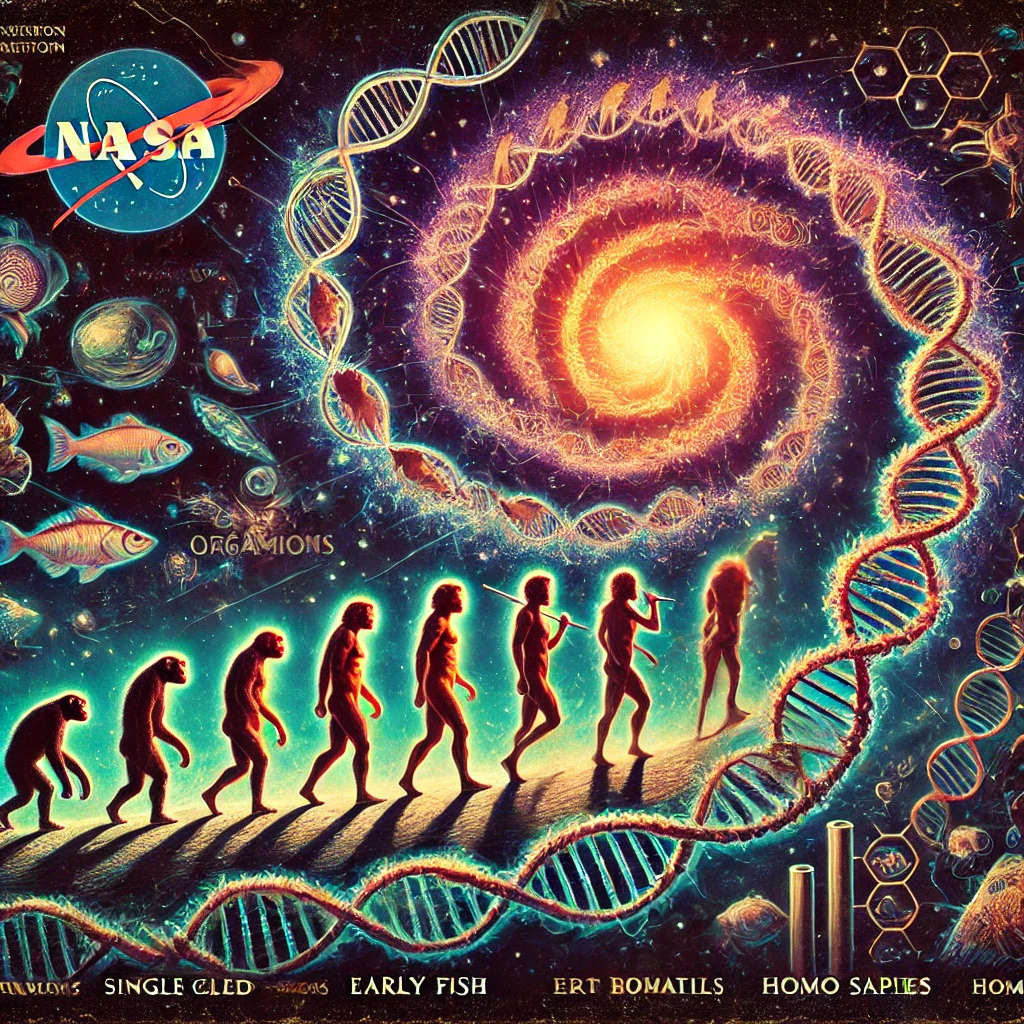
Carl Sagan’s The Dragons of Eden isn’t just another book on human intelligence—it’s an interdisciplinary fusion of science, philosophy, and speculative inquiry.