The Blueprint: The Film That Closes the Principles Arc
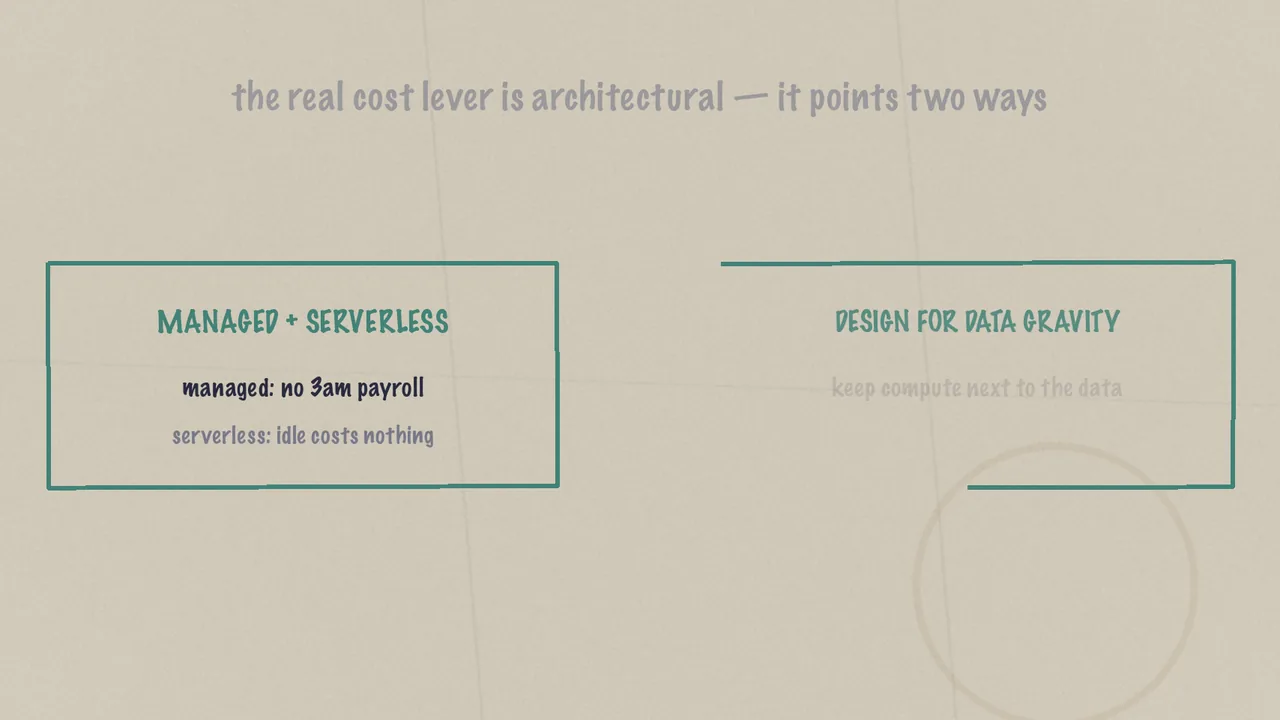
The last room of the principles arc. The biggest cost decisions are not line items you trim later, they are baked into the shape of the architecture, and they point two ways.
13 posts
The last room of the principles arc. The biggest cost decisions are not line items you trim later, they are baked into the shape of the architecture, and they point two ways.
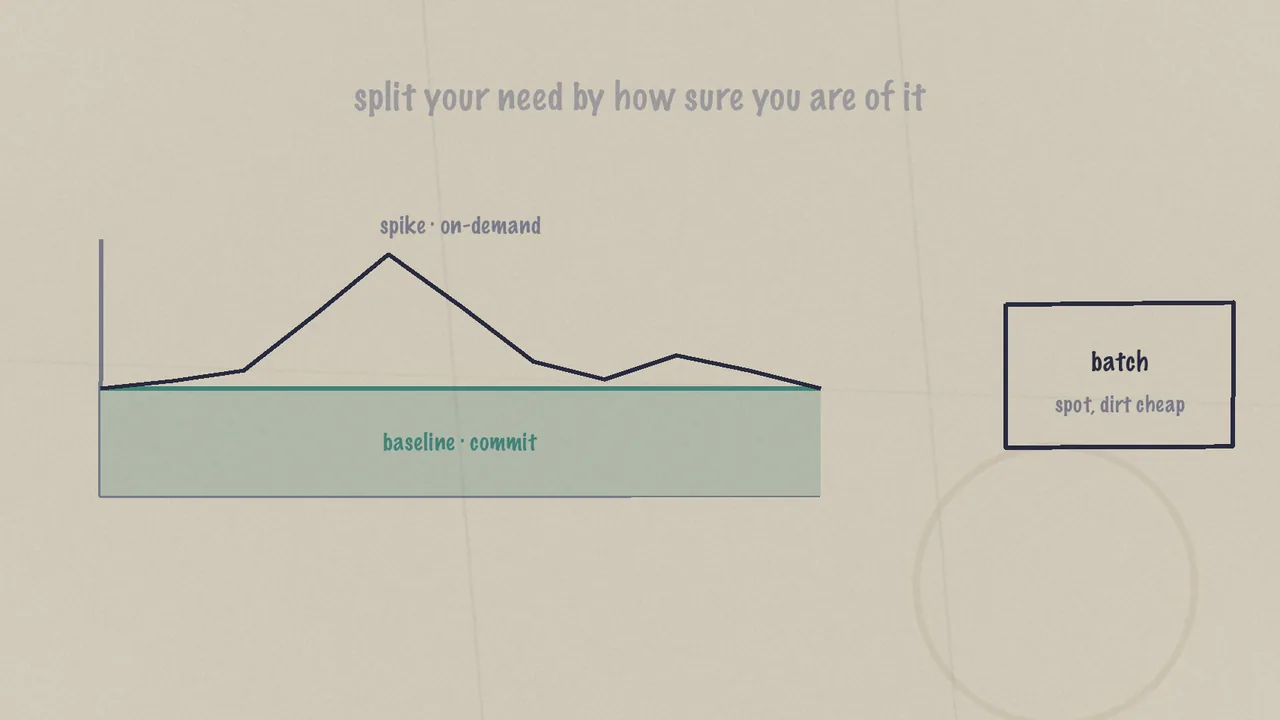
The cost movement continues. The Promise is how you pay less for the load you can count on. The Shelf is how you pay less for what you store, and the bet hidden in every cheaper shelf.
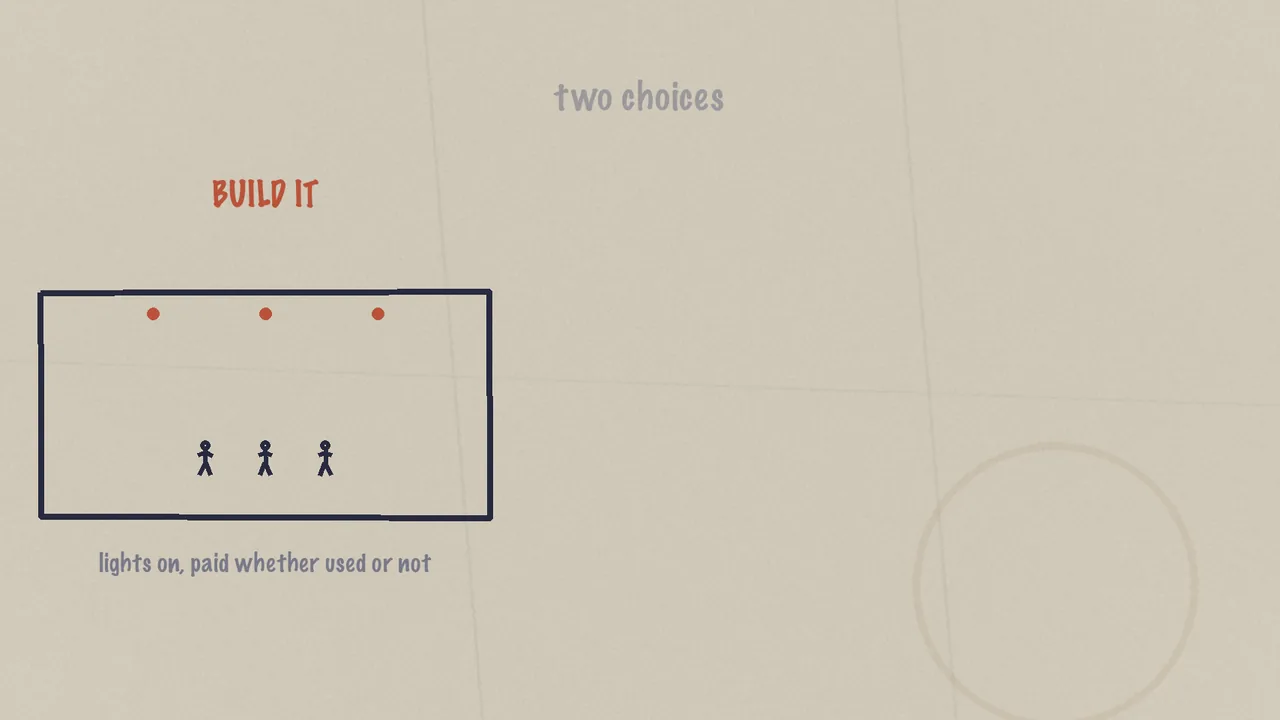
The cost movement of Learning Maps opens. The Ballroom is the core flip of the whole cloud: you stop owning capacity for your peak and start renting it for your need.
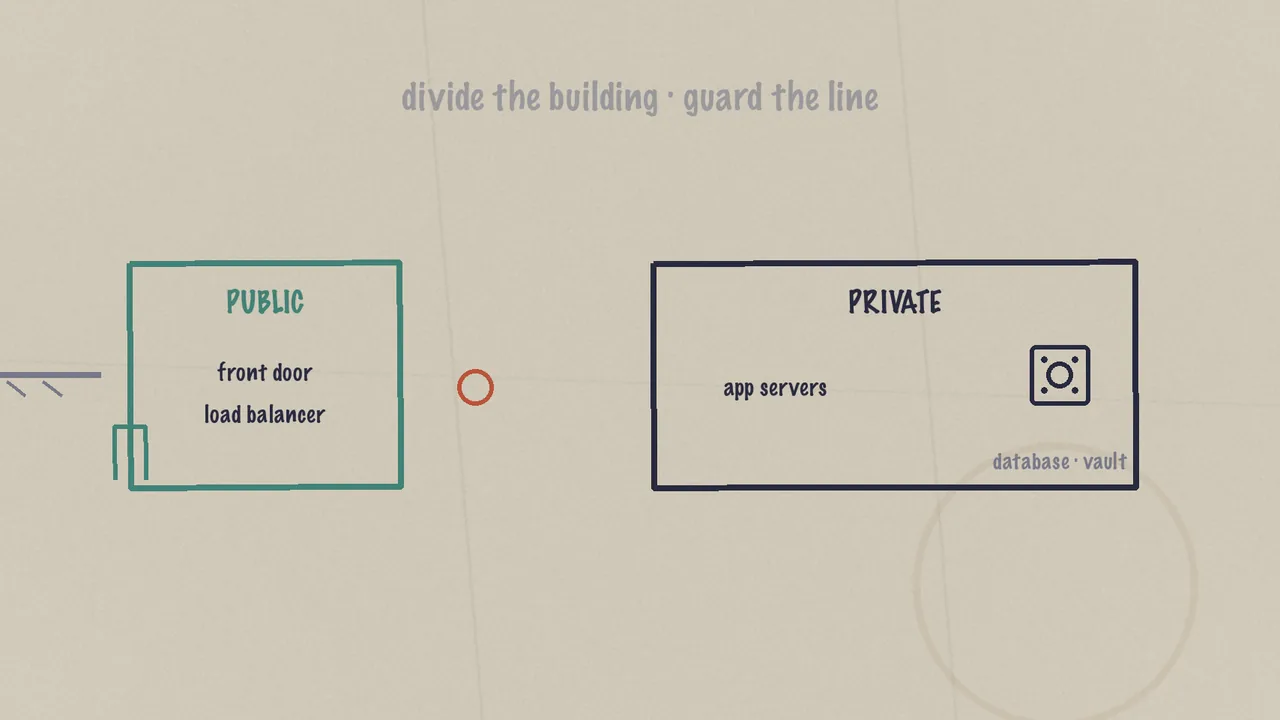
The security wing closes. The Lobby is about what should even be reachable in the first place. The Cipher is the last line, where the data itself is useless to a thief without the key.
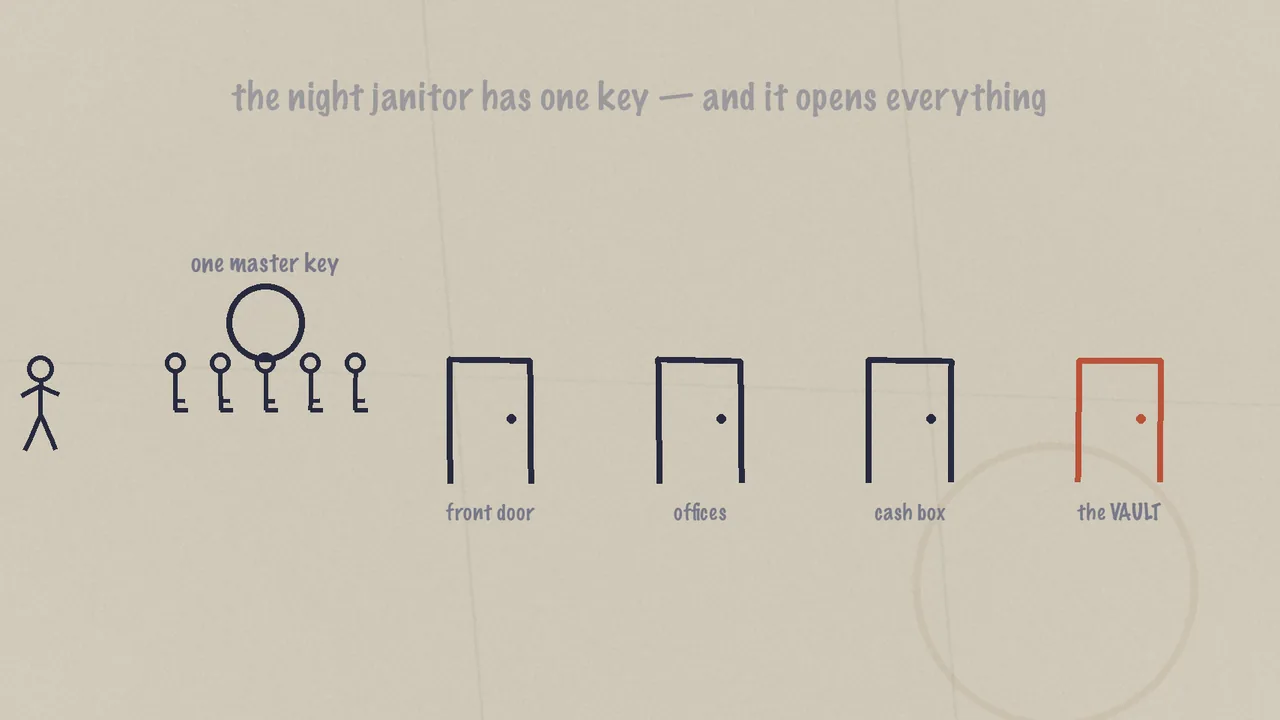
The security wing of Learning Maps opens. The Keyring is how you stop handing out master keys. The Gauntlet is why one lock is never enough, and how to stack locks that fail for different reasons.
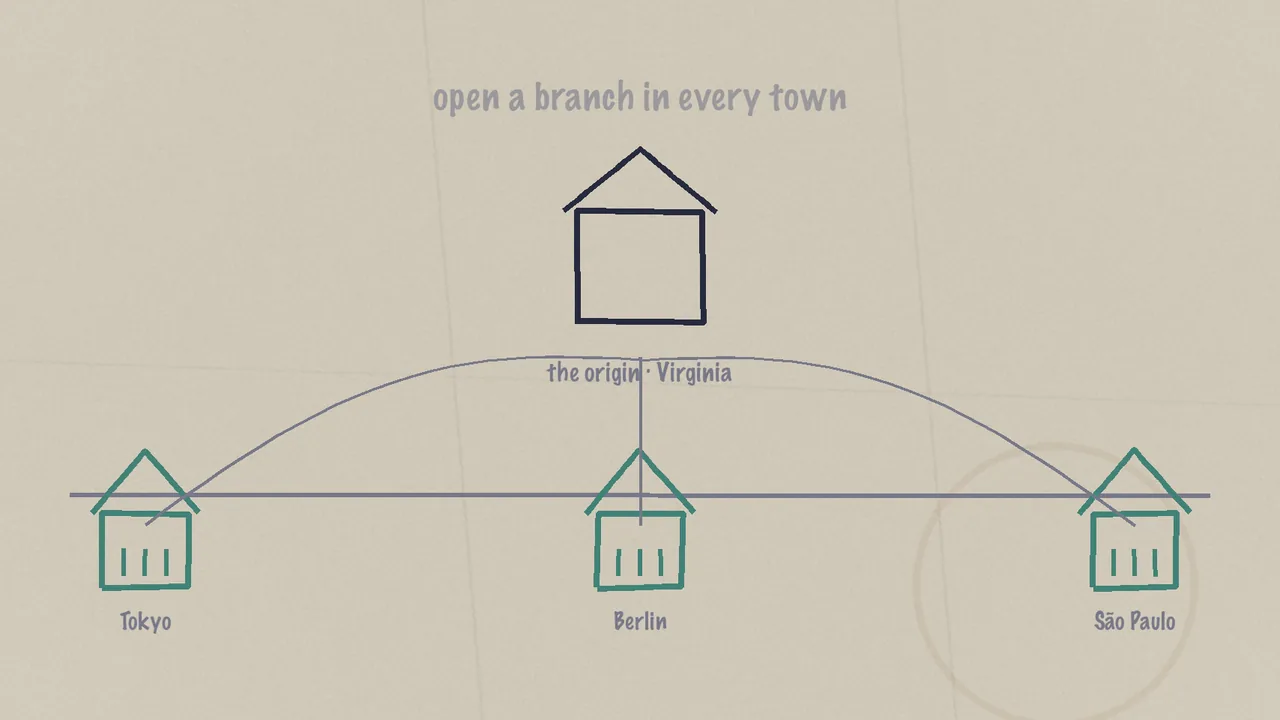
The room about beating distance. A CDN opens a branch in every town so the answer is already next door, and it closes the systems-talking wing of Learning Maps.
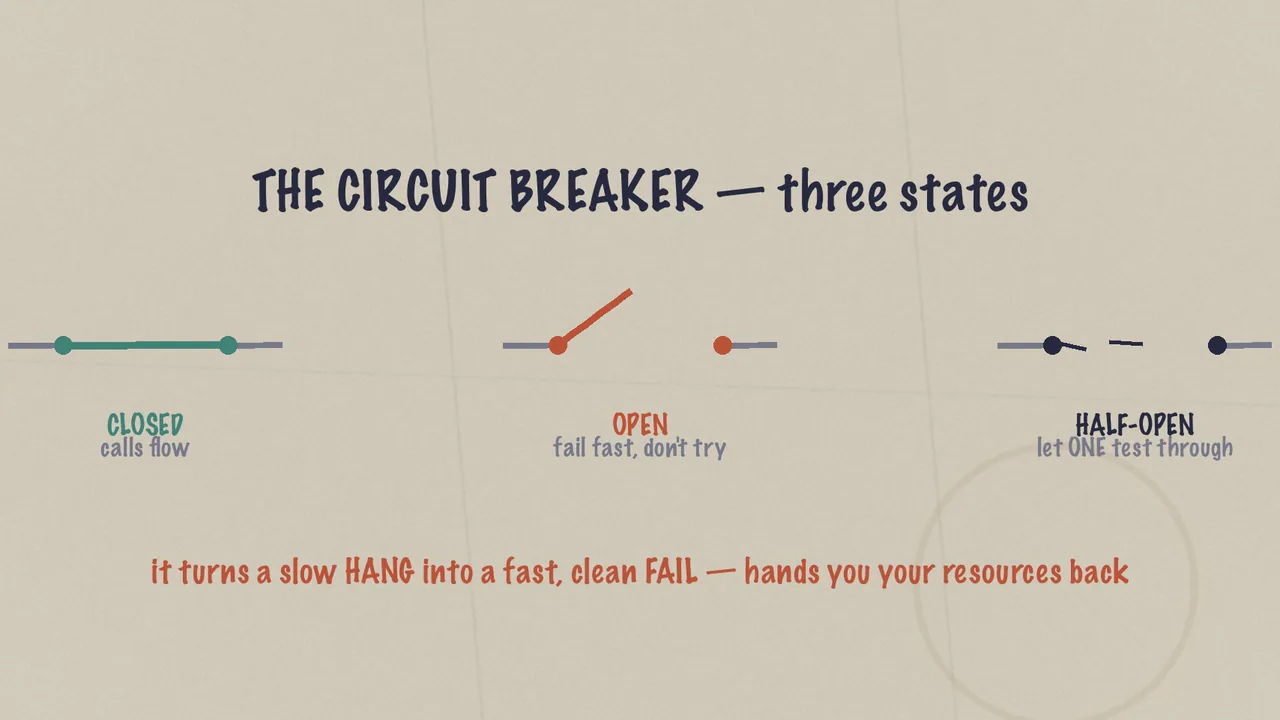
Two short films on how a system takes a punch. The Breaker is how you stop one slow dependency from dragging the whole desk down. The Allowance is how you keep one greedy caller from eating the counter.
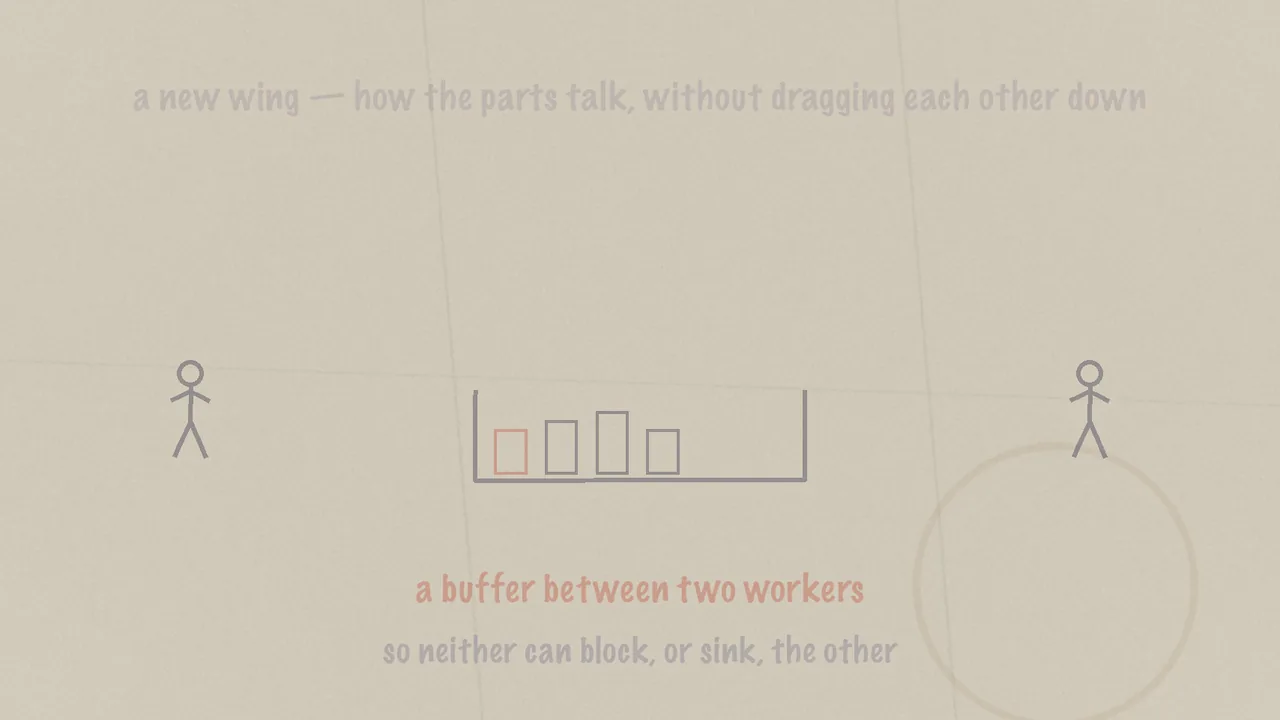
Two short films that open the services-talking arc of Learning Maps. The Book Drop is how one part of a system hands work to another without waiting on it. The Greeter is how a crowd of requests gets spread across a fleet that can lose a machine and not miss a beat.
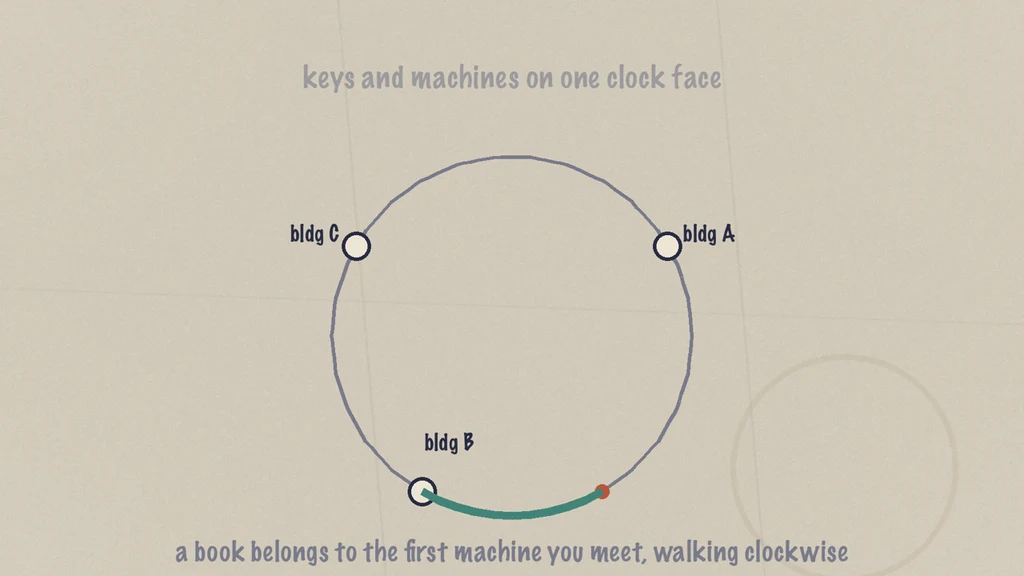
Two short films that open the coordination story of Learning Maps. The Vote is how a cluster of unreliable machines agrees on one leader and one truth. The Ring is how the pieces survive machines coming and going all day.
Six short films on what happens to data the moment it stops fitting on one machine: the forced choice, the dial, taste, the cache, the branch library, the shard. The first wing of Learning Maps, the durable principle under each rented AWS label.
Just Enough Agreement is Episode 3 of Learning Maps, a Napkin Films series that turns system design into story. Strong consistency is the expensive default, a cathedral when a sticky note would do. The skill is buying the cheapest guarantee the story actually needs: read your writes, monotonic reads, session consistency. Hand drawn on a napkin, narrated by two cloned voices, scored with a 14 Hz focus layer. CC BY 4.0.
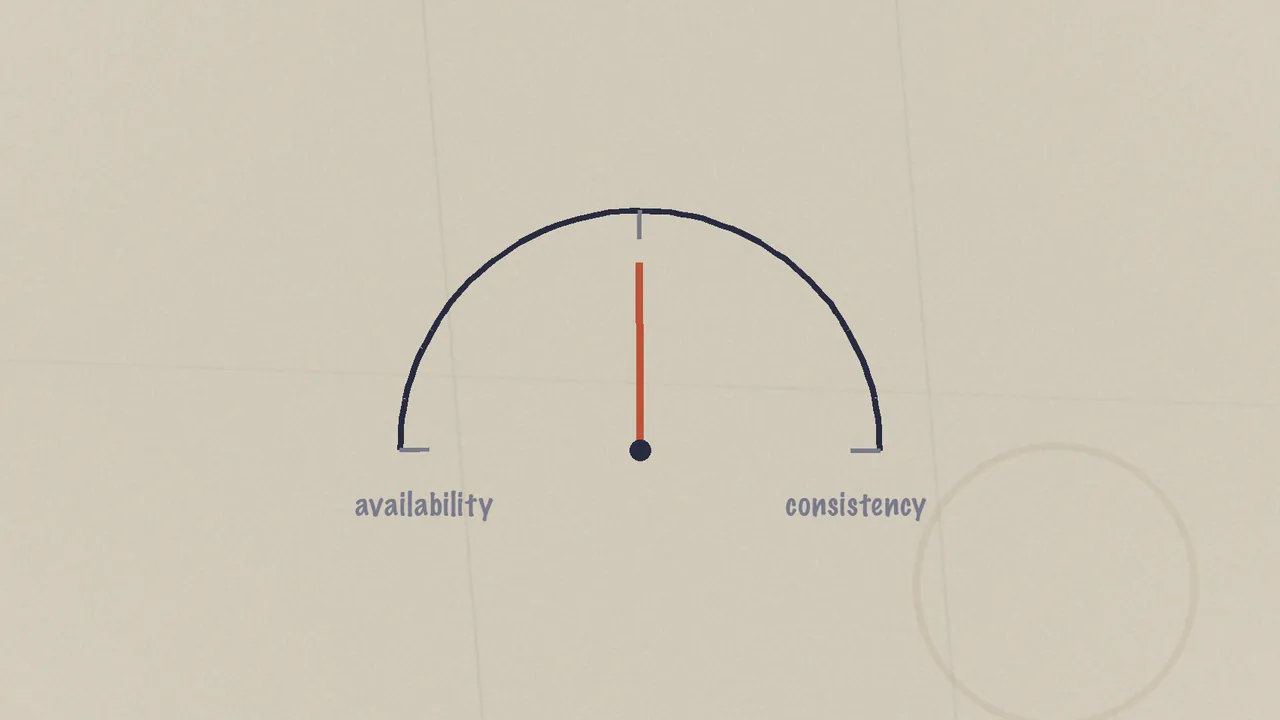
The Dial is Episode 2 of Learning Maps, a Napkin Films series that turns system design into story. Consistency is not on or off. It is a dial you set by counting: with N copies, when your reads plus your writes are greater than N, a read is forced to overlap a write and see the latest truth. Hand drawn on a napkin, narrated by two cloned voices, scored with a 14 Hz focus layer. CC BY 4.0.
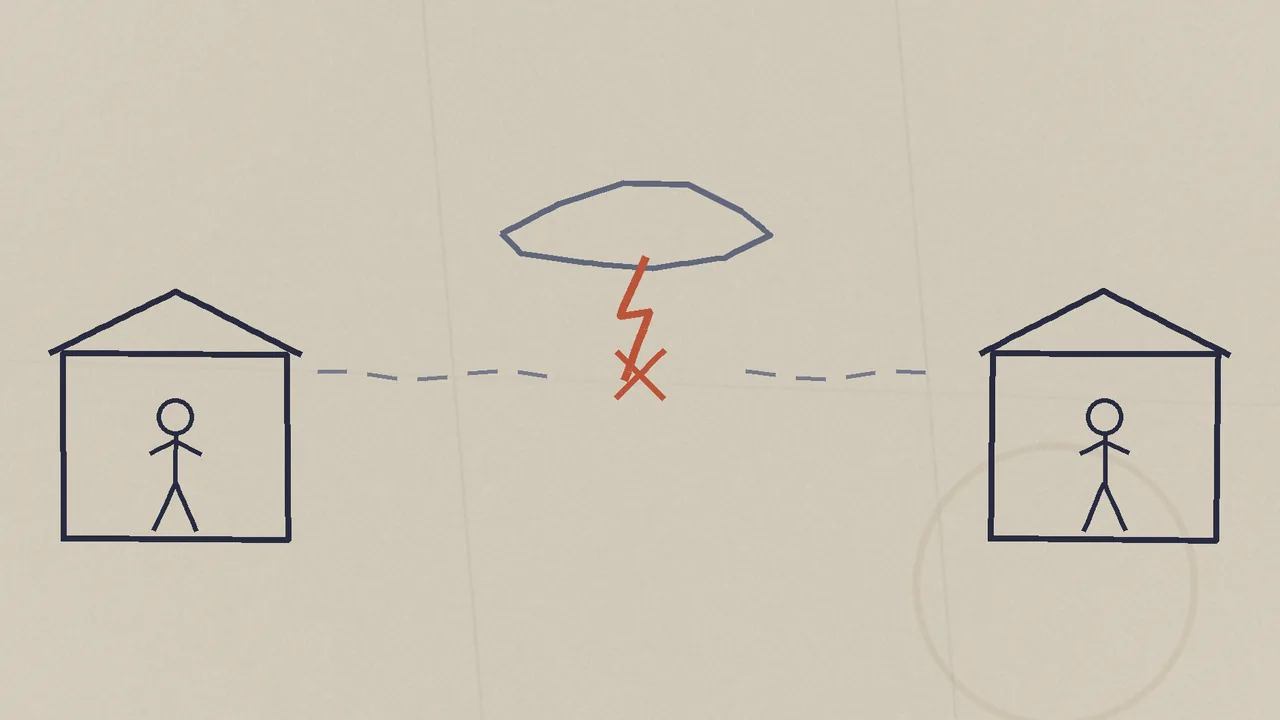
The Forced Choice is Episode 1 of Learning Maps, a new Napkin Films series that turns system design into story. A storm takes down the phone line between two librarians, and what happens next is the deepest fact in distributed systems: the CAP theorem, its twin PACELC, and the trade every database has already made. Hand drawn on a napkin, narrated by two cloned voices, scored with a 14 Hz focus layer. CC BY 4.0.